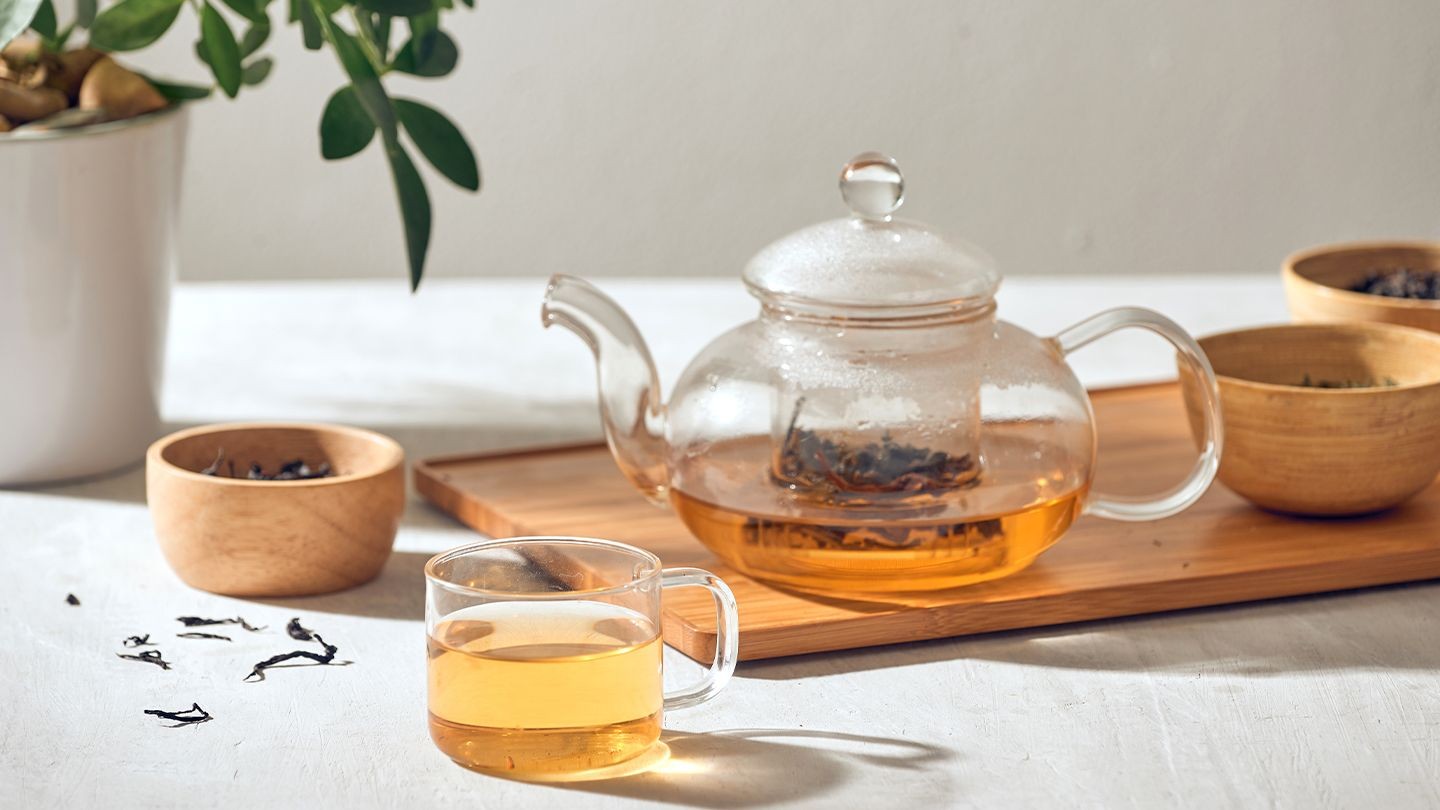
For centuries, tea has been more than just a beverage; it’s a cultural staple, a comfort ritual, and increasingly, a subject of scientific scrutiny. While many teas promise relaxation or energy, some hold real potential for heart health—and others may pose hidden risks. Research suggests that regular, unsweetened tea consumption (around three to five cups daily) can extend lifespan by over two years. However, how you drink your tea—the type, preparation, and even your individual health—matters immensely.
This guide breaks down the science behind eight popular teas, separating fact from hype and offering clear guidance for those seeking to support their cardiovascular well-being.
Black Tea: A Cardio-Protective Choice, With Caveats
Black tea, the most caffeinated variety, offers notable heart benefits due to its high concentration of polyphenols and flavonoids. These antioxidants improve blood vessel function, blood flow, and may even lower blood pressure and cholesterol. However, tannins in black tea can interfere with iron absorption, making it best consumed between meals rather than with them. High caffeine intake can also cause heart palpitations and high blood pressure in sensitive individuals. Pregnant people should limit intake to under 200mg of caffeine daily (around four cups) or avoid it altogether.
Crucially: Black tea can interact with certain medications, especially those for mental health. Consult your doctor if you’re taking prescriptions.
Green Tea: Lower Cholesterol, But Steeping Time Matters
Green tea, less processed than black tea, boasts even higher levels of epigallocatechin gallate (EGCG), an antioxidant linked to preventing atherosclerosis (plaque buildup in arteries). Studies show habitual green tea drinkers have lower cardiovascular disease risk.
However: Green tea still contains caffeine, though typically less than black tea. Steeping time dictates caffeine levels: longer steeping means more caffeine. Like black tea, it may interact with blood thinners such as warfarin, so check with your physician first.
White Tea: Cancer-Fighting, But Limited Heart Benefits
Harvested from young buds, white tea has the most potent anti-cancer properties among processed teas due to its high catechin content. Despite antioxidant effects, direct research linking white tea to heart health is limited. It’s not a bad choice, but it doesn’t offer the same well-documented benefits as black or green tea.
Oolong Tea: Promising, But More Research Needed
Oolong tea, somewhere between green and black in processing, shows potential for lowering cholesterol and protecting teeth and bones. However, long-term clinical studies are lacking. Some vendors exaggerate weight loss claims, which are unsubstantiated. It may also interact with blood thinners, so caution is advised.
Chamomile Tea: Sleep Aid, But Proceed Carefully
Chamomile’s flavonoids promote relaxation and sleep, indirectly supporting heart health by reducing stress. However, it can thin blood and should be avoided before surgery. People with coronary artery stents or on blood thinners (aspirin, warfarin) must consult their doctor first.
Ginseng Tea: Safer Than Supplements, But Still Limited Evidence
Asian ginseng has been used in traditional medicine for centuries, promising increased energy and improved circulation. While some research suggests cardiovascular benefits, the evidence is inconclusive. Ginseng tea is safer than unregulated ginseng capsules, but always check with your doctor if taking blood thinners.
St. John’s Wort Tea: High Risk, Avoid If Taking Heart Meds
St. John’s wort can reduce the effectiveness of vital heart medications like digoxin and ivabradine. Interactions can be life-threatening. The FDA has not officially evaluated it for safety or efficacy, making it a highly risky choice.
Recommendation: Skip this tea entirely if you have heart conditions or take related medications.
Rooibos (Red Tea): Potential, But More Studies Needed
Rooibos, caffeine-free and rich in flavonoids, shows promise in cancer prevention. Research on its heart benefits is limited but ongoing. It’s a safe addition to a balanced tea regimen, but don’t rely on it as a primary heart-health solution.
The Latte Trap: Fancy Teas Don’t Equal Heart Health
Fancy tea lattes loaded with sugar, calories, and carbs negate any potential benefits. Stick to plain, unsweetened tea for optimal results. Studies prove that adding sugar eliminates the heart-healthy effects.
In conclusion: Black and green tea, consumed without sweeteners, offer the most robust evidence for heart health. While other teas may provide minor benefits, moderation, informed choices, and consulting your doctor before introducing new teas into your diet are crucial.
Editorial Sources: All findings are based on peer-reviewed studies, expert opinions, and institutional research as cited in the original text.