Consuming enough fiber is one of the most straightforward ways to protect your cardiovascular health. From lowering blood pressure to managing cholesterol, high-fiber foods offer significant benefits. This guide breaks down ten of the best options, detailing how they support a healthier heart and how to easily incorporate them into your diet.
Why Fiber Matters for Your Heart
Fiber isn’t just about digestion; it actively impacts heart health in several ways. Soluble fiber helps reduce LDL (“bad”) cholesterol by interfering with its absorption. Insoluble fiber supports weight management, which is critical because obesity is a major risk factor for heart disease. Potassium-rich fiber sources help regulate blood pressure, counteracting the effects of sodium. These combined benefits make a fiber-rich diet a cornerstone of cardiovascular care.
The Top 10 Heart-Healthy, High-Fiber Foods
Here’s a breakdown of ten foods, ranked by fiber content and effectiveness, along with serving sizes for clarity:
-
Lentils (15.6g fiber/cup cooked): These legumes lead the pack. Their soluble fiber aggressively lowers cholesterol, while their protein content stabilizes blood sugar. Studies show that diets high in plant protein, like lentils, are linked to a 29% lower risk of coronary heart disease death.
-
Kidney Beans (13.1g fiber/cup cooked): Another powerhouse of soluble fiber, kidney beans can reduce total and LDL cholesterol by up to 10 points with consistent consumption (5-10g daily). They’re also a good source of potassium, which regulates blood pressure.
-
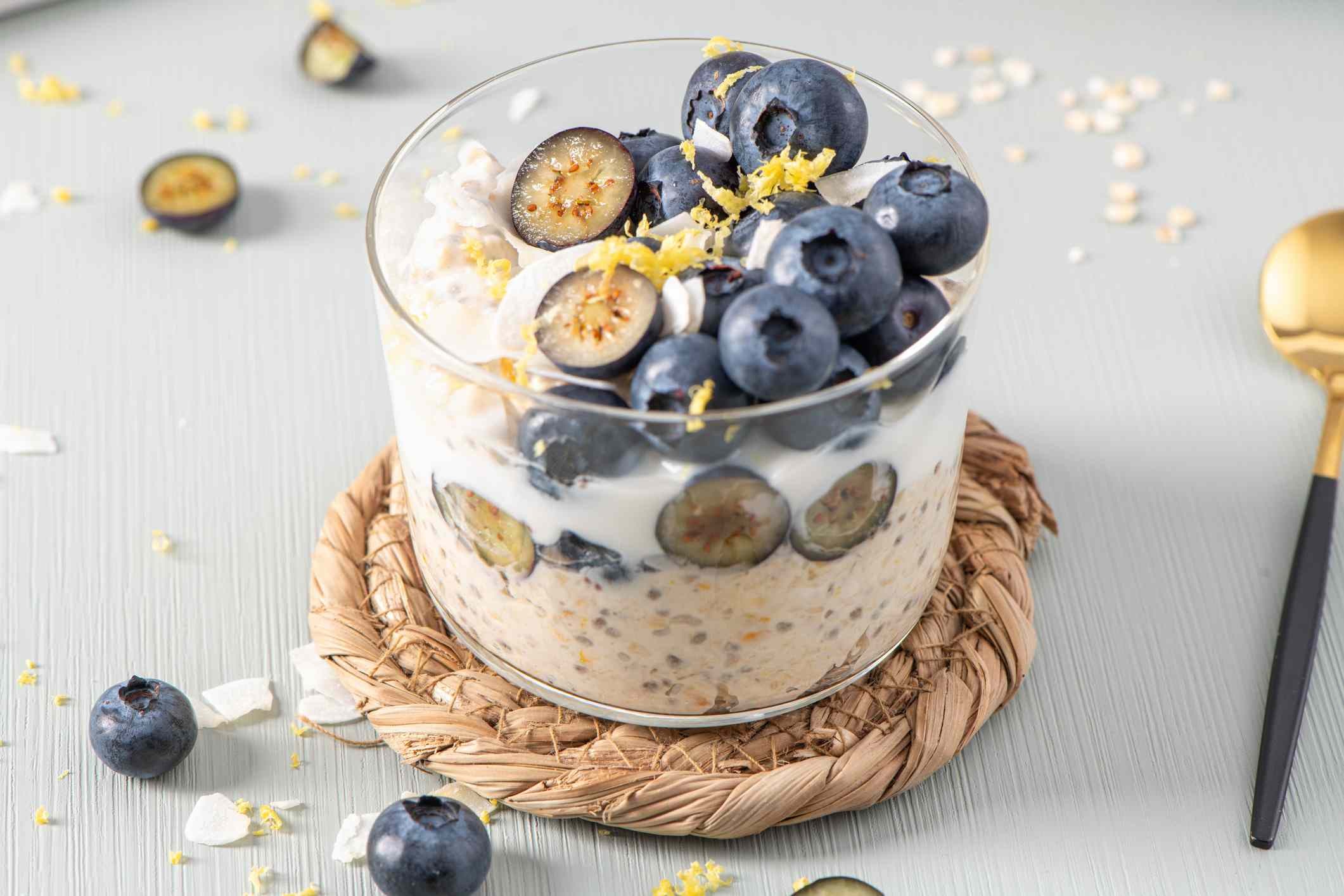
Chia Seeds (9.8g fiber/1oz): Beyond fiber, chia seeds offer ALA (omega-3), reducing inflammation and improving cholesterol. Adding them to smoothies or oatmeal is an effortless boost.
-
Avocados (9.7g fiber/cup sliced): Unique for their combination of fiber and monounsaturated fats, avocados improve HDL (“good”) cholesterol while supporting overall heart function. People who consume at least two servings weekly see a 16% reduction in cardiovascular disease risk.
-
Raspberries (8g fiber/cup): One of the highest-fiber fruits, raspberries are also packed with antioxidants protecting cells from damage. They’re lower in sugar than many fruits, making them a smart choice.
-
Oats (8g fiber/cup raw): Beta-glucan, a soluble fiber in oats, reduces LDL cholesterol absorption. Studies show that even two days of oatmeal-focused eating can lower LDL by 10% for up to six weeks.
-
Quinoa (5.8g fiber/cup cooked): This whole grain delivers fiber and plant-based protein, iron, and magnesium. Choosing quinoa over refined grains improves heart health outcomes and blood sugar control.
-
Cruciferous Vegetables (6.6g fiber/cup broccoli): Broccoli, Brussels sprouts, and similar vegetables are rich in fiber, antioxidants, vitamins, and minerals. Studies show they can reduce systolic blood pressure with consistent intake.
-
Apples (4.4g fiber/medium with skin): Pectin, a soluble fiber in apples, lowers LDL cholesterol and promotes gut health. Eating the skin maximizes benefits.
-
Nuts (3.4g fiber/oz almonds): Healthy fats, fiber, and protein in nuts support heart health. Replacing red meat with nuts reduces the risk of heart-related death.
Small Changes, Big Impact: How to Incorporate Fiber
Improving your heart health doesn’t require drastic changes. Start small: add chia seeds to your breakfast, swap white rice for quinoa, or snack on almonds instead of processed foods. Consistency is key. Gradually increasing fiber intake ensures your body adjusts comfortably and you reap the long-term cardiovascular benefits.
Prioritizing fiber-rich foods isn’t just about ticking off nutritional boxes; it’s about proactively investing in a healthier, longer life. By making these simple dietary shifts, you’re taking a powerful step toward protecting the most vital organ in your body.