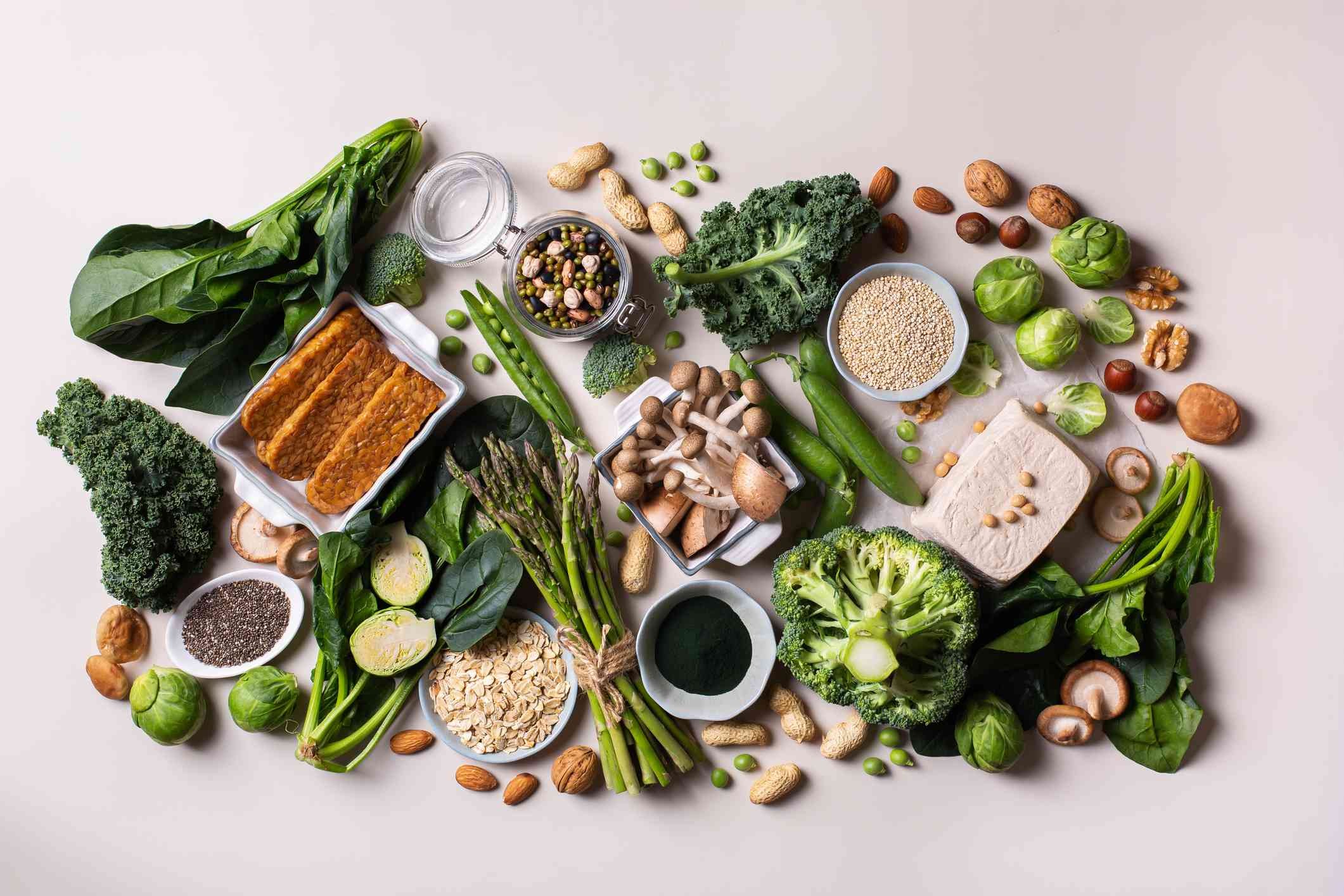
Many people associate protein primarily with meat, eggs, and dairy. However, a wide range of vegetables can significantly contribute to your daily protein intake – alongside essential nutrients like fiber, vitamins, and minerals. Incorporating these plant-based proteins is vital for muscle maintenance, immune function, and overall health. This is especially important for those following vegetarian or vegan diets, but benefits anyone looking to diversify their nutritional sources.
The Power of Plant-Based Protein
Plant proteins are often lower in saturated fat and cholesterol than animal proteins, and many are packed with antioxidants and fiber. The key is variety: no single vegetable provides all essential amino acids, so combining different sources ensures a complete protein profile.
Top 15 High-Protein Vegetables
Here’s a breakdown of 15 vegetables that pack a protein punch, along with how to best utilize them:
Legumes: The Protein Powerhouses
- Edamame (18g protein/cup): These young soybeans are a complete protein source, offering fiber, iron, and potassium. Enjoy them steamed as a snack or added to salads and stir-fries.
- Lentils (18g protein/cup): Lentils are nutrient-dense and incredibly versatile. Use them in soups, stews, or as a ground meat substitute in dishes like shepherd’s pie.
- Split Peas (16g protein/cup): Another legume staple, split peas excel in soups and casseroles due to their creamy texture.
- Black Beans (15.2g protein/cup): Rich in fiber and antioxidants, black beans are perfect in tacos, chili, or simply as a side dish. Their dark pigment comes from anthocyanins, which are linked to heart health.
- Lima Beans (14.7g protein/cup): Also known as butter beans, lima beans have a creamy texture that makes them ideal for soups and salads. They’re high in copper and manganese.
- Chickpeas (14.5g protein/cup): Affordable and nutritious, chickpeas (garbanzo beans) are a staple in Middle Eastern and Mediterranean cuisine. Mash them into hummus or roast them for a crunchy snack.
- Fava Beans (13g protein/cup): These broad beans are less common but equally nutritious, offering fiber, folate, and magnesium. They can be eaten raw or cooked.
Beyond Legumes: Unexpected Protein Sources
- Artichoke Hearts (10g protein/cup): Surprisingly high in protein and fiber, artichoke hearts are delicious roasted, boiled, or added to pasta dishes.
- Spinach (6g protein/cup): A leafy green powerhouse, spinach delivers antioxidants, vitamins, and minerals, including bone-boosting vitamin K. Sautéed or raw, it’s a versatile addition to any meal.
- Sweet Corn (5g protein/cup): While often thought of as a starch, corn provides a decent protein boost alongside fiber. Enjoy it grilled, boiled, or in casseroles.
- Asparagus (4.3g protein/cup): Packed with vitamins C and K, asparagus is best enjoyed lightly cooked—sautéed, roasted, or steamed.
- Brussels Sprouts (4g protein/cup): These mini cabbages are rich in vitamin C, which aids iron absorption from plant sources. Roast them until crispy or shave them raw into salads.
- Broccoli (4g protein/medium stalk): Another cruciferous vegetable with significant health benefits, broccoli contains glucosinolates—compounds linked to anti-inflammatory effects.
- Sweet Potatoes (2.1g protein/cup): These starches offer a small protein boost alongside fiber, iron, and potassium. Baked, mashed, or roasted, they’re a filling side dish.
- Potatoes (1.5g protein/cup): Often overlooked, potatoes provide a modest protein amount along with vitamin C, potassium, and other essential nutrients.
Prioritizing plant-based proteins doesn’t require drastic changes; simple swaps and additions can make a big difference. By incorporating these vegetables into your diet, you can support muscle health, boost nutrient intake, and improve overall well-being.