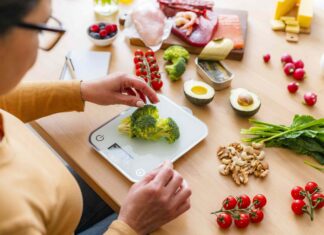
Constipation is a common issue, but often preventable. The key isn’t avoiding specific foods entirely, but rather understanding how fiber impacts digestion. Most Americans consume only half the recommended daily fiber intake (25-38 grams), creating a digestive imbalance. This imbalance leads to constipation.
What Causes Constipation?
The problem isn’t usually one single food, but a fiber-deficient diet overall. Several common foods exacerbate the issue due to their low fiber content or binding properties. Here’s a breakdown of the worst offenders:
1. Dairy Products: While not universally problematic, cheese, ice cream, and milk can contribute to constipation due to their high calcium content and lack of fiber. Lactose intolerance can further worsen digestive discomfort. Fermented dairy like yogurt and kefir, however, contain probiotics that can improve gut health.
2. Red Meat: High in protein and often fat, red meat takes longer to digest. More importantly, it provides zero fiber. Consuming red meat instead of fiber-rich foods like legumes worsens constipation. Pairing it with fiber (baked potato with skin, salad) is essential.
3. Fried Foods: French fries, donuts, and heavily breaded items slow digestion. This delays bowel movements and can lead to constipation, especially if they replace fiber-rich foods. Some people may experience looser bowels from greasy foods, but for many, it’s a recipe for digestive sluggishness.
4. Processed Snacks & Desserts: Chips, cookies, pastries – these are loaded with salt, sugar, and fat, while lacking fiber and water. Swapping these for water-rich fruits (watermelon, berries) or fiber-packed snacks (whole-grain crackers) can provide relief.
5. Refined Carbs: White bread, white rice, and many pastries are stripped of fiber during processing. Replacing these with whole-wheat bread and brown rice is a simple step toward better digestion. Gluten sensitivity or conditions like celiac disease can also cause constipation.
6. Frozen Dinners: Convenient but often nutritionally poor, frozen dinners are typically high in salt, fat, and preservatives – none of which help digestion. Frozen fruits and vegetables are a better option, offering fiber without the downsides.
7. Bananas (Unripe): Surprisingly, unripe (green) bananas can cause constipation due to their resistant starch content. Ripe bananas, however, contain soluble fiber that aids digestion.
Beyond Food: Other Factors
While diet is key, dehydration (including from alcohol consumption) can worsen constipation. Ensuring adequate water intake is crucial.
The Bottom Line
Constipation is largely preventable through a high-fiber diet. Prioritizing fruits, vegetables, whole grains, and legumes is the most effective strategy. Pay attention to how your body reacts to different foods, and adjust accordingly. If symptoms persist, consult a healthcare professional.