Diet significantly impacts prostate health, and certain foods can either support or undermine it. While no single food causes prostate issues, excessive consumption of sugar, saturated fats, salt, processed meats, spicy foods, alcohol, caffeine, and dairy may negatively affect prostate function and even cancer risk. Understanding these connections is crucial, especially as prostate health issues become more prevalent with age.
The Impact of Sugar and Processed Foods
Excessive sugar intake is linked to increased prostate cancer risk. Studies show that high consumption of sugar-sweetened beverages (SSBs) – including soda, sweetened fruit drinks, and energy drinks – raises the probability of developing the disease by up to 21%. This isn’t just about calories; added sugars disrupt metabolic processes, potentially fueling cancer growth.
Examples of high-sugar foods include candies, pastries, sweetened cereals, and flavored dairy products.
Red and Processed Meats: A Cautionary Note
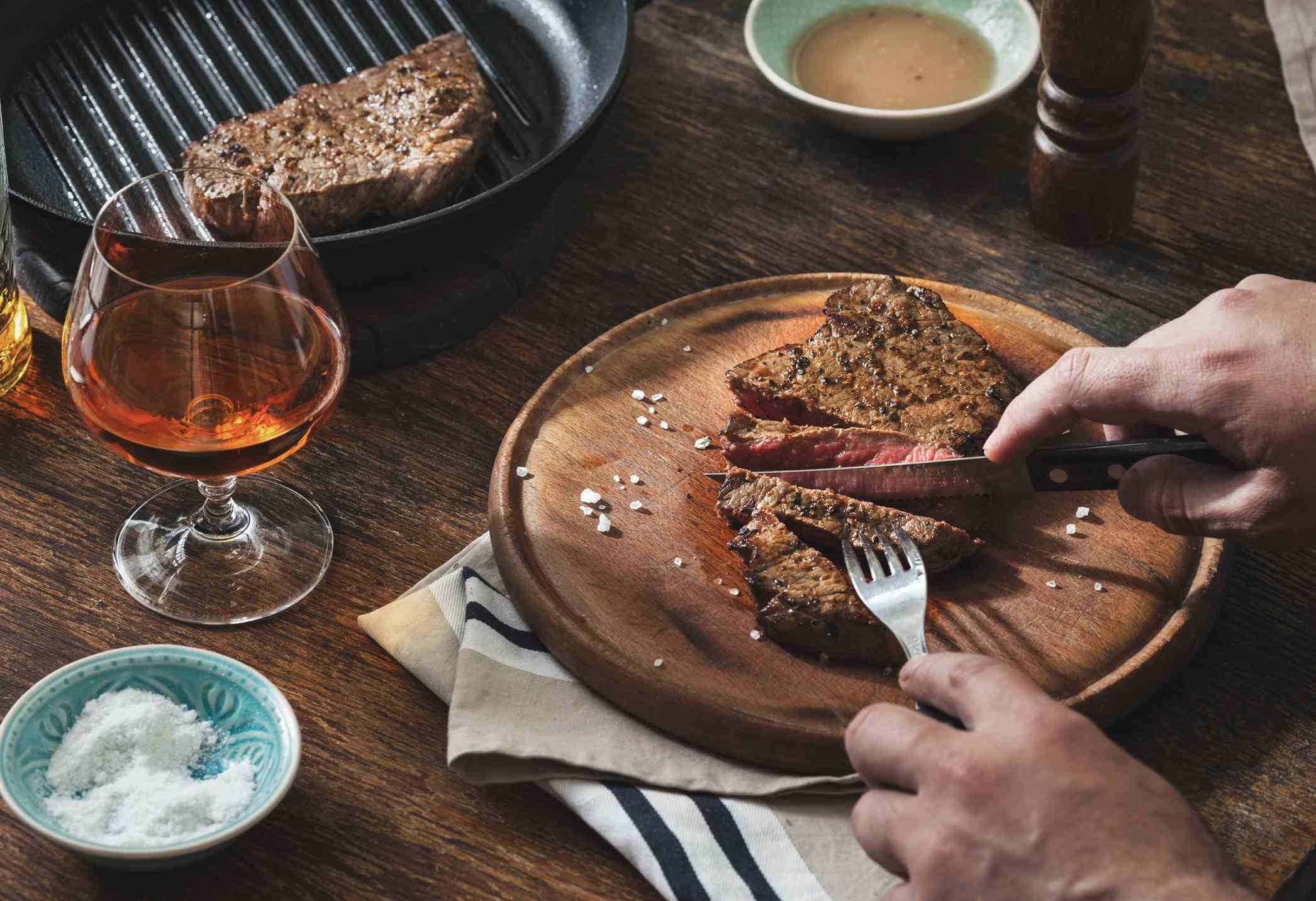
Regular consumption of red and processed meats (bacon, sausages, deli meats) increases cancer risk. Cooking meat at high temperatures creates harmful compounds that may contribute to cancer development. Research suggests a 6% higher chance of prostate cancer for those with high processed meat intake, increasing by 4% for every 50 extra grams consumed.
Poultry and fish are healthier alternatives.
Spicy Foods and Prostate Irritation
Spicy foods can exacerbate prostate symptoms in individuals with pre-existing conditions. Ingredients like chili peppers, jalapeños, and hot sauces may irritate the urinary tract, leading to painful urination or difficulty voiding. This isn’t a universal effect, but those experiencing prostate-related discomfort should moderate their intake.
The Role of Fats: Saturated vs. Trans
High intake of saturated and trans fats may contribute to inflammation and hormone imbalances. While research is mixed, some studies suggest a 51% higher risk of aggressive prostate cancer in those consuming high levels of saturated fat. Trans fats, found in fried foods and packaged snacks, are equally problematic, disrupting metabolic processes.
Healthier fat sources include olive oil, avocados, and nuts.
Sodium and Urinary Problems
High-sodium diets worsen prostate symptoms. Studies show that people consuming excessive salt experience increased urinary problems, difficulty urinating, and nighttime bathroom trips. Processed foods, canned soups, and salty snacks are major contributors.
Caffeine and Diuretic Effects
Caffeine acts as a diuretic, increasing urination frequency. This may be problematic for individuals with prostate conditions causing urinary difficulties. Moderating coffee, energy drinks, and certain teas can help manage these symptoms.
Decaffeinated alternatives or herbal teas (chamomile, peppermint) are safer options.
Alcohol and Cancer Risk
Alcohol consumption may increase the risk of prostate cancer. The relationship is dose-dependent; higher intake correlates with a greater risk. Limiting alcohol consumption is advised, particularly for those with family history or existing prostate concerns.
Dairy and Conflicting Evidence
The link between dairy and prostate cancer is unclear. Some studies suggest a correlation between high dairy intake (milk, cheese, yogurt) and increased risk, while others show no association. Consuming 400 grams daily may increase risk by 2%, but smaller amounts (100 ml of whole milk) may even show a slight protective effect. Further research is needed to clarify this relationship.
Ultimately, prioritizing a balanced diet rich in antioxidants, healthy fats, and fiber – such as the Mediterranean diet – is the most effective approach to prostate health. The Western diet, high in sugar, saturated fats, and salt, significantly increases risk.
Adopting these dietary changes can help reduce the likelihood of prostate issues and support overall well-being.