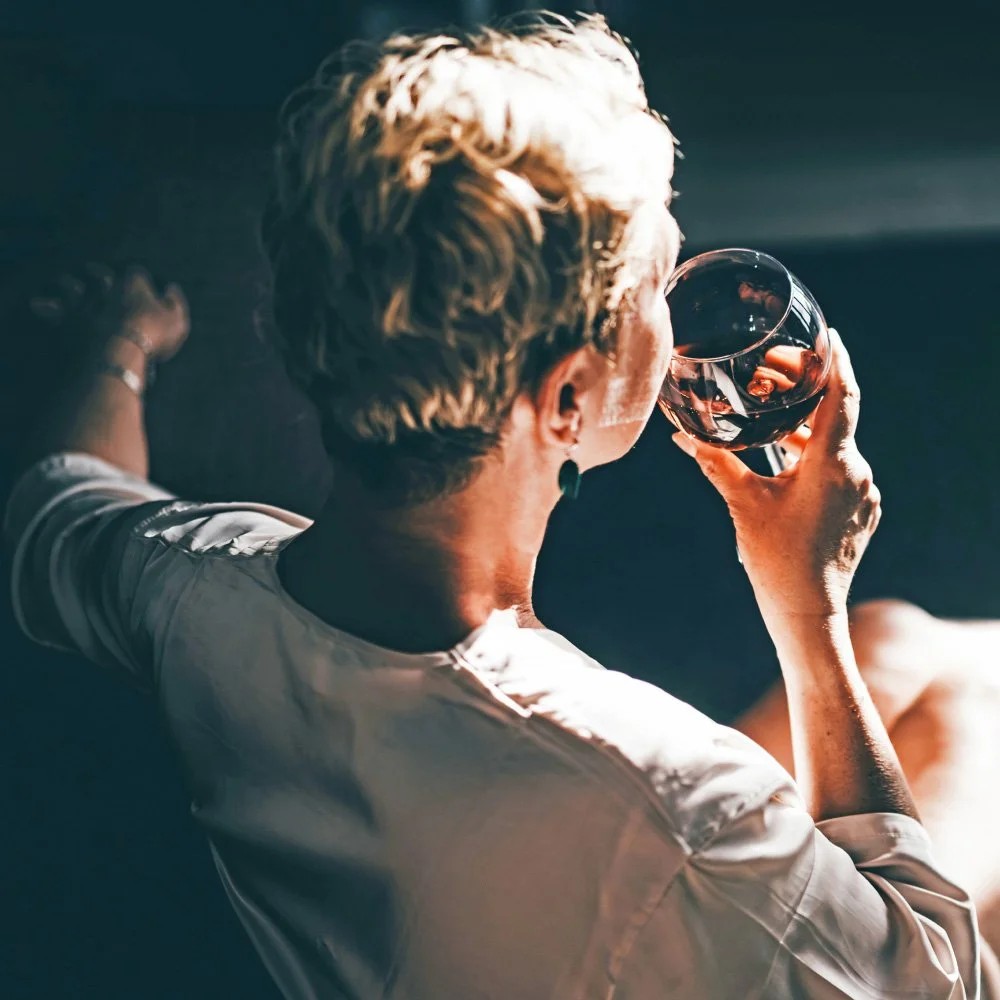
Many people turn to alcohol to cope with anxiety, but this approach often backfires. While a drink might temporarily ease tension, it ultimately exacerbates the problem, creating a vicious cycle. This article explains why alcohol and anxiety are so intertwined, whether it truly helps, and provides six actionable steps to break free from reliance on alcohol as a coping mechanism.
The Short-Term Relief, Long-Term Problem
When stress hits hard – whether it’s work pressure, relationship conflicts, or social dread – a drink can seem like the perfect escape. Alcohol initially relaxes the body and slows racing thoughts, triggering the release of calming brain chemicals. This is why a glass of wine at a stressful event or after a difficult day often feels like a relief.
However, this relief is fleeting. As alcohol metabolizes, the brain struggles to regain balance, leading to rebound effects: heightened stress hormones, disrupted sleep, and increased excitability. For individuals prone to anxiety, this post-alcohol crash can feel disproportionately intense. Worse, repeated cycles reinforce the association between alcohol and coping, making anxiety harder to manage without it.
Does Alcohol Actually Relieve Anxiety?
In the short term, yes. Alcohol lowers inhibitions and triggers chemical shifts that induce relaxation. It’s a common social lubricant, making awkward or nerve-wracking situations more bearable. However, this relief is deceptive. Once the effects wear off, anxiety often returns stronger, sometimes manifesting as irritability, restlessness, or dread – the phenomenon known as “hangxiety.”
Over time, the brain adapts to alcohol’s presence. This means that you may need more alcohol to achieve the same calming effect, increasing dependence and making anxiety harder to control without it. While alcohol may temporarily quiet anxiety, it ultimately increases vulnerability in the long run.
Six Ways to Break the Cycle: Coping Without Alcohol
If you’re ready to step away from alcohol as a coping mechanism, here are six practical strategies to get started:
-
Experiment with One Alcohol-Free Night: Choose an upcoming event and skip alcohol entirely. Observe how you feel without it. Order a non-alcoholic alternative like sparkling water with lime, a mocktail, or non-alcoholic beer. Note your anxiety levels throughout the evening, sleep quality, and any shifts in mood.
-
Replace the Ritual: If drinking is your go-to way to unwind, find a healthier substitute. Take a warm shower, listen to calming music, read a book, or go for a walk. The goal is to recreate the soothing effect of alcohol without the negative consequences.
-
Master Anxiety Reset Techniques: Train your nervous system to calm down quickly. Practice box breathing (inhale for four, hold for four, exhale for four, hold for four) or cold water splashes to reset your body’s stress response. The 5-4-3-2-1 grounding technique (name five things you see, four you hear, etc.) can pull you out of spiraling thoughts.
-
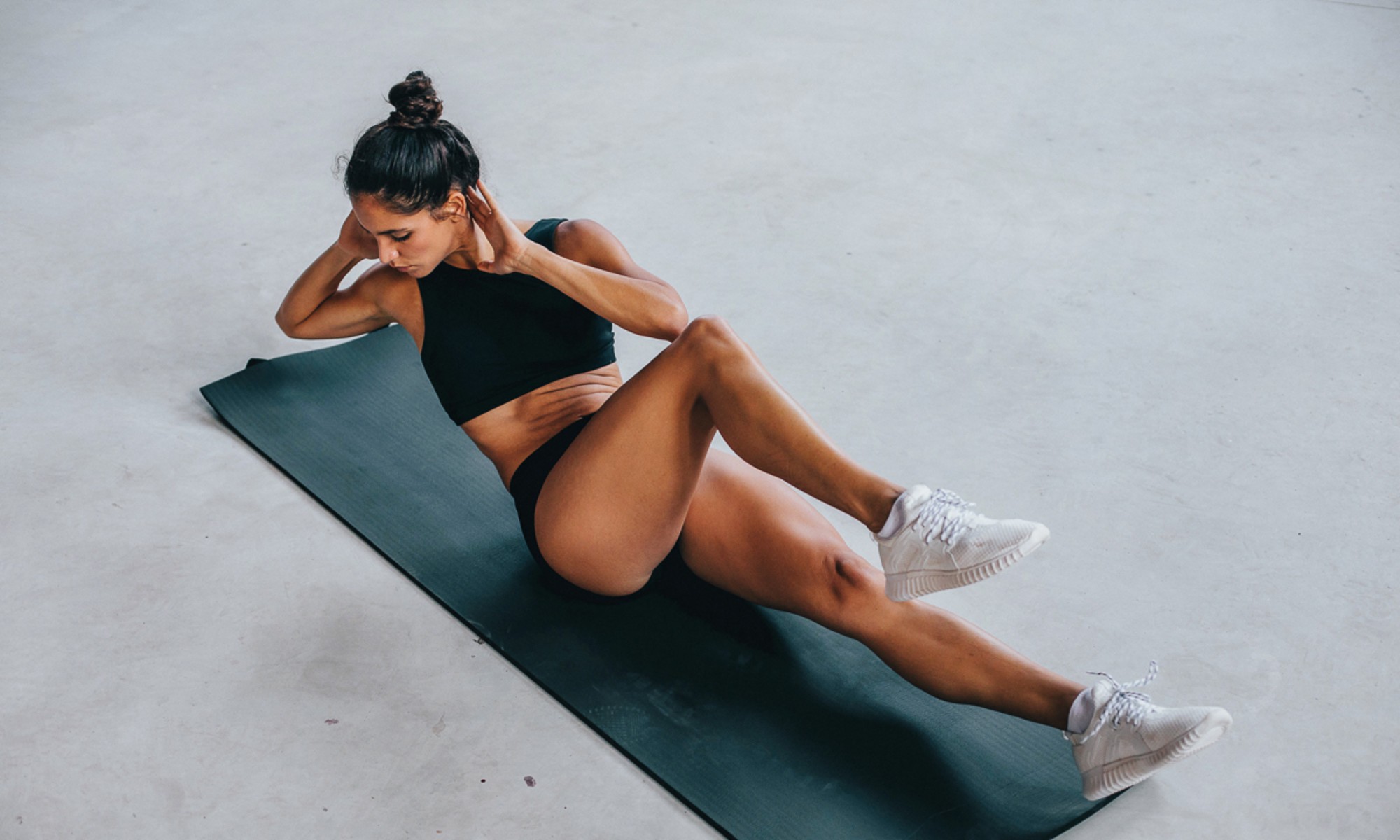
Move Your Body (Gently): Anxiety lives in the body as well as the mind. Physical activity can help release pent-up energy. Stretch, take a brisk walk, or dance to your favorite music before or during stressful situations.
-
Prioritize Sleep: Alcohol disrupts sleep quality, worsening anxiety the next day. Stick to a consistent bedtime, limit caffeine intake, and avoid screens before bed. If your mind races, write down your thoughts before sleeping.
-
Seek Support: Anxiety can isolate you. Reach out to friends, family, or a therapist. If alcohol is your primary coping mechanism and impacts your relationships or mental health, professional help can provide tools for healthier management.
Conclusion
Alcohol may offer temporary relief from anxiety, but it ultimately worsens the underlying problem. By understanding the cycle and adopting healthier coping strategies, you can break free from this trap and build a more sustainable path to emotional well-being. Small changes, consistent practice, and seeking support are key to lasting relief.