If you’ve been diagnosed with sleep apnea, your doctor likely suggested a CPAP (continuous positive airway pressure) machine. While highly effective at keeping your airway open, many people struggle with the mask, noise, or general discomfort. Fortunately, CPAP isn’t the only solution. Depending on the severity of your condition, several alternatives can help you breathe easier and sleep more comfortably.
Why CPAP Isn’t Always the Answer
CPAP machines work, but consistent use requires getting comfortable with a device worn every night. Common complaints include a bulky mask, air leaks, dry mouth, and a feeling of claustrophobia. While adjustments like different mask styles or humidifiers can help, some individuals prefer exploring other options.
The Most Effective CPAP Alternatives
Here’s a breakdown of the most common alternatives, and who they best suit:
1. Daytime Neuromuscular Therapy: Strengthening Your Airway
Instead of wearing something overnight, this newer approach strengthens airway muscles during the day. The FDA-cleared eXciteOSA device uses gentle electrical pulses to tone the tongue, preventing collapse during sleep. Users report improved sleep quality and more energy with just 20 minutes of daily use.
Best for: mild sleep apnea, snoring, or those who dislike nighttime devices.
2. Oral Appliances: The Mouthguard Solution
Custom-fitted oral appliances (also known as mandibular advancement devices) gently shift the lower jaw forward, preventing the tongue from blocking the airway. Similar to a retainer, they’re comfortable and effective for many.
Best for: mild to moderate sleep apnea, frequent travelers, or those uncomfortable with CPAP masks.
3. Positional Therapy: Side Sleeping for Better Breathing
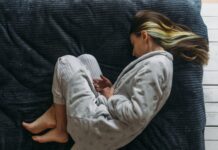
For some, sleep apnea worsens when sleeping on the back due to gravity collapsing the airway. Positional therapy trains you to sleep on your side, reducing breathing interruptions.
Best for: positional sleep apnea, where symptoms are worse when lying flat.
4. EPAP Devices: Subtle Nasal Resistance
EPAP (expiratory positive airway pressure) devices create gentle resistance when exhaling, preventing airway collapse. They’re small, sit inside the nostrils, and are more portable than CPAP machines.
Best for: mild sleep apnea, snoring, or those seeking a mask-free option.
5. Lifestyle Changes: Weight Loss and More
Excess weight (especially around the neck) can compress the airway. Weight loss, regular exercise, reduced alcohol intake, and avoiding sedatives can all improve sleep apnea symptoms.
6. Myofunctional Therapy: Tongue and Throat Exercises
This therapy involves targeted exercises to strengthen tongue, throat, and mouth muscles, improving airway stability.
Best for: mild sleep apnea, snoring, or those preferring non-device solutions.
7. Treating Nasal Blockages: Clear Airways First
Chronic nasal congestion can worsen sleep apnea. Medications, allergy treatments, or procedures to improve nasal airflow can provide relief.
Do Alternatives Really Work?
While CPAP remains the gold standard, alternatives like oral appliances, positional therapy, and neuromuscular therapy can improve breathing and sleep quality for the right candidates. Consistency is key. Finding a manageable solution ensures better long-term health.
Ultimately, the most effective approach depends on the individual. Consulting a sleep specialist is crucial to determine the best course of action.