For many, the word “ovaries” triggers an immediate mental connection to reproduction, pregnancy, or the “ticking clock” of fertility. However, viewing the ovaries solely through the lens of motherhood is a significant medical oversight.
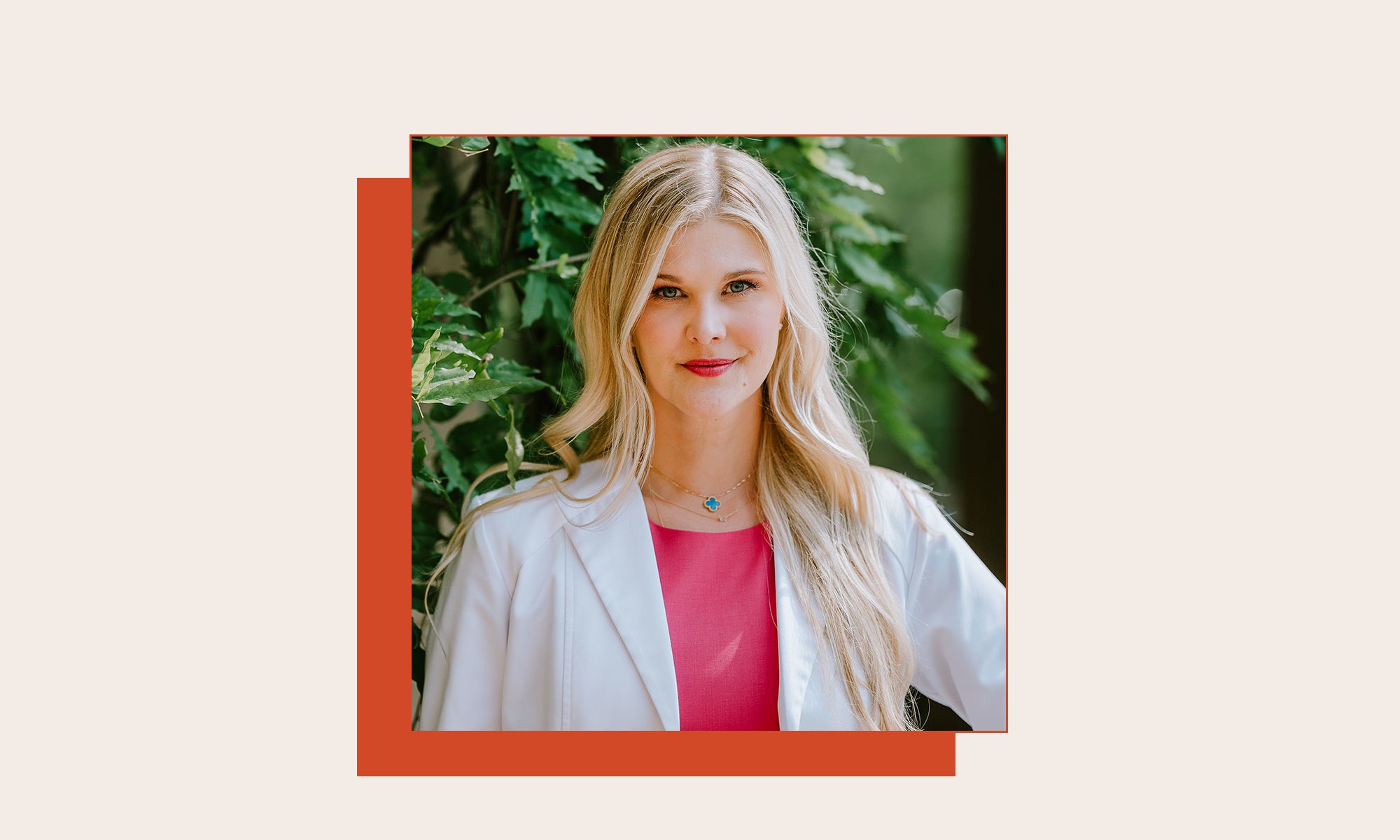
According to fertility specialist Dr. Natalie Crawford, the ovaries are much more than reproductive organs; they are hormonal powerhouses essential to a woman’s systemic health and long-term survival.
The Hormonal Engine of Longevity
While the eggs receive most of the attention, the true value of the ovary lies in the granulosa cells that surround them. These cells are responsible for producing a vital cocktail of hormones, including estrogen, progesterone, and testosterone.
Because these hormones regulate much more than just the menstrual cycle, ovarian health serves as a window into a woman’s overall biological state. There is a profound connection between reproductive health and chronic disease:
* Metabolic Indicators: Difficulty conceiving is often not the primary problem,, but rather a symptom of underlying issues like insulin resistance and chronic inflammation.
- Cardiovascular & Bone Health: The timing of menopause is a critical health marker. Women who experience early menopause face significantly higher risks of heart disease and osteoporosis.
Understanding the “Egg Vault”
To grasp how ovarian health functions,, Dr. Crawford uses the analogy of a vault. This helps explain why ovarian reserve—the quantity of eggs remaining—is so difficult to manipulate.
The Timeline of Egg Depletion
The loss of eggs is a lifelong process that begins long before birth:
1. In Utero (5 months): The peak occurs, with approximately 6–7 million eggs.
2. At Birth: The number drops to 1–2 million.
3. By Puberty: Fewer than 500,000 remain.
Crucially, eggs are lost continuously from the moment of conception. Dr. Crawford notes that the number of eggs released during ovulation is proportional to the density of the “vault.” When the vault is crowded, more eggs exit; as it empties, the rate of release slows. This explains why two women can have vastly different experiences with IVF—it is often less about luck and more about their individual biological starting points and rates of decline.
Debunking the Puberty Myth
A common misconception is that starting menstruation early “uses up” eggs faster. Dr. Crawford clarifies that puberty does not change the rate of egg loss.
Instead, early puberty serves as a metabolic red flag. It suggests that the body is experiencing higher levels of inflammation or insulin resistance, which signals the brain to trigger the hormonal processes of puberty prematurely. While the egg count isn’t being depleted faster, the factors causing early puberty are the same ones that predispose individuals to metabolic diseases later in life.
The Silent Threat: Chronic Inflammation
While acute inflammation is a necessary part of healing, chronic inflammation acts as a destructive force that can penetrate the “ovarian vault.” This systemic inflammation impacts health on multiple levels:
* Neurological: It disrupts the brain’s ability to send correct hormone signals.
* Ovarian: It alters how the ovaries respond to those signals.
* Cellular: It can directly reduce egg counts and degrade egg quality.
* Structural: It can lead to fibrosis (scarring) within the ovarian tissue.
Protecting Your Biological Future
Because ovarian health is so closely tied to metabolic health, the strategies used to protect fertility are effectively longevity strategies. To support hormonal function and mitigate long-term risks, Dr. Crawford emphasizes five lifestyle pillars:
- Sleep: Prioritizing rest to prevent insulin resistance.
- Stress Management: Reducing the systemic inflammatory burden.
- Nutrition: Emphasizing whole foods, fiber, and antioxidants while limiting ultra-processed items.
- Toxin Reduction: Minimizing exposure to endocrine disruptors found in plastics and certain household chemicals.
- Consistent Movement: Using exercise to maintain metabolic stability.
Conclusion
Ovarian health is a vital indicator of a woman’s metabolic and cardiovascular trajectory. By treating ovarian care as a lifelong strategy for systemic wellness rather than just a window for fertility, women can better protect their long-term health and longevity.