For years, we’ve been warned about the dangers of evening screen use. But recent research suggests the reality is more complex. It’s not just that you’re on your phone before bed, but how you use it. Brightness, timing, and content matter far more than the presence of blue light. Here’s what you need to know to optimize your screen habits for better rest.
Why the Old Advice Was Misleading
The common wisdom about screens destroying sleep stemmed largely from concerns about blue light suppressing melatonin. While blue light does affect alertness, newer studies show that overall brightness and the type of content you consume have a much greater impact. A bright, fast-paced show will keep you awake far more effectively than a dim, familiar one.
This matters because many people assume all screen time is equally disruptive. Understanding the nuance means you can adapt your habits, rather than simply banning devices altogether.
How Screens Actually Affect Your Brain
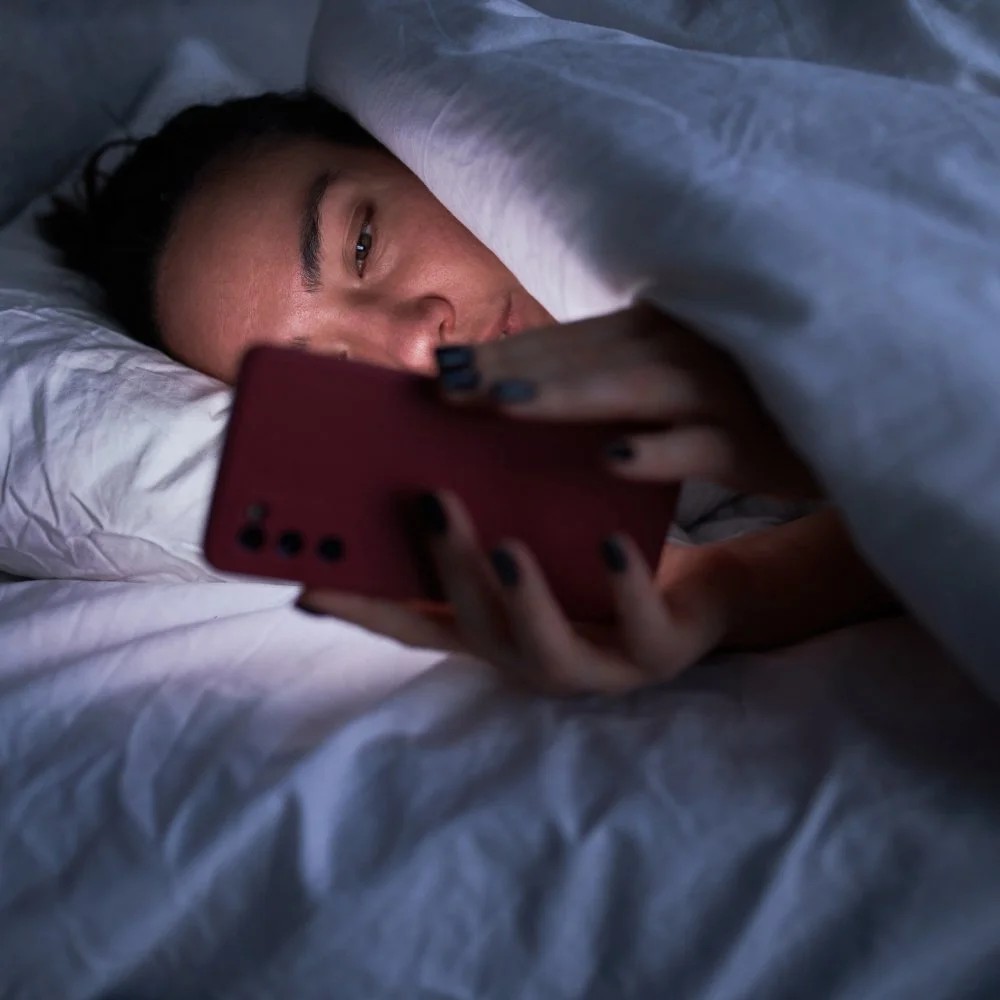
When you use a screen at night, the light signals your brain to stay awake. The closer and brighter the light, the stronger this effect. But mental stimulation is also key. Engaging content—like emails, intense gaming, or stressful news—keeps your mind racing, making sleep harder to achieve. Conversely, slow, predictable content (rewatching a favorite show, listening to calming music) can help you relax.
Essentially, screens themselves aren’t the enemy. It’s the combination of light exposure and mental activity that determines whether they aid or hinder sleep.
7 Ways to Use Screens Mindfully Before Bed
You don’t have to quit scrolling entirely. Instead, structure your screen time to support relaxation:
- Dim the Brightness: Reduce screen brightness and use “Night Shift” or similar features to shift to warmer tones. Pair this with dim room lighting to avoid jarring transitions.
- Choose Calming Content: Opt for slower, less stimulating material. Re-watch familiar shows, listen to nature documentaries, or use guided meditation apps.
- Create a Transition Window: Gradually shift from stimulating activities to calming ones. Check emails earlier, then switch to softer content closer to bedtime.
- Optimize Your Environment: Recline comfortably, dim the lights, and avoid using screens in “work mode.” Maintain a relaxed physical posture.
- Pair Screens with Grounding Cues: Sip herbal tea, stretch, or listen to ambient sounds while using your device. These activities reinforce relaxation.
- Reflect on How You Feel: Pay attention to how different content affects your mood and sleep quality. Adjust your habits accordingly.
- Use Devices to Support Rest: Leverage apps for meditation, breathing exercises, or white noise to create a calming sensory background.
Common Questions About Screen Time & Sleep
Does screen time always hurt sleep? Not necessarily. Calm, low-light use can actually support relaxation.
Is blue light the biggest problem? Brightness and timing are more critical than blue light itself.
How long before bed should I stop? 30-60 minutes is a good guideline, but consistency matters more than strict timing.
What kind of screen time is helpful? Slow, gentle content like nature documentaries or guided meditations can be beneficial.
Ultimately, the key is intentionality. By understanding how screens affect your brain and body, you can use them mindfully to enhance, rather than disrupt, your sleep.
Conclusion: The narrative around screen time and sleep is evolving. It’s not about avoiding screens entirely, but about using them strategically to support your natural sleep-wake cycle. By dimming the brightness, choosing calming content, and paying attention to how you feel, you can integrate screen use into a healthy bedtime routine.