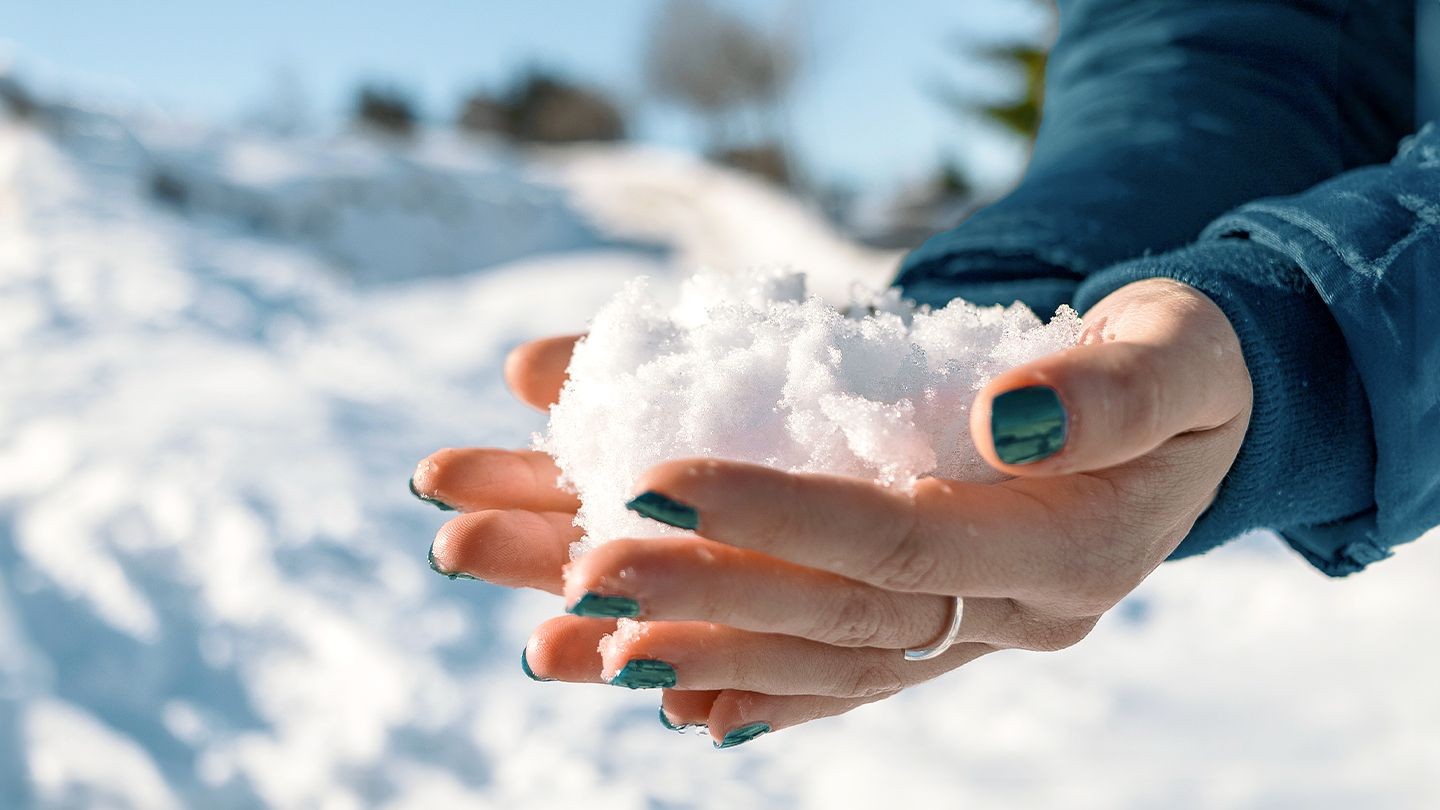
The recent TikTok trend of making snow cones and snow cream has sparked renewed interest in consuming snow. But before you scoop up a handful, it’s crucial to understand the risks involved. While a few flakes likely won’t hurt, eating snow isn’t as harmless as it appears.
What’s Really in Snow?
Snowflakes aren’t sterile. As they descend, they act like airborne collectors, trapping particles from the atmosphere. By the time they reach the ground, they carry traces of dust, soot, pollen, bacteria, fungal spores, microscopic plastics, and even metal particles. Essentially, snow is a snapshot of the air quality above it.
The danger doesn’t end there. Snow on the ground can become contaminated with animal feces (which carries E. coli ), road salt, fertilizers, and other unsafe substances. Even if it looks clean, it’s best to treat snow like untreated water: something you wouldn’t drink without filtering.
City vs. Country: Does Location Matter?
Yes. Areas with poor air quality, such as cities with heavy traffic or industrial emissions, will have higher concentrations of contaminants in the snow. However, ground contamination is the bigger issue. Snow picks up pollutants regardless of location.
When Is It Safest to Eat Snow?
If you insist on tasting snow, be extremely selective. Only eat pristine, white, undisturbed snow from the very top layer. Avoid snow that’s been walked on, shoveled, or sitting on the ground. Never eat discolored snow – yellow (animal urine), red, green, orange, gray, or black (pollution) are all red flags. Freshly fallen snow (within a couple of hours) is slightly less risky, but still not entirely safe.
To minimize ground contamination, you can place a clean bowl outside to catch falling snow.
Health Risks: How Much Is Too Much?
Eating small amounts of snow won’t provide calories, but it can lower your body temperature. Consuming too much snow in freezing conditions may contribute to hypothermia. Those with weakened immune systems should avoid eating snow altogether, as it can carry harmful bacteria or fungi. Pets are also vulnerable to the same risks, especially from road salt and chemicals.
The Joy Factor
For healthy people, a bite or two of fresh snow is unlikely to cause harm. The real benefit may be psychological. Catching snowflakes on your tongue can be a simple pleasure, a magical part of winter.
Ultimately, while eating snow isn’t a disaster, it’s best to approach it with caution. Treat it as an environmental sample, not a free snack.