





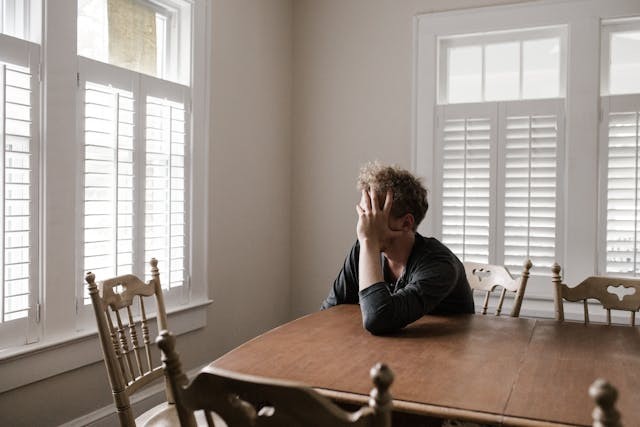
Loneliness among men is a pervasive but often unspoken issue. It doesn’t always look like isolation; it can exist within relationships, families, or even busy workplaces. Over time, the gap between how a man feels and how he presents himself grows, often leading to suppressed emotions and, eventually, anger. This isn’t a character flaw, but a predictable consequence of societal pressures and emotional neglect. Mindfulness offers a practical tool for recognizing these patterns before they escalate.
The Hidden Shapes of Male Loneliness
Loneliness isn’t just about being alone; it’s about feeling disconnected. For many men, this manifests in three core ways:
- Social Isolation: Friendships fade due to competing priorities, leaving men surrounded by people but lacking genuine confidants.
- Emotional Isolation: Men often share surface-level details of their lives while suppressing deeper feelings, fearing vulnerability or judgment.
- Relationship Strain: Unresolved emotional distance leads to withdrawal, creating a cycle where communication breaks down and loneliness deepens.
This is a critical issue because unaddressed emotional isolation directly contributes to increased anger, stress, and even mental health problems.
The Link Between Loneliness and Anger
Anger is often a secondary emotion, masking underlying feelings of sadness, shame, or overwhelm. When men suppress vulnerability, pressure builds until it erupts as frustration or reactivity.
Consider a man in his forties who snaps at minor inconveniences; beneath the irritation lies unprocessed grief from a recent breakup he’s too afraid to discuss. Or a young father who lashes out during arguments, not because he’s malicious, but because he feels stretched thin and unseen. Mindfulness helps identify these buried emotions before they boil over.
How Mindfulness Creates Space for Change
Mindfulness isn’t about eliminating emotions; it’s about awareness. By creating a pause between feeling and reaction, it allows for intentional responses rather than impulsive outbursts.
- Early Cue Recognition: Mindfulness teaches men to notice physical signs of stress – clenched jaws, tense shoulders, shallow breathing – before anger fully manifests.
- Slowing the Escalation: A brief pause, even a few deep breaths, can defuse tension and prevent unnecessary conflict.
- Value Alignment: By grounding behavior in core values (fairness, reliability), mindfulness helps men act in line with their true selves, rather than reacting from a place of stress.
A Practical Tool: The 3-Breath Reset
This simple technique can be used in any situation:
- Notice where tension sits in your body.
- Take three slow breaths, extending the exhale slightly.
- Choose a response that aligns with who you want to be.
Practicing this daily builds emotional resilience before stressful moments arise.
Why This Matters: Systemic Pressures on Men
Male loneliness is not an individual failure; it’s a systemic issue. Cultural norms encourage emotional suppression, while workplaces reward stoicism. Friendships often prioritize activities over deep connection, and relationships can suffer from poor communication. These patterns are learned, not inherent, and can be unlearned.
What Men Can Do: Reconnecting and Seeking Support
Building genuine connection requires small, consistent efforts: reaching out to friends, joining groups, or simply initiating meaningful conversations. Creating healthy emotional spaces (therapy, men’s groups) is essential for safe expression. Challenging limiting beliefs (“I should handle this alone”) is also crucial.
If anger is impacting relationships, work, or well-being, seeking professional support (counseling or coaching) is not a sign of weakness, but a proactive step towards healing.
Mindfulness isn’t a cure-all, but it’s a powerful tool for men who want to break cycles of loneliness and anger. Starting small, practicing consistently, and seeking support when needed can lead to lasting emotional stability and healthier connections.
You don’t need a perfect plan; you only need to begin.