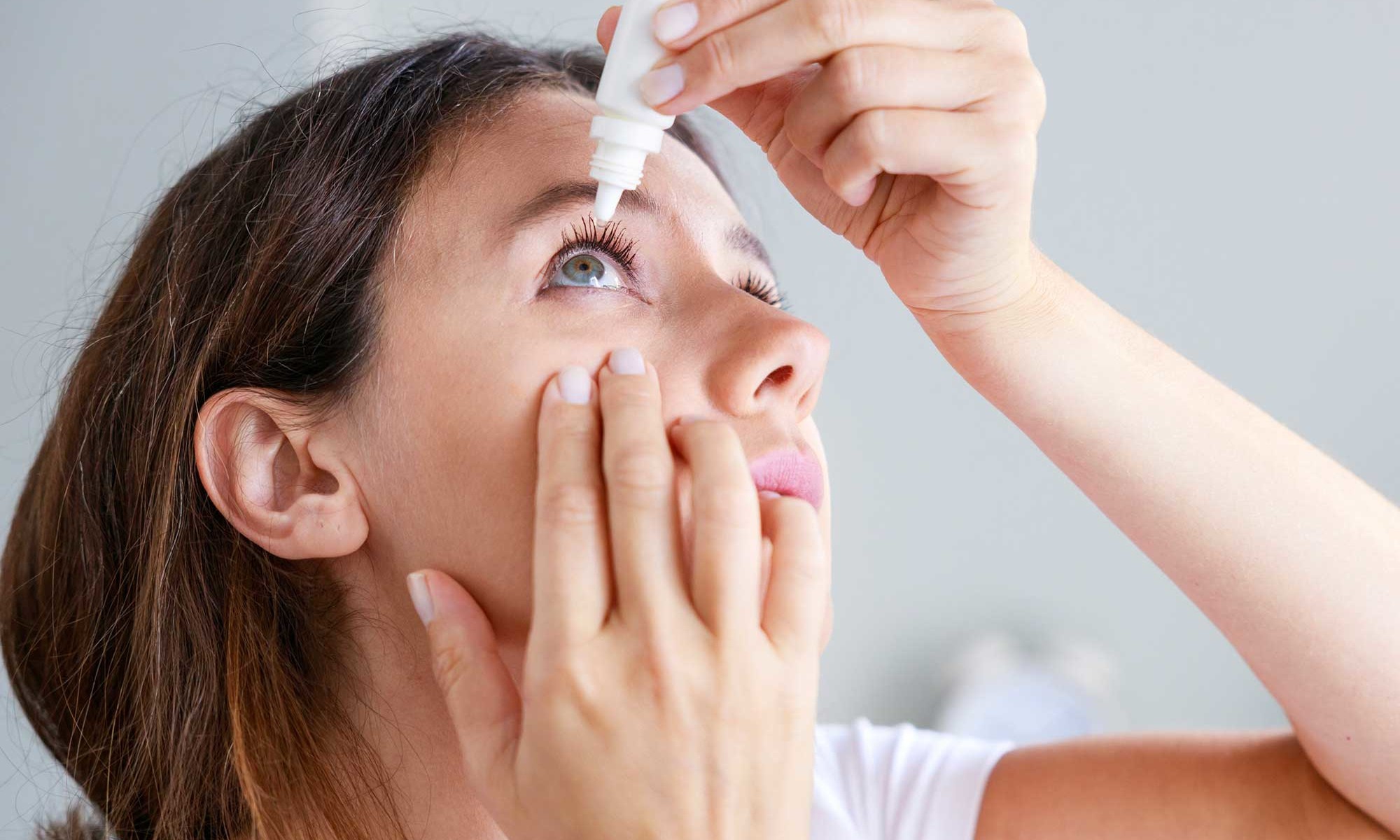
For many people, dry, irritated eyes mean reaching for over-the-counter (OTC) eye drops. However, these drops often only provide temporary relief because they don’t address the root causes of dry eye. The problem isn’t always a lack of lubrication; it’s often a combination of overlooked factors that make the condition worse.
The Biology of Dry Eye: Why Your Eyes are Sensitive
The cornea, the clear front part of your eye, is densely packed with nerves. This makes it extremely sensitive to irritation. Dry eye disease can actually change the way these nerves function, increasing discomfort even from normal stimuli. This means your eyes aren’t just dry ; they’re becoming hypersensitive.
Digital Strain: Screens and Reduced Blinking
Modern life involves excessive screen time, which dramatically reduces blinking. The American Academy of Ophthalmology notes that people blink about half as often while looking at screens. Blinking is crucial because it spreads tears across the eye’s surface, preventing evaporation. To combat this:
- Take frequent breaks from screens.
- Position your screen below eye level to reduce eyelid strain.
- Limit screen use before bed.
Environmental Factors: Wind, Heat, and Air Conditioning
Dryness isn’t limited to indoor environments. Wind, low humidity, and forced air (from heaters, AC, or car vents) accelerate tear evaporation. The eyes may overcompensate by producing more tears, but this isn’t always enough. Solutions include:
- Wearing moisture chamber goggles (non-prescription glasses with silicone barriers).
- Using humidifiers, especially in dry climates.
- Staying hydrated during travel, and limiting alcohol or caffeine intake on planes.
Medication Side Effects: An Overlooked Trigger
Many common medications can worsen dry eye. Antidepressants, anti-anxiety drugs, antihistamines, diuretics, and even acne treatments can all contribute to the problem. These drugs can trigger inflammation or directly reduce tear gland activity. If you suspect medication is a factor, discuss it with your doctor. There are often alternative treatments or ways to manage symptoms.
The Importance of Sleep: Maintenance and Repair
Sleep isn’t just about rest; it’s when your eyes undergo essential maintenance processes, including flushing out debris. Poor sleep reduces tear production and increases corneal sensitivity, exacerbating dry eye symptoms. Managing stress, exercising, meditating, or using aromatherapy can support both better sleep and reduced dryness.
Blocked Meibomian Glands: A Major Contributor
The meibomian glands produce oils that stabilize the tear film. When these glands become blocked, tears evaporate too quickly, leading to inflammation and chronic discomfort.
Makeup and Irritants: Be Mindful of Ingredients
Some makeup products contain preservatives, fragrances, or glitter that can irritate sensitive eyes. Choosing hypoallergenic, fragrance-free products can help reduce this trigger.
The Limitations of OTC Drops: A Temporary Fix
While OTC eye drops can provide temporary relief, they don’t treat the underlying causes of dry eye. Overuse can even worsen the problem, as many products contain preservatives that cause irritation with frequent application.
Ultimately, persistent dry eye requires identifying and addressing the root causes, not just masking the symptoms. If OTC drops aren’t working, it’s time to consult an eye care professional for a personalized treatment plan.