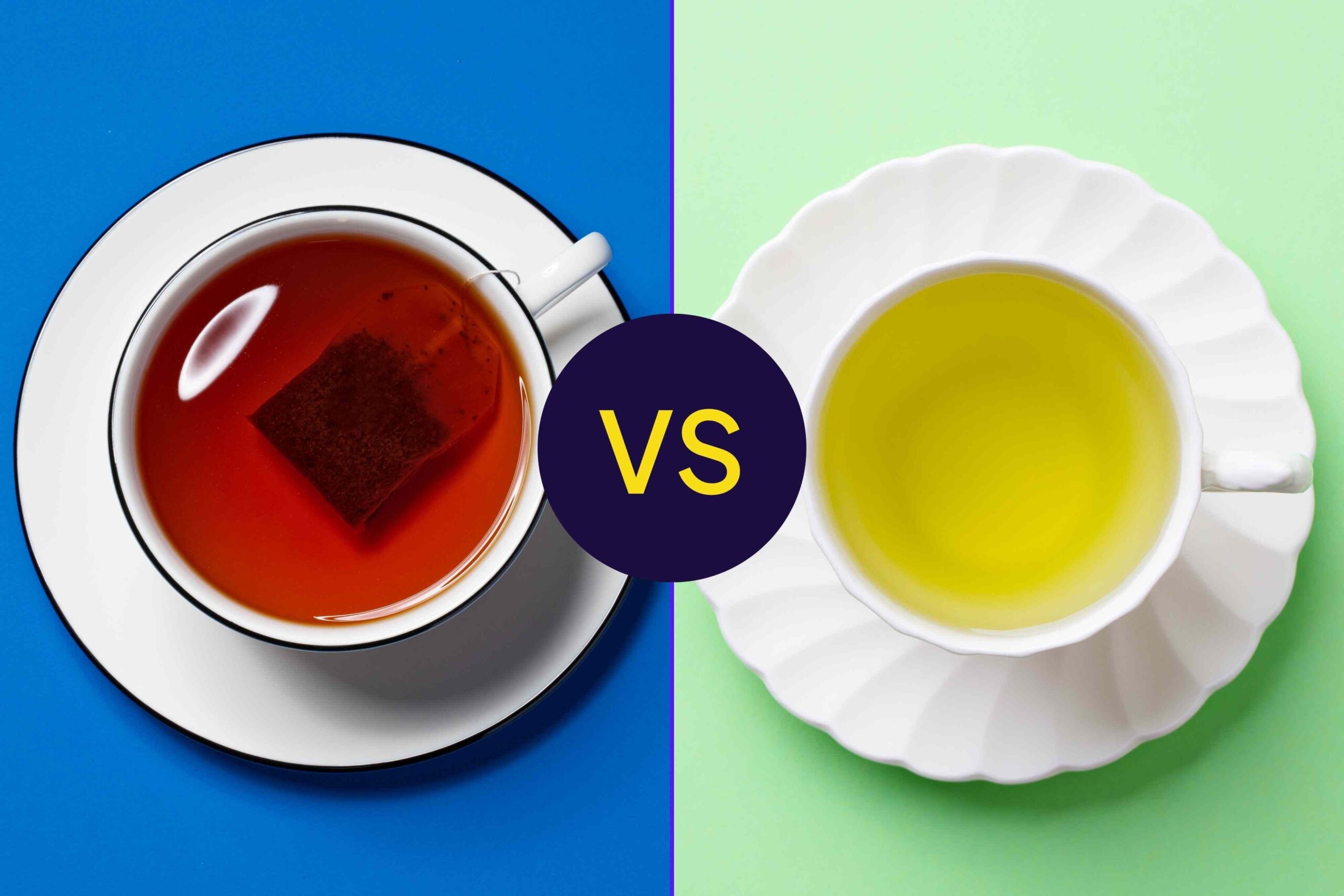
The choice between black and green tea isn’t just about preference—it’s about what you’re drinking and why. Both teas originate from the same plant, Camellia sinensis, but processing dramatically alters their antioxidant content, caffeine levels, and even how they affect your body. Understanding these differences is key to maximizing your health benefits.
Antioxidant Power: Green Tea Leads, But Black Tea Isn’t Far Behind
Green tea generally provides a higher concentration of antioxidants than black tea. On average, a 100ml (about 0.4 cups) serving of green tea contains around 62mg of flavanols, while black tea offers approximately 40mg. These flavanols are vital plant compounds linked to disease prevention and overall well-being.
However, the type of antioxidant matters just as much as the amount. Both teas have unique strengths.
The Antioxidant Breakdown: Catechins vs. Theaflavins
Green tea is especially rich in catechin polyphenols, most notably epigallocatechin-3-gallate (EGCG). EGCG is celebrated for its anti-inflammatory properties, heart health support, and potential to inhibit cancer cell growth.
Black tea, in contrast, features theaflavin polyphenols. These compounds form during the oxidation process unique to black tea production. Theaflavins are linked to cholesterol regulation and improved cardiovascular function.
The takeaway? Both teas offer distinct protective benefits. Incorporating both into your routine ensures you reap the advantages of each type.
How Processing Makes All the Difference
The divergence begins with processing. Fresh leaves from Camellia sinensis are either rapidly heated to prevent oxidation (green tea) or allowed to oxidize (black tea). Think of it like a cut apple: exposure to air causes it to brown.
- Green Tea: Pan-firing or steaming immediately after harvest stops oxidation, preserving the leaves’ vibrant color and delicate catechins. This yields a fresh, vegetal flavor.
- Black Tea: Crushing and rolling the leaves allows enzymes to interact with oxygen. This oxidation transforms catechins into theaflavins, creating the tea’s signature dark amber hue and robust taste.
Caffeine: Black Tea Packs More Punch
Caffeine isn’t just a stimulant; it also contributes to antioxidant activity. Black tea contains more caffeine than green tea: roughly 71mg per 12oz serving, compared to green tea’s 37mg. This makes black tea a viable coffee alternative for those seeking a boost.
Green tea offers a gentler lift, paired with L-theanine, an amino acid that promotes calm alertness without the jitters or crash associated with high caffeine intake. If you’re sensitive to caffeine, green tea might be better suited.
Brewing for Maximum Benefit
To preserve antioxidants, brewing matters:
- Green Tea: Use water around 185°F (85°C). Boiling water can scald the leaves and create bitterness, while lower temperatures maximize antioxidant extraction.
- Black Tea: Boiling water (212°F or 100°C ) is ideal for releasing the most antioxidants from its robust leaves.
However, over-steeping both teas can degrade those beneficial compounds. Keep brewing times in check for the best results.
Ultimately, whether you choose black or green tea depends on your preferences and goals. Both offer unique advantages, making them valuable additions to a health-conscious lifestyle.