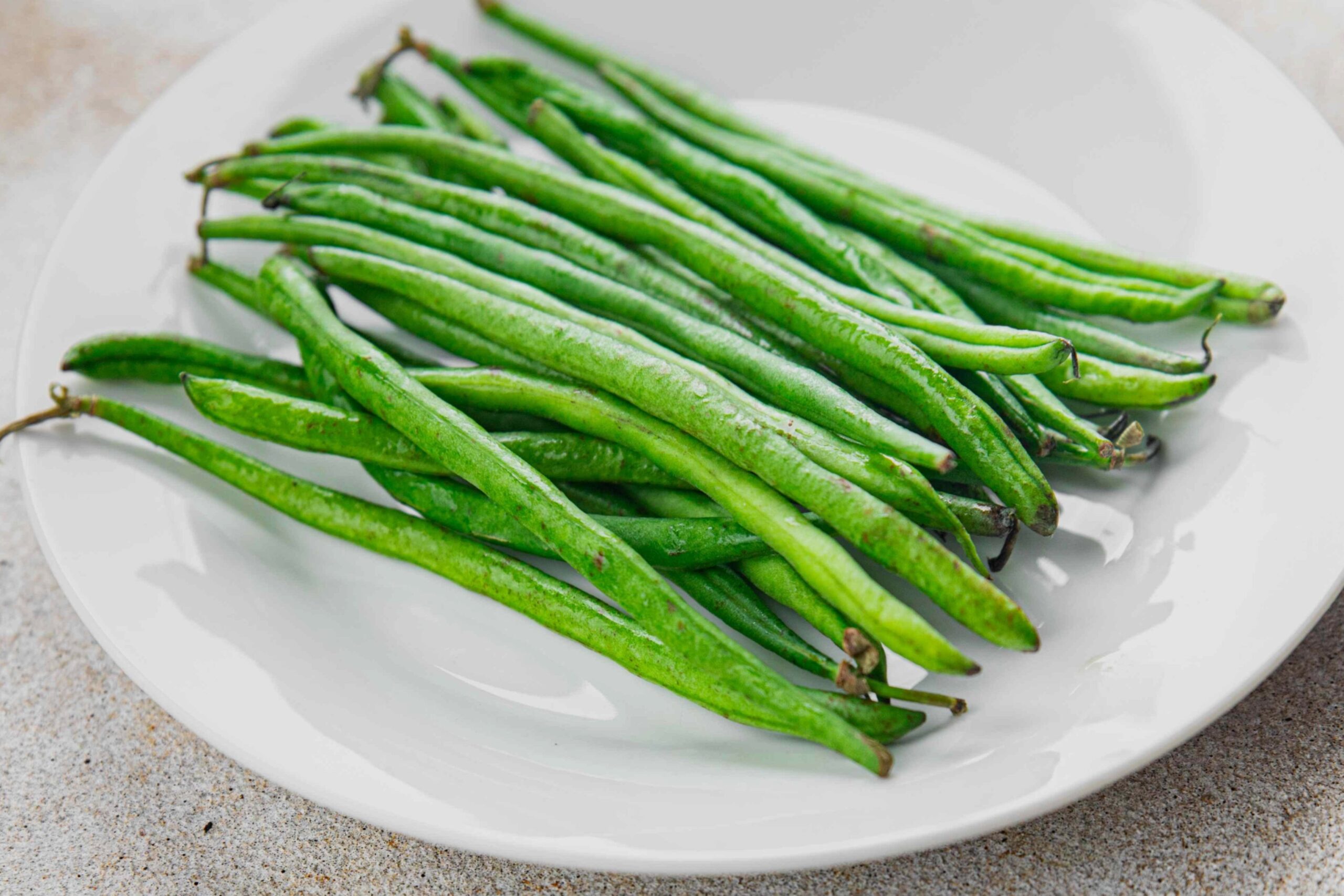
Green beans, often overlooked as a simple side dish, offer a surprisingly wide range of health benefits when incorporated into your diet. These benefits stem from their rich nutritional profile, including high fiber content, essential vitamins, and minerals. This article breaks down exactly what happens to your body when you make green beans a regular part of your meals.
Gut Health and Digestion: A Fiber-Rich Boost
Green beans are an excellent source of dietary fiber. Fiber promotes regular bowel movements, preventing constipation and supporting overall digestive health. Beyond basic regularity, fiber feeds the beneficial microorganisms in your gut microbiome. A healthy gut microbiome is increasingly linked to improved metabolic function and reduced risk of conditions like type 2 diabetes.
For those managing chronic digestive issues like irritable bowel syndrome (IBS), green beans are a favorable choice due to their low FODMAP content—carbohydrates that can trigger bloating, gas, and abdominal pain in sensitive individuals.
Weight Management: Filling, Nutrient-Dense, and Low-Calorie
If you’re aiming to maintain a healthy weight, green beans are a smart addition to your diet. They are low in calories and fat while delivering a substantial dose of vitamins, minerals, and other nutrients. The high fiber content promotes satiety, helping you feel fuller for longer and naturally reducing calorie intake.
Stronger Bones: The Power of Vitamin K
Green beans are remarkably high in vitamin K, with a single serving providing around 40% of the recommended daily intake. Vitamin K is crucial for bone formation and maintenance, and deficiency can elevate the risk of osteoporosis—a condition characterized by weak, brittle bones. Regular consumption supports skeletal health.
Cardiovascular Health: Lowering Blood Pressure and Cholesterol
Green beans contribute to heart health through multiple mechanisms. They are rich in vitamin B9 (folate) and potassium, both of which may help lower blood pressure. Fiber also plays a role in cholesterol management by lowering LDL (“bad”) cholesterol levels. Managing blood pressure and cholesterol effectively reduces the risk of heart disease.
However, preparation matters: canned green beans can be high in sodium, potentially negating the blood pressure benefits. Opt for fresh or frozen options when possible.
Eye Health: Vitamins for Vision
Green beans contain nutrients that support eye health:
- Vitamin C: Deficiency is linked to cataracts and weakened collagen, impacting eye health.
- Folate (Vitamin B9): Research suggests diets high in folate may reduce the risk of advanced age-related macular degeneration, a leading cause of vision loss.
A 100-gram serving provides approximately 15% of your daily vitamin C and 8% of your daily folate needs.
Nutritional Breakdown: A Powerhouse in Every Bite
One cup (125 grams) of boiled green beans contains:
- Calories: 44
- Protein: 2.36g
- Fat: 0.35g
- Carbohydrates: 9.86g
- Fiber: 4g
- Key Vitamins: Vitamin A, B9 (folate), C, and K
- Minerals: Iron, magnesium, potassium, calcium
These nutrients work synergistically to support overall health.
Maximize the Benefits: Preparation Tips
To fully leverage the health benefits of green beans, consider how you prepare them. Steaming, boiling, or stir-frying are preferable to frying, which can add unhealthy fats. Pairing them with lean proteins and healthy fats further enhances nutrient absorption.
Incorporating green beans into your diet regularly is a simple yet powerful way to improve gut health, manage weight, strengthen bones, protect your heart, and support vision. They’re a versatile and affordable vegetable that deserves a place on every plate.