




Menopause can bring about uncomfortable vasomotor symptoms (VMS), often experienced as hot flashes and night sweats. Affecting around 74% of women in the U.S. during perimenopause, these symptoms stem from fluctuating estrogen levels disrupting the body’s temperature regulation. While hormone therapy and lifestyle adjustments are common treatments, diet plays a significant, often overlooked, role. Here’s a breakdown of what foods may help reduce the intensity and frequency of hot flashes, and what to avoid.
Understanding Vasomotor Symptoms
Hot flashes and night sweats aren’t identical. Both are responses to hormonal shifts during menopause, but night sweats tend to last longer and feel more intense. Both can disrupt sleep, making consistent sleep hygiene even more vital. The key is managing these fluctuations through balanced nutrition.
4 Foods That May Help Reduce Hot Flashes
-
Soy-Rich Foods: Soy contains isoflavones, plant compounds that mimic estrogen. A 2023 study showed that postmenopausal women on a soy-heavy, low-fat vegan diet saw a 79% reduction in total hot flashes and 84% in severe episodes. Experts suggest opting for minimally processed soy products like tofu, tempeh, edamame, and soy milk rather than powders or sweetened options.
-
Vitamin E Foods: Research suggests vitamin E may reduce hot flashes, with one study indicating a nearly one-third reduction in incidence. Boost your intake naturally through foods like avocados, almonds, spinach, mangoes, and sunflower seeds.
-
Plant-Based Diets: Studies consistently show that diets rich in fruits, vegetables, nuts, and legumes can improve VMS symptoms. One study found a plant-based diet with minimal oils significantly reduced hot flash frequency and severity. If veganism or vegetarianism isn’t feasible, focus on incorporating more low-fat, unprocessed foods.
-
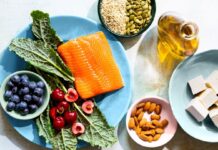
Omega-3 Fatty Fish: Omega-3 supplementation has been linked to reduced hot flashes, night sweats, and improved sleep in menopausal women. Consume cold-water fatty fish like salmon, mackerel, and sardines regularly. Look for fortified foods with EPA or DPA omega-3s.
5 Foods To Limit Or Avoid
To minimize hot flashes, consider reducing or eliminating these:
- Processed Sugars: Rapid spikes and drops in blood sugar can trigger hot flashes, particularly in women with diabetes. Minimize candy, cakes, and sweetened drinks.
- Caffeinated Beverages: While research is mixed, some women report that caffeine worsens hot flashes. Experiment with limiting coffee, soda, or energy drinks if you suspect they exacerbate your symptoms.
- Hot Beverages: Scalding hot drinks can raise your body temperature and trigger a hot flash. Opt for iced or cooled alternatives instead.
- Alcohol: Especially red wine, alcohol can worsen hot flashes, particularly near bedtime. Reducing intake may provide relief.
- Spicy Foods: Capsaicin in chili peppers, wasabi, and chorizo can trigger hot flashes. Adjust spice levels to your tolerance or use milder seasonings like basil, cinnamon, or rosemary.
The Bottom Line
Managing hot flashes effectively involves a holistic approach. Diet is a key component alongside hormonal therapy and lifestyle changes. Adding soy, fatty fish, plant-based foods, and prioritizing vitamin E intake may reduce symptom severity. Avoiding processed sugars, caffeine, alcohol, and spicy foods can also help. If you’re unsure how to tailor your diet, consult a doctor or registered dietitian specializing in hormonal changes for personalized guidance.