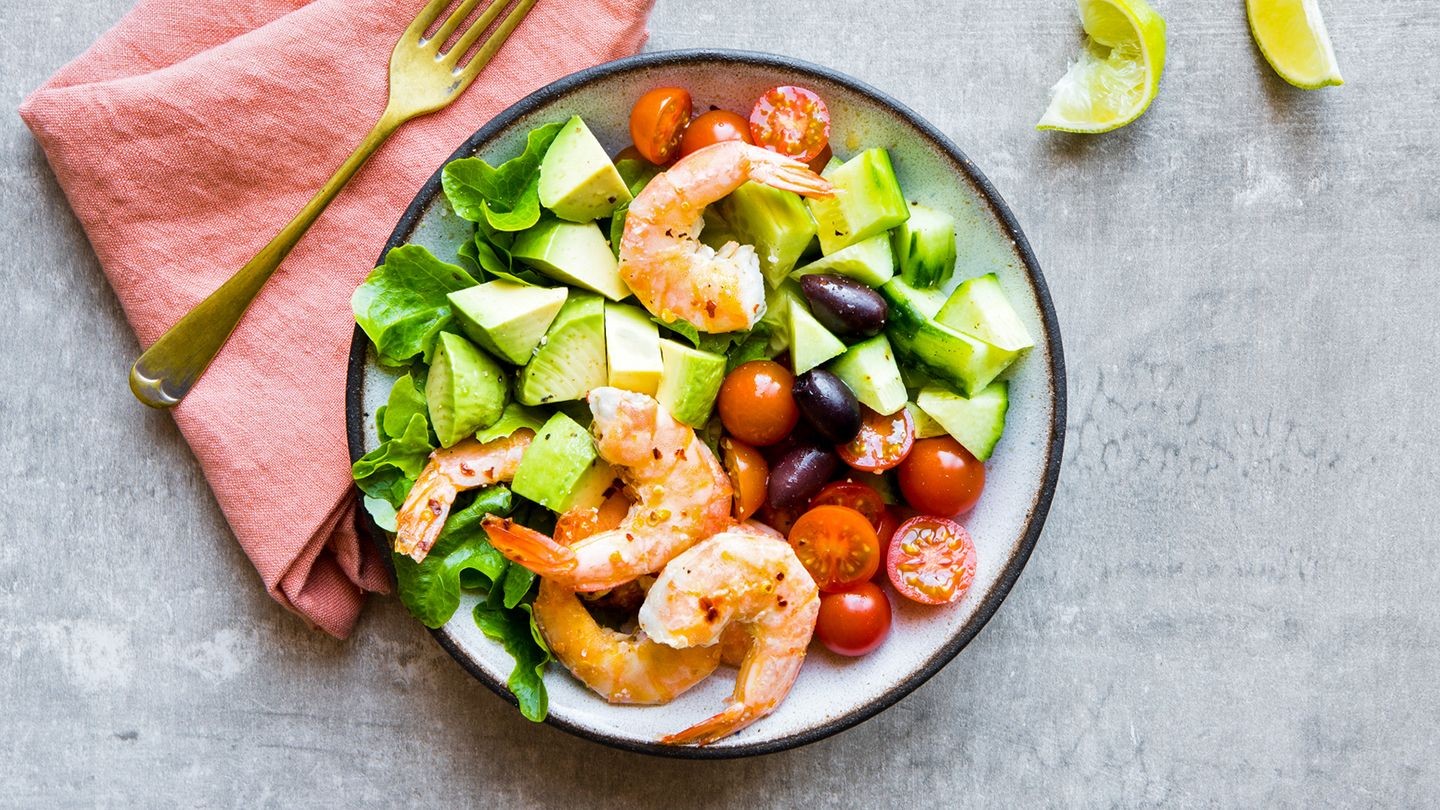
Low-carbohydrate diets, ranging from strict keto to moderate approaches, remain a popular strategy for weight loss, diabetes management, and perceived health benefits. While no official “low-carb diet” exists, the core principle involves reducing carbohydrate intake below typical levels. This guide breaks down the science, risks, and practicalities of low-carb eating.
What Defines “Low-Carb”?
The term “low-carb” lacks a precise medical definition. What constitutes a low-carb diet varies by individual and goal. A common range is 50 to 100 grams of carbohydrates per day, though some plans restrict intake even further (very-low-carb, like keto), while others allow up to 200 grams (moderate-carb).
This ambiguity matters because carbohydrate needs differ based on activity level, metabolism, and health status.
Potential Benefits: Weight Loss and Beyond
The most widely cited benefit of low-carb diets is weight loss. Research confirms that, in the short term, restricting carbs can lead to greater weight reduction than unrestricted eating. This effect is especially pronounced for individuals with obesity.
For those with type 2 diabetes, reducing carbohydrates can lower blood sugar and insulin levels, improving A1C readings (a measure of average blood sugar over two to three months). Studies suggest even one month of low-carb eating can improve insulin resistance.
Some proponents also claim additional benefits, such as improved hormonal balance and mental clarity. However, these effects are often short-lived and lack conclusive long-term evidence.
The Spectrum of Low-Carb Approaches
Several variations exist, each with unique restrictions:
- Keto Diet: The strictest approach, limiting carbs to under 50 grams daily while maximizing fat intake.
- Traditional Low Carb: A more moderate plan, allowing 50–100 grams of carbs per day, often seen as a starting point.
- Atkins Diet: A phased program, starting with severe carb restriction and gradually reintroducing carbohydrates.
- Paleo Diet: Eliminates grains but carb content depends on fruit and root vegetable intake.
Risks and Considerations
Low-carb diets aren’t without potential drawbacks:
- Pregnancy/Breastfeeding: Not recommended unless medically supervised due to increased nutritional needs.
- High-Intensity Athletes: May not provide sufficient fuel for rigorous activity.
- Pre-Existing Conditions: Individuals with kidney disease or heart disease should consult a doctor before starting.
- Eating Disorders: Restrictive diets can exacerbate disordered eating patterns.
The key is individualization: if you have a chronic condition, work with a healthcare professional to ensure safety.
Sample Meal Plan (3 Days)
Here’s a sample menu for a low-carb diet (adjust portion sizes to meet your goals):
Day 1:
- Breakfast: Veggie omelet with avocado
- Lunch: Burrito bowl (no rice/beans) with meat, veggies, cheese, guacamole
- Dinner: Grilled chicken with roasted broccoli and half a sweet potato
- Snack: Mixed berries with almond butter
Day 2:
- Breakfast: Chia seed pudding with nuts and melon
- Lunch: Arugula salad with grilled salmon
- Dinner: Chicken tacos in lettuce wraps with a side salad
- Snack: Olives and raw veggies
Day 3:
- Breakfast: Eggs with sautéed greens and berries with Greek yogurt
- Lunch: Chicken and vegetable soup (no noodles)
- Dinner: Shrimp and vegetable stir-fry over cauliflower rice
- Snack: Protein bar with cucumber/red pepper strips
The Bottom Line
A low-carb diet involves reducing carbohydrate intake to 50–100 grams daily, with variations like keto, Atkins, and paleo offering different restrictions. While research suggests short-term benefits for weight loss and glycemic control, long-term efficacy remains debated.
Start with a moderate approach (under 200 grams of carbs) and adjust gradually. Focus on whole foods—meat, fish, eggs, healthy fats, and non-starchy vegetables—while limiting processed foods, sugary drinks, and refined grains.
Always consult your doctor before making significant dietary changes, especially if you have underlying health conditions.