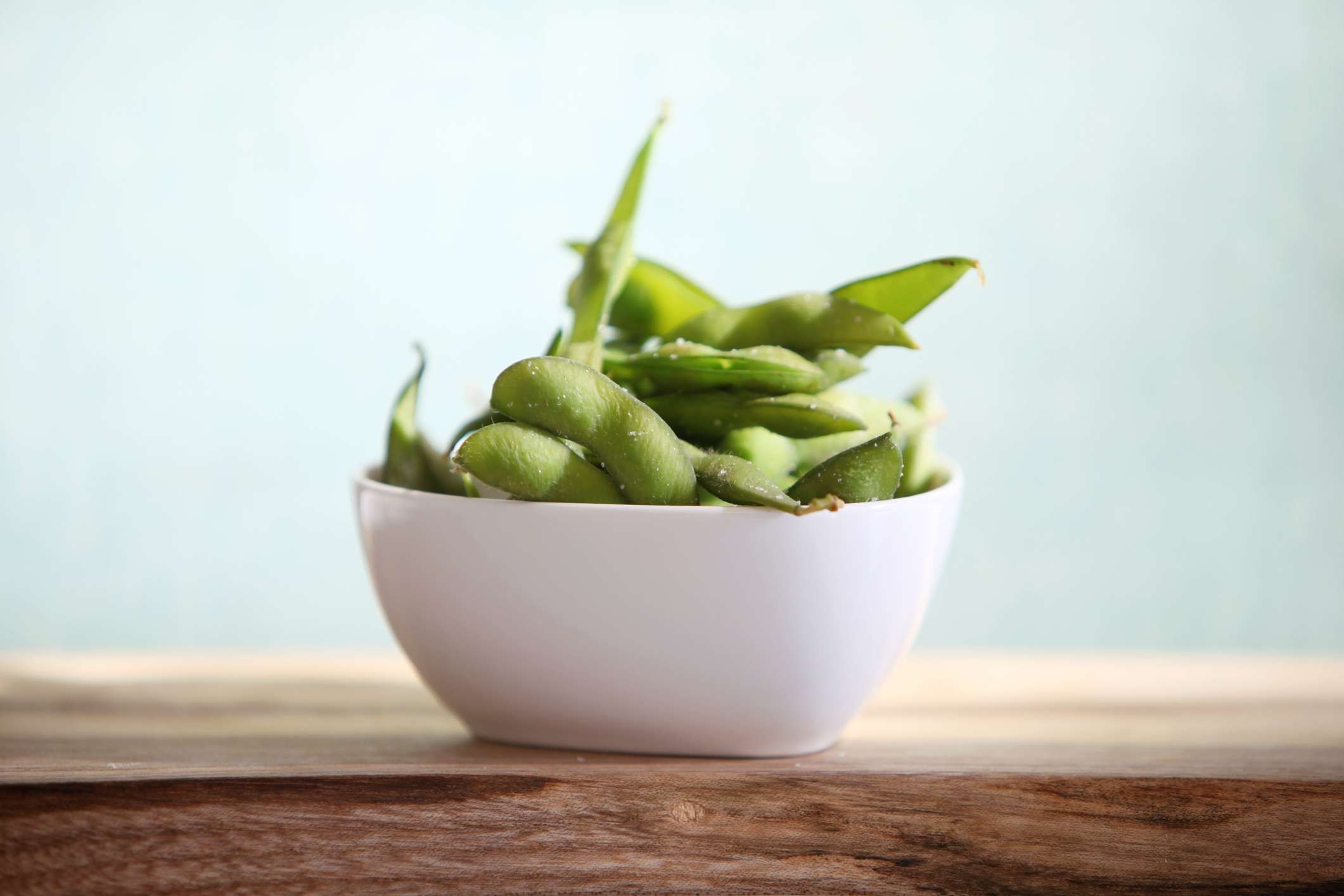
Edamame, young soybeans harvested before maturity, is a powerhouse of nutrients with significant health benefits. This guide breaks down its nutritional profile, health advantages, potential risks, and practical ways to incorporate it into your diet.
Nutritional Breakdown
A single serving (approximately 1 cup, shelled) of edamame contains:
- Calories: 224
- Fat: 8g (10% DV)
- Sodium: 205mg (9% DV)
- Carbohydrates: 13.8g (5% DV)
- Fiber: 8g (29% DV)
- Protein: 18.4g (37% DV)
- Vitamins & Minerals: Rich in folate (121% DV), vitamin C (11% DV), thiamine (26% DV), copper (59% DV), iron (20% DV), magnesium (24% DV), manganese (69% DV), phosphorus (21% DV), potassium (14% DV), and zinc (19% DV)
Why this matters: Edamame’s exceptional nutrient density means it delivers a high return for its calorie count. It’s particularly notable for its fiber and protein content, which are often lacking in modern diets.
Health Benefits
- Heart Health: Edamame is a good source of magnesium and potassium, minerals linked to lower blood pressure and reduced risk of cardiovascular disease.
- Iron Source: It provides iron, essential for oxygen transport, energy production, and hormone synthesis. This is especially valuable for those on plant-based diets, where iron intake can be lower.
- Digestive Health: The high fiber content supports gut health and regular digestion.
- Thyroid Support: While high soy intake may affect thyroid function, moderate consumption is unlikely to cause issues for most people.
- Plant-Based Protein: Edamame is an excellent protein source for vegetarians and vegans.
Potential Risks
Edamame is generally safe, but consider these points:
- Soy Allergy: Individuals allergic to soy should avoid it.
- Digestive Issues: Excessive fiber intake can cause bloating or gas; start slowly.
- Thyroid Concerns: People with thyroid conditions should consume soy in moderation. Some studies suggest high amounts of soy may slightly increase TSH levels.
“Edamame is a complete protein and fiber source. While it’s safe for most, those with thyroid conditions or soy allergies should be mindful.”
How to Prepare & Incorporate
Edamame is versatile and easy to prepare:
- Snack: Steam or boil edamame pods, sprinkle with sea salt.
- Salads: Add shelled edamame to salads for protein and crunch.
- Noodles/Rice Bowls: Mix into noodle dishes, quinoa salads, or rice bowls.
- Soups/Stews: Use as a substitute for chickpeas in hummus or add to soups.
Where to Buy
Frozen edamame (shelled or in pods) is widely available in most grocery stores. Fresh edamame is harder to find but may be available at specialty stores or local farms.
Conclusion: Edamame offers a concentrated dose of essential nutrients, making it a valuable addition to a balanced diet. From heart health to plant-based protein, its benefits are substantial. While minor risks exist, moderate consumption is generally safe and effective for most people.