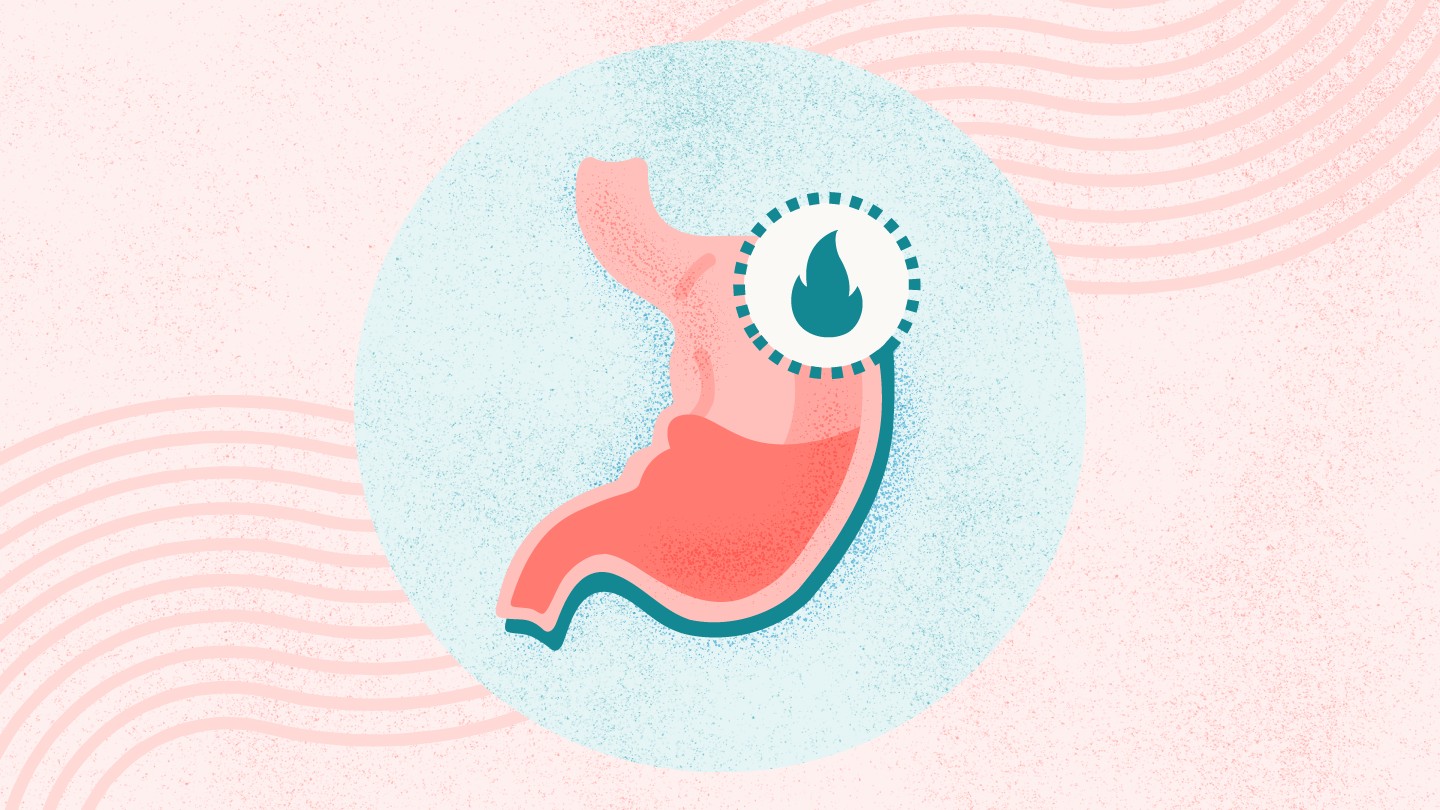
Gastroesophageal reflux disease (GERD) is a common chronic condition where stomach contents flow back up into the esophagus – the tube connecting your mouth to your stomach. Also known as acid indigestion, heartburn, or acid reflux, GERD can significantly affect daily life, but effective management is usually possible through lifestyle adjustments and medical treatment.
Understanding the Problem: What Causes GERD?
The root cause of GERD lies in the function of the lower esophageal sphincter (LES). This muscular valve normally opens to allow food into the stomach and then closes to prevent stomach acid from rising back up. GERD develops when the LES relaxes inappropriately, letting acid irritate the esophageal lining.
Several factors contribute to this:
- Diet: High-fat meals, fried foods, chocolate, citrus, peppermint, tomatoes, and spicy foods can trigger reflux.
- Lifestyle: Obesity, pregnancy, smoking, and lying down soon after eating increase abdominal pressure and worsen symptoms.
- Medications: Certain drugs (aspirin, NSAIDs, asthma medications) can also relax the LES.
- Underlying Conditions: Hiatal hernias – where part of the stomach protrudes into the chest – weaken the LES.
Recognizing the Symptoms: What Does GERD Feel Like?
The most common symptom is frequent heartburn: a burning sensation in the chest. However, GERD can manifest in different ways:
- Chest pain that mimics heart issues.
- Acid regurgitation (the taste of stomach contents in your mouth).
- Persistent cough or hoarseness, caused by acid irritating the throat.
- Nausea, vomiting, or a chronic sore throat.
The severity varies: mild GERD occurs less than twice a week, while moderate to severe cases involve inflammation and require medical attention.
Diagnosis: How Is GERD Confirmed?
Diagnosis begins with evaluating your symptoms. If frequent or severe, doctors may use:
- Upper Endoscopy: A camera inserted down the esophagus to check for inflammation or damage.
- Ambulatory Acid (pH) Probe Test: Measures acid levels in the esophagus over 24 hours.
- Esophageal Manometry: Tests the LES muscle function.
- Upper Digestive System X-Ray: Detects structural abnormalities like hiatal hernias.
Treatment Options: From Lifestyle to Surgery
Treatment depends on severity:
- Lifestyle Changes: Avoiding trigger foods, eating smaller meals, staying upright after eating, maintaining a healthy weight, and quitting smoking.
- Over-the-Counter Medications:
- Antacids: Provide quick but temporary relief by neutralizing stomach acid.
- H-2-Receptor Blockers: Reduce acid production for up to 12 hours.
- Proton Pump Inhibitors (PPIs): Suppress acid production more effectively, often healing esophageal inflammation.
- Prescription Medications: Stronger H-2-blockers or PPIs may be prescribed if OTC options fail.
- Surgery: In severe cases, procedures like fundoplication (reinforcing the LES) or the LINX device (magnetic ring preventing reflux) may be considered.
Long-Term Risks: Why Treat GERD?
Untreated GERD can lead to:
- Esophageal Stricture: Narrowing of the esophagus, making swallowing difficult.
- Esophageal Ulcers: Painful sores in the esophagus.
- Barrett’s Esophagus: A precancerous change in the esophageal lining.
- Esophageal Cancer: A rare but severe complication of chronic, untreated GERD.
Conclusion
GERD is a prevalent condition that can significantly impact quality of life. By understanding its causes, recognizing symptoms, and pursuing appropriate treatment, individuals can effectively manage this chronic illness and reduce the risk of serious complications. Consistent lifestyle adjustments and, when necessary, medical intervention are essential for long-term relief.