For years, managing ulcerative colitis (UC) and other inflammatory bowel diseases (IBD) has focused on symptom control. However, a new goal is gaining traction among gastroenterologists: histological healing – a deeper level of remission measured by reversing inflammation at the microscopic level within the colon. This shift represents a move beyond simply feeling better to actually being better at a cellular level, and it could dramatically improve long-term health outcomes for UC patients.
Understanding the Levels of Remission
Traditionally, remission in UC has been assessed in three ways: clinical, endoscopic, and histological.
- Clinical remission is based on how a patient feels – the absence of disruptive symptoms like abdominal pain or fatigue. It’s subjective, easy to track, and currently the standard.
- Endoscopic remission involves using colonoscopies to visually confirm healing in the intestinal lining. A patient might feel better (clinical remission) but still have underlying inflammation detectable through endoscopy.
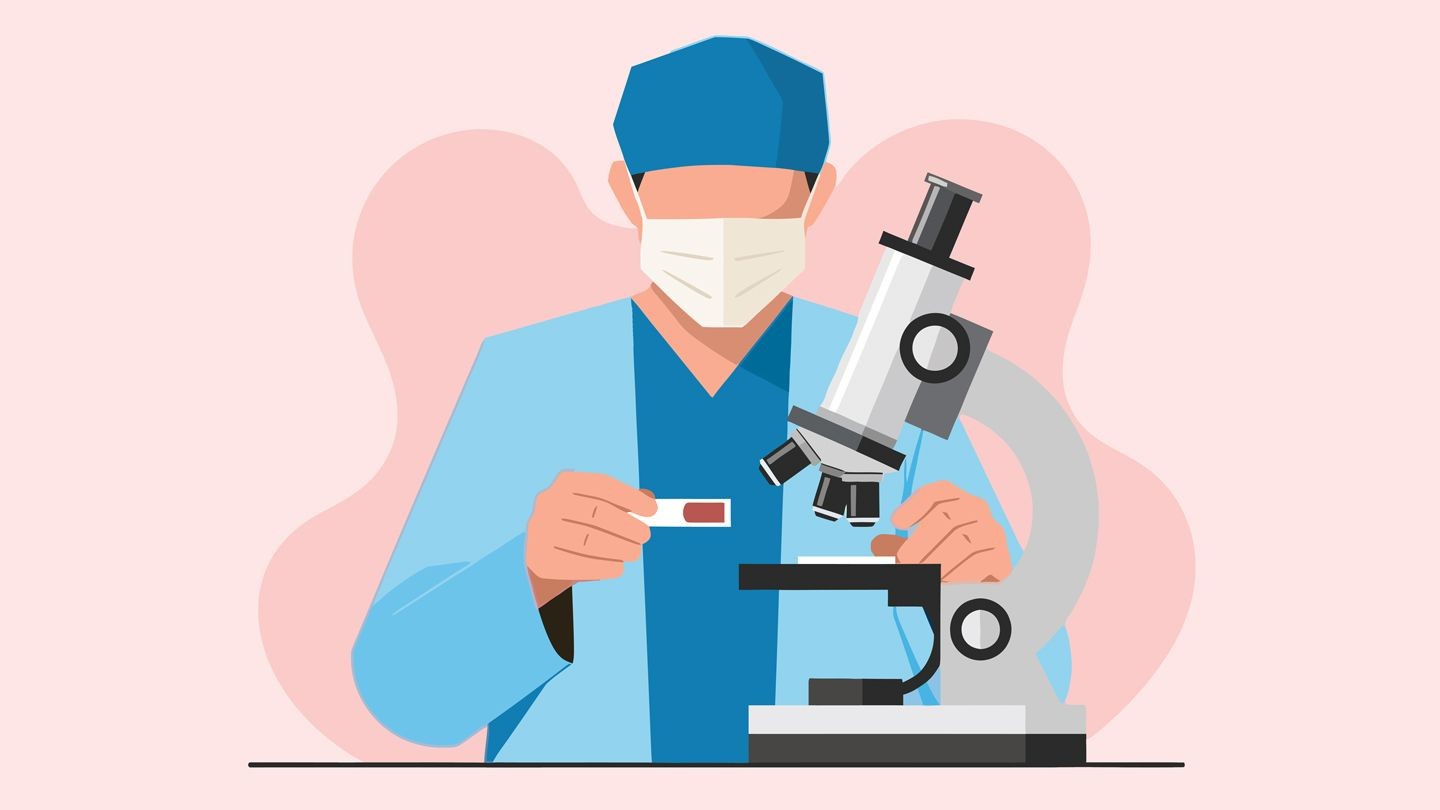
- Histological remission goes a step further, examining tissue biopsies under a microscope to determine if inflammation has resolved at the cellular level. This is the newest, and potentially most impactful, measurement.
Why Deeper Healing Matters
While symptom relief is vital, residual inflammation – even in the absence of noticeable symptoms – poses long-term risks. Chronic inflammation can drive abnormal cell growth, increasing the likelihood of dysplasia (precancerous cells) and ultimately, colon cancer. The Crohn’s & Colitis Foundation recommends regular colonoscopies for UC patients, especially those with long-standing or active inflammation, to monitor for these changes.
Emerging research also suggests histological healing may reduce relapse rates even in patients already in endoscopic remission. This means staying symptom-free for longer, and avoiding the cycle of flare-ups and treatments.
New Medications Driving Progress
Recent advances in medication are making histological healing increasingly achievable. Key treatments include:
- Biologics: Lab-engineered proteins that block inflammatory signals in the immune system.
- JAK Inhibitors: Drugs that block enzymes triggering inflammatory responses.
- S1P Modulators: Medications that prevent inflammatory white blood cells from entering the gut.
These treatments work at a cellular level, prompting some doctors to recommend starting with biologics rather than stepping up from traditional anti-inflammatories.
Challenges and Future Outlook
Currently, histological healing isn’t yet standard practice, largely due to the need for biopsies and limited insurance coverage. However, experts predict this will change as the benefits become clearer.
“Achieving symptom control is helpful, but being able to lower major health risks and staying out of the hospital is even better, and that’s what histological healing offers,” explains Rudolph Bedford, MD, a gastroenterologist at Providence Saint John’s Health Center.
Ultimately, the future of UC treatment lies in a paradigm shift: from simply managing symptoms to achieving true, lasting healing at the microscopic level.
Histological healing represents a fundamental step forward in UC management, potentially reducing long-term risks and improving quality of life for millions. The focus is moving beyond just feeling better to actually being better at a cellular level.