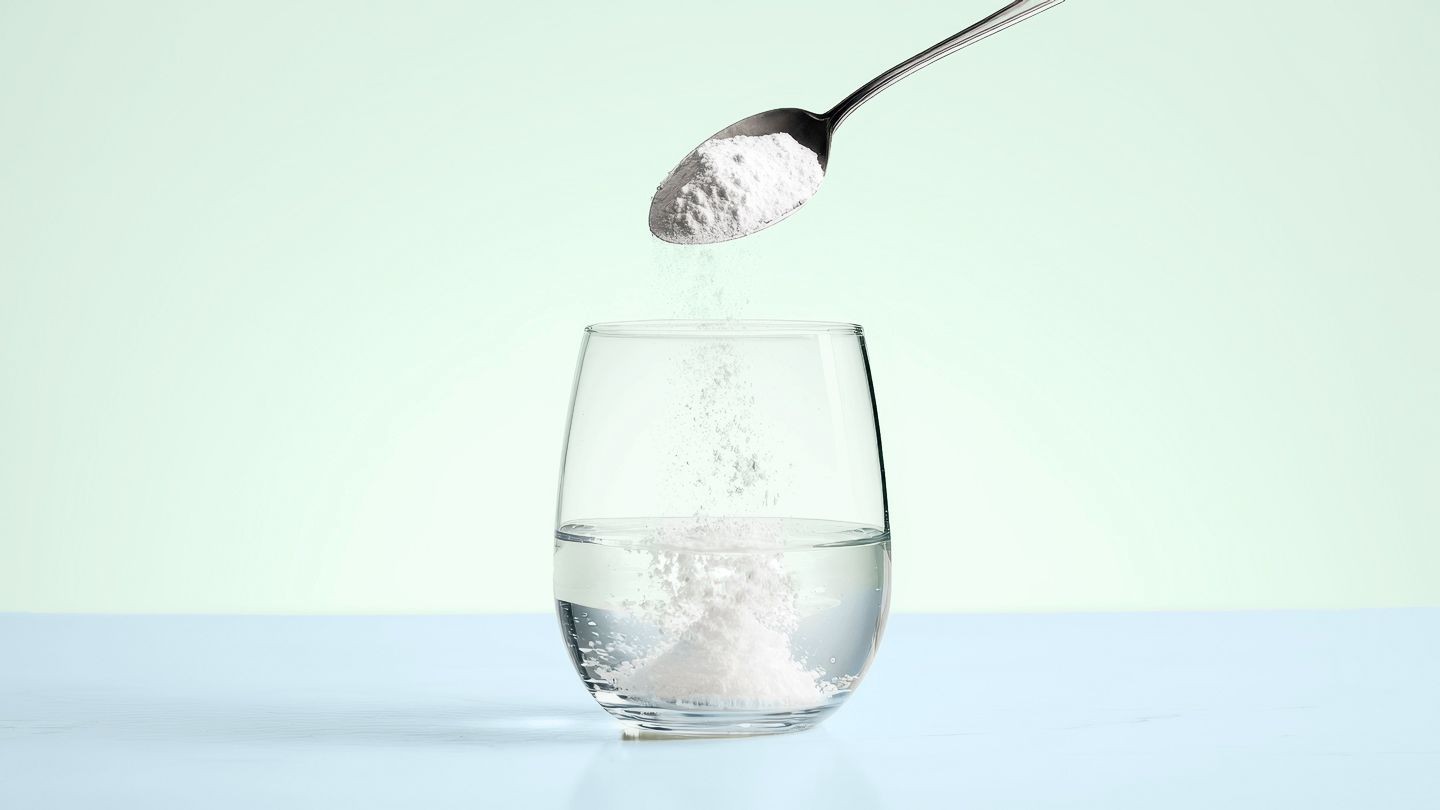
Baking soda – also known as sodium bicarbonate – has surged in popularity as a health hack, with claims ranging from athletic enhancement to detoxifying the body. While some of these uses have a scientific basis, many are overblown or unsupported by strong evidence. Here’s a clear breakdown of what the research actually says about drinking baking soda, and who should avoid it.
The Science-Backed Benefits
Despite the hype, baking soda isn’t a magical cure-all. However, it does have legitimate medical and performance-related applications:
- Athletic Performance: Studies show that sodium bicarbonate can improve performance in high-intensity exercise lasting between 45 seconds and 8 minutes. This is because it delays muscle fatigue by buffering acid buildup. However, results vary, and gastrointestinal side effects (nausea, diarrhea) are common.
- Indigestion & Heartburn Relief: Baking soda neutralizes stomach acid, providing fast but temporary relief from indigestion and heartburn. Over-the-counter antacids are safer and more reliable for these issues. Prolonged use is not recommended without a doctor’s advice.
- Oral Health: Toothpastes containing baking soda have been shown to improve plaque removal and gum health, likely due to its mild acid-neutralizing properties.
- Chronic Kidney Disease: In clinical settings, sodium bicarbonate can help correct metabolic acidosis (acid buildup) in people with chronic kidney disease. This is a medical treatment, not a DIY health fix.
The Wellness Myths Debunked
Many online claims about baking soda are unsubstantiated:
- Detoxing or pH Balancing: The idea that baking soda can “alkalize” the body is largely a myth. The body tightly regulates its pH balance, and drinking baking soda won’t significantly alter this.
- Kidney Cleanses: Baking soda is not a safe or effective way to “cleanse” the kidneys in healthy individuals.
Risks and Who Should Avoid It
Baking soda is high in sodium and can disrupt acid-base balance. It’s not suitable for everyone:
- Children and Pregnant Individuals: Avoid due to potential electrolyte imbalances.
- People with High Blood Pressure, Heart Failure, or Kidney Disease: Baking soda can worsen these conditions.
- Frequent Use: Prolonged consumption can lead to metabolic alkalosis (excessive alkalinity in the blood), which is dangerous.
The Bottom Line
Baking soda has limited, scientifically supported benefits for specific cases: short-term indigestion relief, high-intensity athletic performance, and medically supervised treatment for chronic kidney disease. The widespread wellness claims are largely overstated. If you’re experiencing chronic digestive issues, consult a doctor instead of relying on DIY remedies.