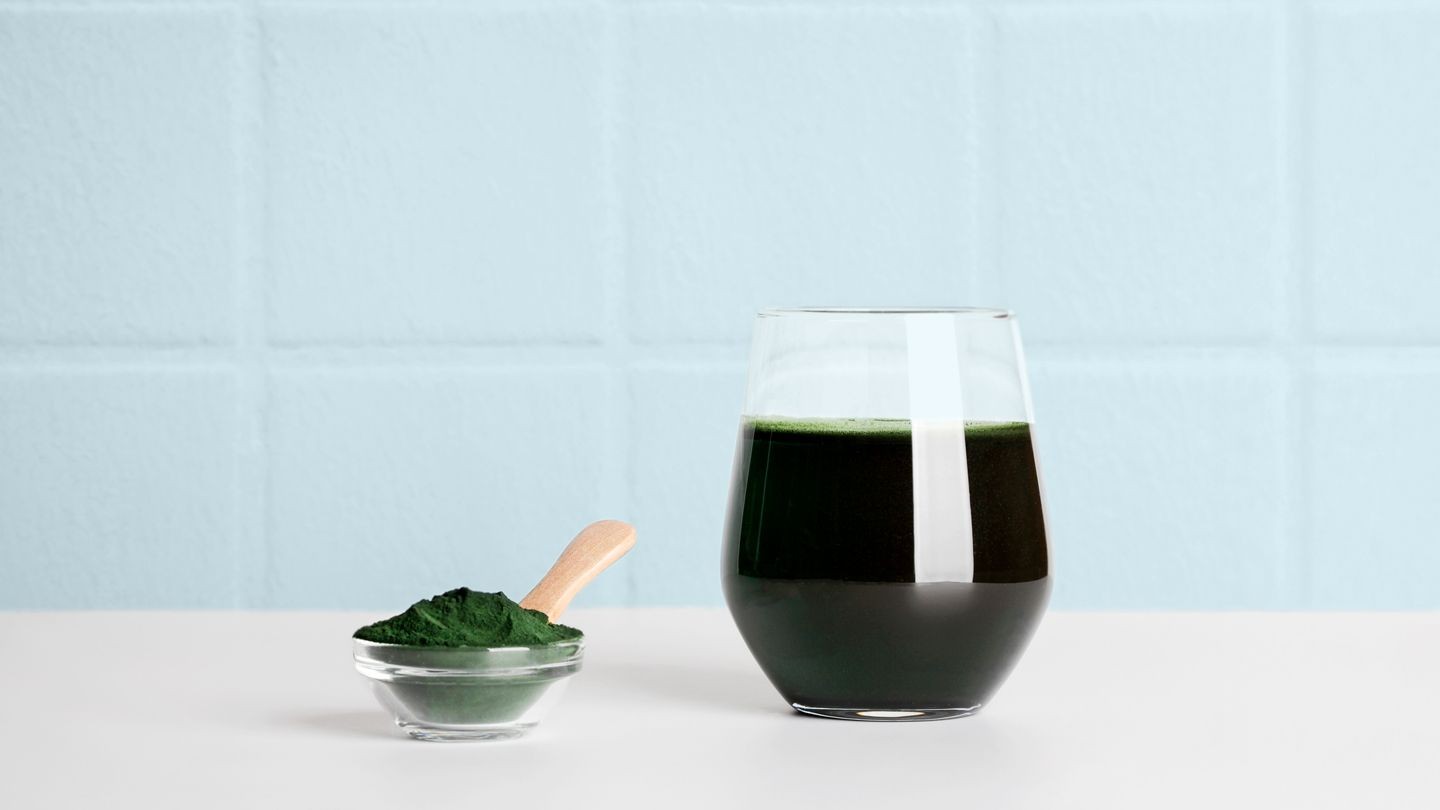
The vibrant green powders of chlorella and spirulina supplements may appear inherently healthy, but a closer look reveals potential risks alongside their nutritional benefits. These algae-based supplements are rich in protein, vitamins, and antioxidants, but consumers should be aware of possible side effects, contamination concerns, and interactions with existing health conditions or medications.
What Are Chlorella and Spirulina?
Chlorella (Chlorella vulgaris ) is a freshwater algae often touted for its dense nutrient profile, particularly vitamin D2, B12, folate, and iron—nutrients often lacking in plant-based diets. Spirulina, a blue-green algae thriving in salty waters, offers a similar range of nutrients, including iron, beta-carotene, and various B vitamins. Both have been promoted for potential immune system support, metabolic benefits, and antioxidant properties.
However, the exact nutritional composition can vary significantly between supplements. This variability is a key reason why consulting a healthcare professional before use is crucial.
Potential Side Effects and Health Concerns
While generally considered safe by the FDA, both chlorella and spirulina can trigger adverse reactions in some individuals.
Chlorella may cause mild digestive issues like nausea, diarrhea, cramping, or gas, especially when introduced too quickly or in high doses. Its complex carbohydrate content (polysaccharides) can ferment in the gut, leading to bloating. Rare cases of kidney irritation (tubular nephritis) have been reported, potentially due to the algae’s high mineral content, posing a greater risk for those with pre-existing kidney conditions. Allergic reactions, including asthma and anaphylaxis, are also possible, particularly in children. Photosensitivity – increased skin sensitivity to sunlight – is another potential side effect.
Spirulina can also cause stomach upset or headaches, though these effects are less common when consumed in small amounts. More serious concerns revolve around potential contamination.
The Risk of Contamination and Toxicity
The primary threat associated with chlorella and spirulina supplements is contamination. Studies have found trace amounts of heavy metals (aluminum, mercury, nickel, lead) in commercially available products. While levels may fall within regulatory limits, cumulative exposure over time can harm the kidneys, nervous system, and gastrointestinal tract.
Spirulina, grown in open ponds, carries a risk of bacterial and toxin contamination, including dangerous levels of microcystin. One case study linked spirulina consumption to liver damage, though this remains rare. The potential for liver strain from repeated toxin exposure is real, as the liver may struggle to process contaminants effectively.
Who Should Avoid These Supplements?
Certain individuals should avoid chlorella and spirulina due to potential interactions or adverse effects:
- Warfarin users: Chlorella’s vitamin K content can interfere with blood-thinning effects.
- Allergy sufferers: Those sensitive to mold or pollen may react to chlorella.
- Phenylketonuria (PKU) patients: Spirulina contains phenylalanine, which can cause brain damage or seizures in those with PKU.
- Pregnant or lactating women: Due to increased detoxification demands, potential contaminants pose a greater risk to the fetus or infant.
Conclusion
Chlorella and spirulina can be beneficial supplements for healthy adults, but their use requires careful consideration. Always consult a healthcare provider before starting these or any new supplements, especially if you have underlying health conditions or take medications. Prioritize third-party-tested products to minimize contamination risks, and adhere to recommended dosages to avoid adverse effects.