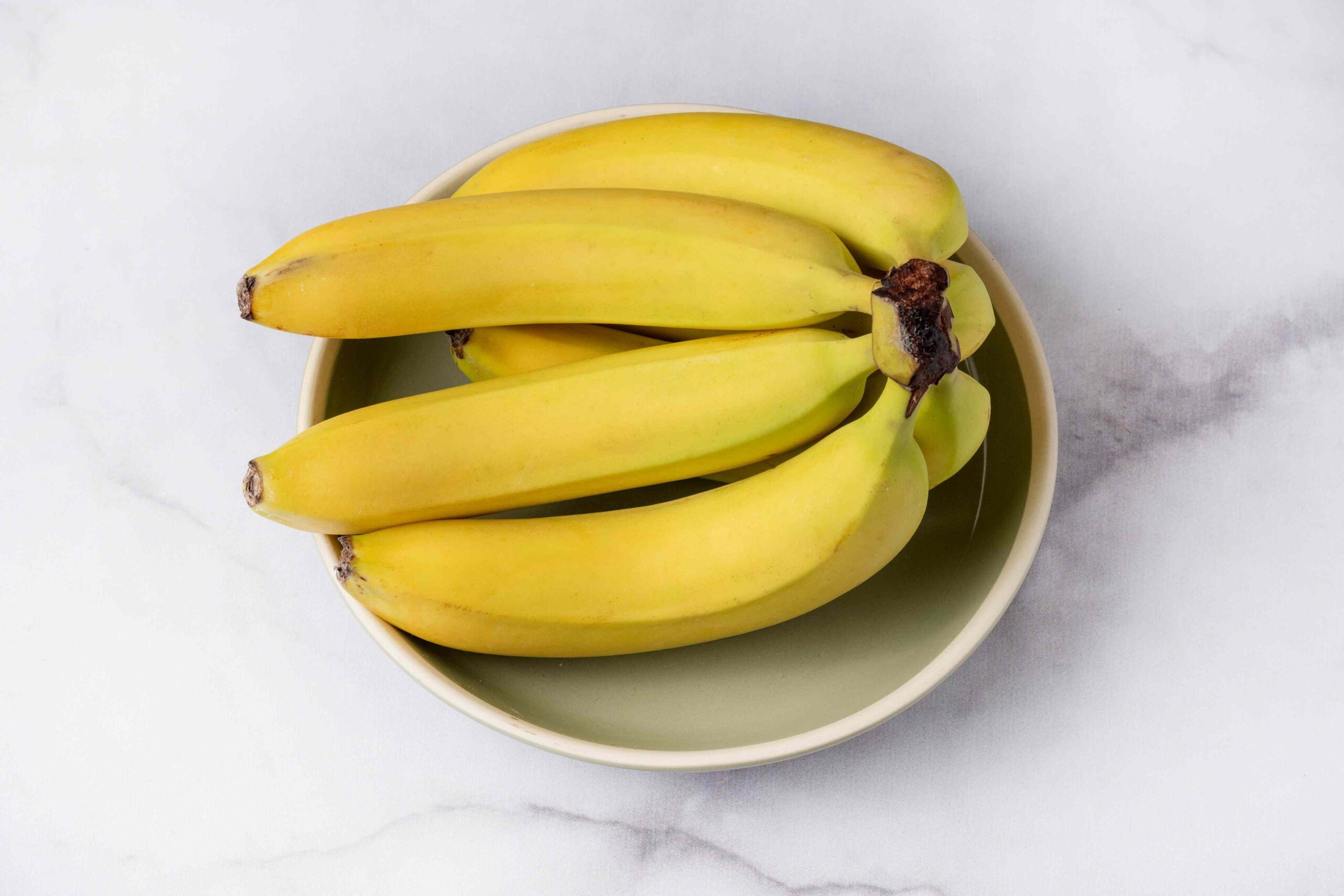
Bananas are a convenient and nutritious snack, but their impact on blood sugar varies significantly based on how ripe they are. Understanding this difference is crucial, especially for individuals managing blood glucose levels. The key factor is how the fruit’s starch content changes during ripening, affecting how quickly sugar enters the bloodstream.
The Glycemic Index and Ripeness
The glycemic index (GI) measures how quickly a food raises blood sugar on a scale of 0–100. A just-ripe banana – yellow with a slight green tip – typically has a GI of around 51, indicating a slower rise in blood sugar. As the banana ripens, developing brown spots, the GI increases to approximately 58, moving it into the medium-range.
This shift happens because ripening breaks down starches into simple sugars. Simple sugars are absorbed faster than complex starches, leading to a quicker glucose spike. Additionally, fiber content decreases with ripening: fiber slows digestion and moderates blood sugar increases, meaning an overripe banana affects blood glucose faster than a less-ripe one.
Why Bananas Impact Blood Sugar
All bananas contain carbohydrates, which the body converts into glucose. In unripe bananas, these carbs are primarily starch. Even though this starch is broken down into sugar, it takes longer, resulting in a more gradual rise in blood sugar. Riper bananas have more free sugars, so glucose enters the bloodstream faster.
Managing Blood Sugar with Bananas
Several strategies can help minimize blood sugar spikes when eating bananas:
- Choose less-ripe fruit: Select bananas that are mostly yellow with green tips for lower sugar content and higher fiber.
- Portion control: Opt for smaller bananas or eat only half at a time. A medium banana (7–8 inches) contains roughly 26 grams of carbs.
- Combine with protein/fat: Pair your banana with peanut butter, nuts, or Greek yogurt to slow digestion and stabilize blood sugar.
- Space out consumption: Instead of eating an entire banana in one sitting, split it into smaller portions throughout the day.
For Individuals with Diabetes
If you have diabetes, the number of bananas you can safely consume depends on your daily carbohydrate goals as recommended by your healthcare provider. One medium banana represents nearly an entire snack’s worth of carbs for many people with diabetes, so careful planning is essential.
The way you eat a banana is just as important as the banana itself. By making mindful choices about ripeness and pairing it with other foods, you can enjoy this healthy snack without compromising blood sugar control.