For women of reproductive age, emotional fluctuations are a regular part of life. One day you might feel energetic and capable, the next, irritable, fatigued, or even tearful. These shifts aren’t random; they’re largely driven by predictable hormonal changes throughout the menstrual cycle.
Understanding the Hormonal Cycle
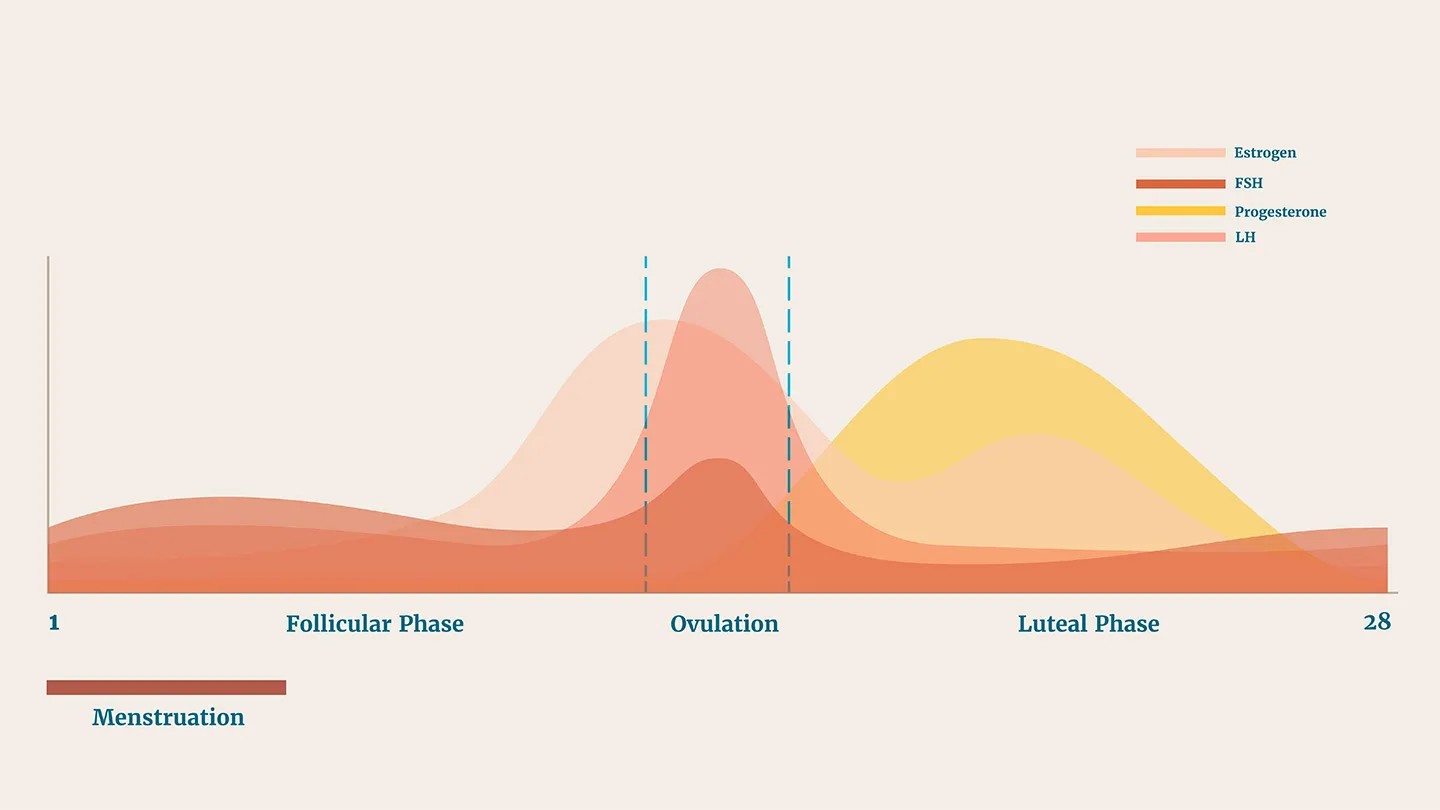
Fluctuations in estrogen, progesterone, cortisol, and serotonin orchestrate these emotional patterns. The cycle is divided into four main phases, each with distinct effects on mood and energy.
The Menstrual Phase: Low Energy and Mood
This phase begins with the first day of menstruation, when the uterine lining sheds. Bleeding typically lasts three to five days, accompanied by hormonal shifts. Lower energy levels and mood swings are common. Research shows that women with heavier periods are more likely to experience depressive feelings during this time, highlighting a clear connection between physical symptoms and emotional well-being.
The Follicular Phase: Rising Energy and Positivity
Starting alongside menstruation, the follicular phase lasts 14 to 21 days. Follicle-stimulating hormone (FSH) promotes reproductive development, but the key mood booster is rising estradiol (the most potent form of estrogen). This phase often brings increased energy, sociability, and mental clarity.
Serotonin levels also increase, contributing to improved mood and even a greater interest in physical activity. Studies confirm that women tend to experience more positive emotions during the late follicular phase than negative ones like anger.
The Ovulatory Phase: Peak Estrogen and Desire
Around the 14th day of the cycle, estrogen levels peak, triggering the release of luteinizing hormone (LH). This prompts the ovaries to release an egg. Many women report feeling happier, more attractive, and sexually desirable during ovulation. Testosterone also rises, enhancing mood and energy further.
This timing isn’t coincidental; it’s believed to have a biological basis, increasing the likelihood of sexual activity and pregnancy.
The Luteal Phase: PMS and Progesterone’s Role
The final phase involves increasing progesterone levels to prepare the body for a possible pregnancy. If fertilization does not occur, progesterone levels drop, leading to PMS symptoms such as mood swings, irritability, and bloating.
Managing Mood Swings
Hormonal fluctuations are a natural part of the menstrual cycle, influencing energy, emotions, appetite, and stress response. While each phase has its emotional pattern, lifestyle changes can help stabilize mood:
- Prioritize sleep: Adequate rest is crucial for hormonal balance.
- Eat a healthy diet: Proper nutrition supports overall well-being.
- Stay physically active: Exercise boosts serotonin and endorphins.
If these methods aren’t enough, consult a doctor to discuss potential treatment options for severe PMS.
Conclusion
Hormonal shifts throughout the menstrual cycle are a fundamental aspect of women’s health, directly influencing emotional states and energy levels. Understanding these changes can help women anticipate and manage mood swings, improving overall well-being.