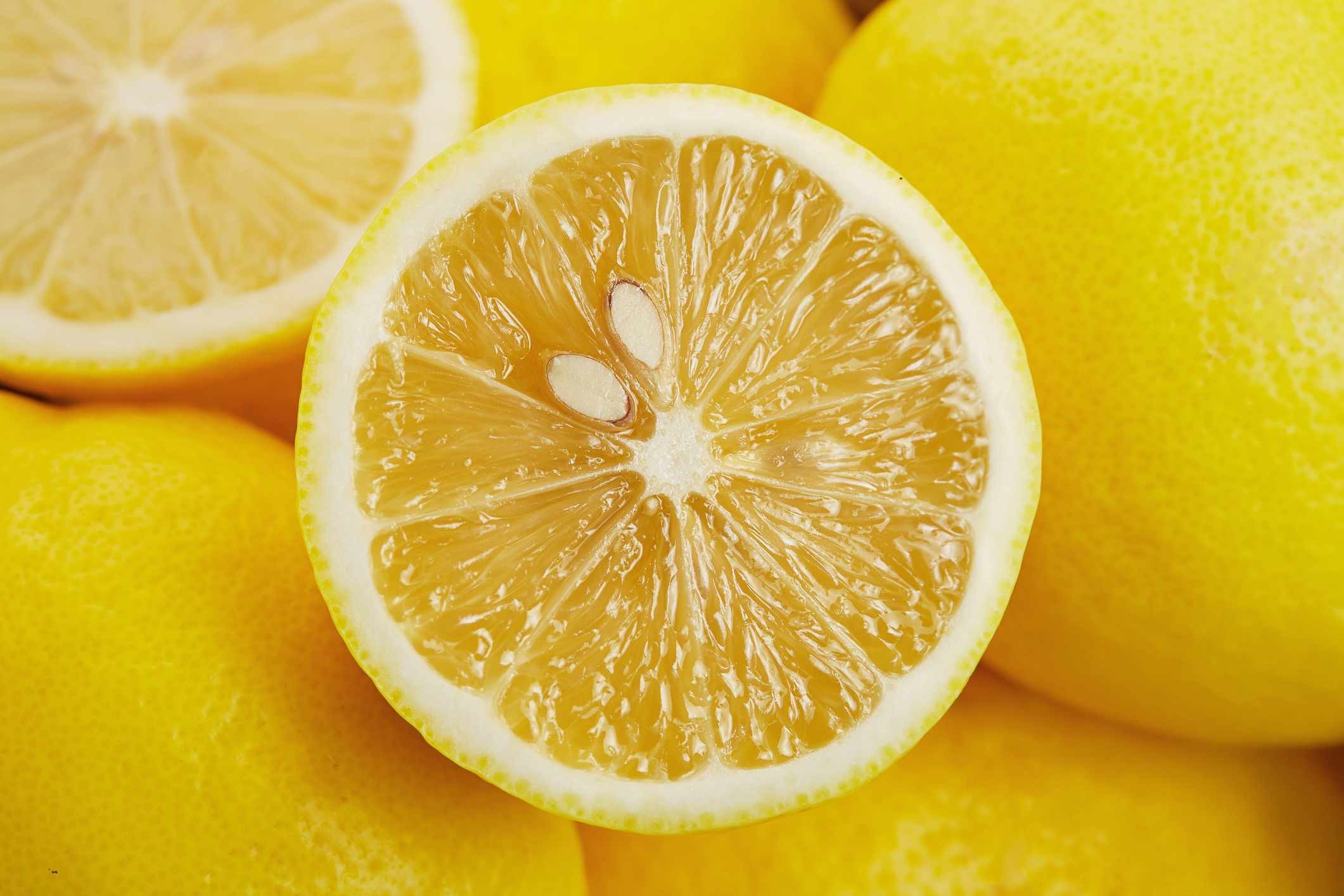
Lemons are a staple in many kitchens, prized for their bright flavor and high vitamin C content. But not all lemons are created equal. Selecting a ripe, juicy lemon requires knowing what to look for beyond just color. This guide breaks down five key steps to ensure you always pick the best fruit, plus how to store it for maximum freshness.
Bright Yellow Color: The First Clue
The most obvious sign of a good lemon is its color. Opt for lemons with a vibrant, bright yellow peel. While some green hints are acceptable, especially if the lemon hasn’t fully ripened, a predominantly yellow hue indicates peak juice content. Avoid lemons with dull, bronze-like coloring, as these are likely past their prime.
Be wary of excessive bruising, dark spots, or red splotches – these suggest decay or damage.
Texture Tells All: The Skin’s Story
A ripe lemon should have smooth, thin, and shiny skin. Rough, wrinkled, or overly bumpy peels are signs of dryness. Deep scars on the peel should also be avoided, as they can indicate damage beneath the surface. A slight firmness is ideal; avoid lemons with soft spots, as this suggests mushiness inside.
The Squeeze Test: Firmness Matters
Gently squeeze the lemon in your hand. A good lemon will “bounce back” slightly, indicating firm flesh. If it feels overly soft or spongy, it’s likely overripe or drying out. Thin-skinned lemons may feel softer, but they shouldn’t collapse under pressure.
Weight as an Indicator: Heavier Means Juicier
Hold two similarly sized lemons and compare their weight. The heavier lemon is usually the juicier one. Weight correlates with the amount of liquid inside, making this a simple yet effective test.
Seasonality: Winter is Best
Lemons grown in warm climates like California, Arizona, and Florida peak in flavor during the winter months. Buying in season means you’ll get the most flavorful fruit, as lemons are more abundant and often cheaper during this time.
Storing Lemons for Maximum Freshness
Once you’ve picked the perfect lemons, proper storage keeps them usable longer.
- Countertop: Lemons can sit at room temperature for up to two weeks.
- Refrigerator: Store in a mesh or unsealed plastic bag to prevent moisture buildup. Refrigerated lemons can last up to six weeks.
- Washing: Only wash lemons when ready to use, as washing removes their natural protective coating.
- Cut Lemons: Use immediately after cutting.
- Juice Preservation: Freeze juice in ice cube trays for easy use.
- Zest Preservation: Grate zest, dry thoroughly, and store in an airtight container.
By following these steps, you can ensure every lemon you buy is perfectly ripe, flavorful, and ready to use.
Choosing the right lemon isn’t just about taste; it’s about maximizing the nutritional value and flavor potential of this versatile fruit. Paying attention to these details transforms a simple purchase into a culinary advantage.