Many factors contribute to oily skin, but diet plays a surprisingly significant role. While genetics and hormones are key, what you eat can either worsen or improve sebum production, which is the natural oil that can clog pores and lead to acne. This isn’t about eliminating entire food groups but understanding how certain dietary patterns impact skin health.
The Four Main Dietary Culprits
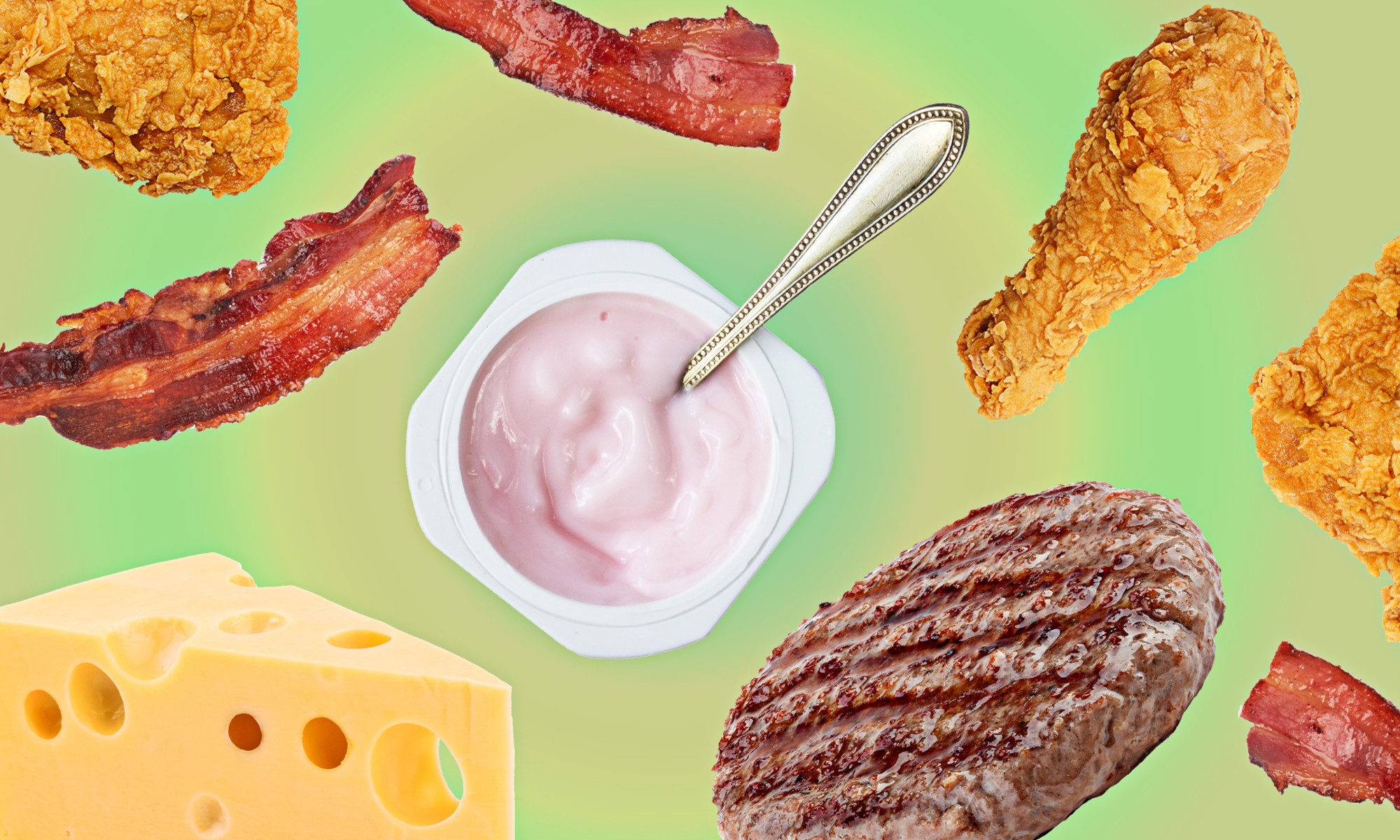
Western diets are often high in foods that can exacerbate oily skin. Here’s what to watch out for:
- Unhealthy Vegetable Oils: The typical Western diet features a skewed ratio of omega-6 to omega-3 fatty acids (often 10-20:1, compared to the ideal 2-3:1). Excess omega-6s can fuel inflammation, potentially worsening acne. This isn’t about avoiding all vegetable oils, but prioritizing omega-3 sources like fatty fish to balance the ratio.
- High-Glycemic Foods (Sugar and Refined Carbs): Sugary drinks, white bread, and processed snacks cause rapid blood sugar spikes. This triggers insulin release, which in turn stimulates androgen production (hormones linked to increased sebum) and can accelerate skin cell turnover, potentially worsening acne.
- Dairy (Potentially): While not a universal trigger, dairy may contribute to acne in some individuals. The amino acids in milk can also increase insulin and IGF-1 levels, similar to high-glycemic foods. Some studies link higher milk intake to increased acne prevalence, but individual tolerance varies.
- Greasy Foods (Indirectly): Eating greasy foods doesn’t directly cause oil production, but touching your face while eating them or exposure to greasy environments can clog pores. This is about physical contamination rather than a dietary effect.
The Four Food Groups That Help Balance Skin Oil
To improve skin health from the inside out, focus on these four categories:
- Omega-3 Fatty Acids: Increase intake of fatty fish (salmon, mackerel, sardines) to balance the omega-6 to omega-3 ratio. Omega-3s are anti-inflammatory and may reduce acne severity.
- Gamma Linolenic Acid (GLA): This omega-6 fatty acid is different from the pro-inflammatory kind. GLA, found in evening primrose seeds, borage oil, and hemp hearts, may improve skin hydration and reduce inflammation.
- Probiotic-Rich Foods: The gut-skin axis is real. Probiotics from fermented foods like yogurt, kefir, and kimchi can positively impact skin health by modulating gut bacteria, which influences inflammation and cell turnover.
- Prebiotic-Rich Foods: Prebiotics fuel beneficial gut bacteria. Include asparagus, bananas, and chicory root in your diet to support a healthy gut microbiome, further promoting skin balance.
Why This Matters
The link between diet and skin health is increasingly clear. While topical treatments are essential, addressing internal imbalances through nutrition can yield significant results. The modern Western diet, often high in processed foods and low in essential nutrients, contributes to inflammation and hormonal imbalances that impact skin oil production.
The Bottom Line
Oily skin isn’t solely a surface-level problem. While individual responses vary, prioritizing whole foods, healthy fats, and gut health can significantly improve skin balance and reduce acne. It’s not about eliminating foods entirely but making informed choices that support overall health, including the health of your skin.