




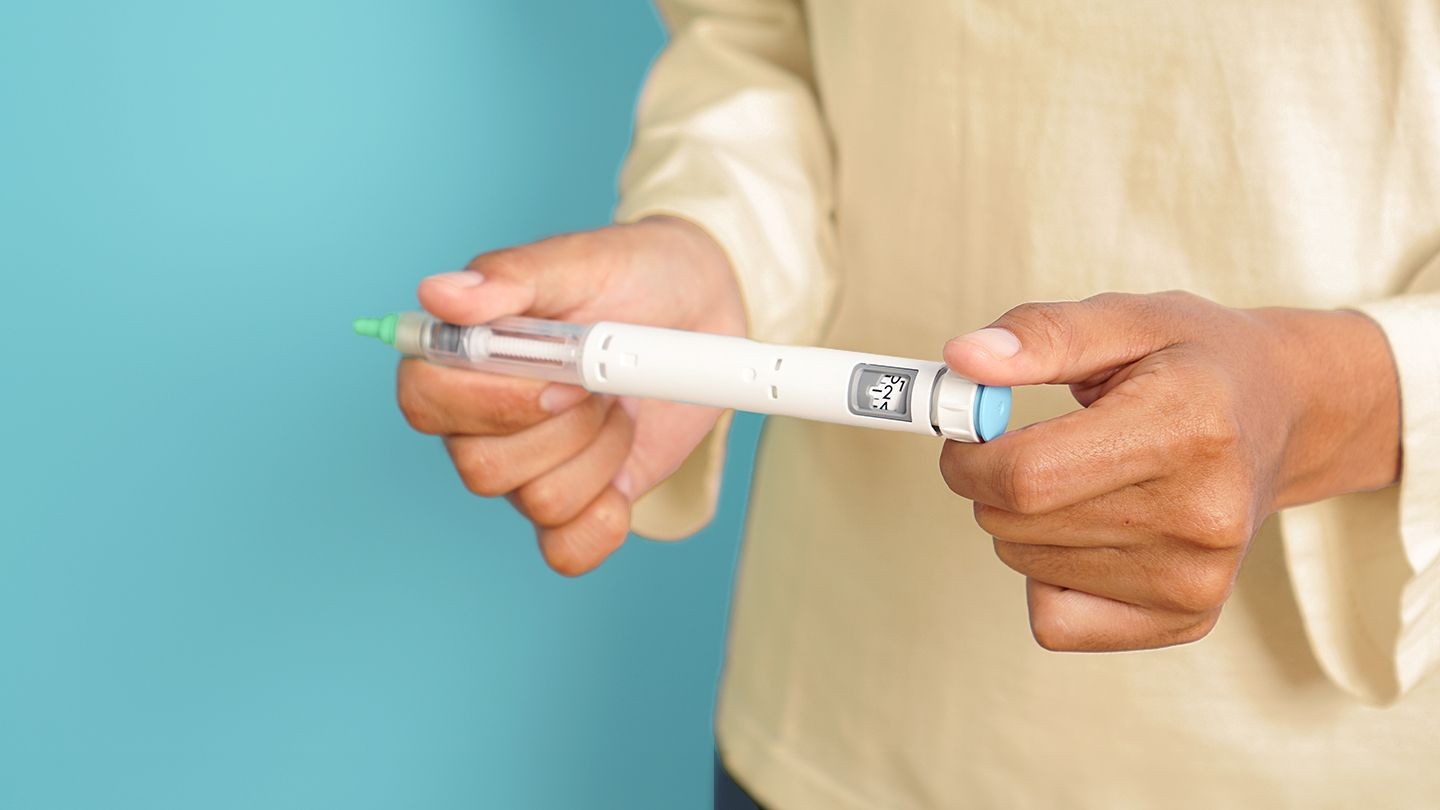
For individuals with type 1 or type 2 diabetes relying on insulin, proper administration is not just important—it’s critical for health. Incorrect dosing or technique can lead to dangerously high or low blood sugar levels, with serious consequences. This guide breaks down the essential “dos and don’ts” of insulin use, ensuring you maximize effectiveness while minimizing risks.
Timing and Technique: Getting It Right
Mealtime Insulin: Short- or rapid-acting insulin should be administered around 15 minutes before eating. This allows the insulin to begin working as glucose enters the bloodstream from carbohydrates. The body naturally anticipates food by releasing insulin early; matching this process improves control. Integrating insulin administration with existing routines (like brushing your teeth or making coffee) can help establish consistency. Always follow your healthcare provider’s specific instructions.
Injection Site Rotation: Repeated injections in the same location can cause lipohypertrophy—a buildup of fat and scar tissue that disrupts insulin absorption. Rotate injection sites (abdomen, thighs) weekly, or change specific spots daily within a body area. For intermediate-acting or premixed insulin, stick to one area but vary the exact injection point.
Blood Sugar Checks First: Always check blood glucose before injecting. Low readings may mean skipping or reducing the dose; high readings may require a correction. Insulin dosing is also influenced by activity levels and food intake. Exercise, for example, can reduce insulin needs. Consult your provider for personalized adjustments.
Essential Precautions: Avoiding Mistakes
Never Reuse Needles: Using a fresh, sharp needle with each injection is non-negotiable. Dull needles cause pain, increase the risk of lipohypertrophy, and raise infection potential. Sharing needles poses severe health risks, including viral transmission.
Carbohydrate Counting: Insulin doses are often tied to carbohydrate intake through an insulin-to-carb ratio. Understanding the carb content of foods is key to accurate dosing. This ratio isn’t fixed; it can vary based on activity, time of day, or hormonal cycles. Experimentation with a healthcare professional is crucial to determine individual needs.
Subcutaneous Injections Only: Insulin must be injected into the fat layer just beneath the skin (subcutaneous tissue), not into muscle or blood vessels. Muscle injection causes erratic absorption. Pinching the skin or using a 45-degree angle ensures correct placement.
Safety Measures: Beyond the Injection
Educate Those Around You: Severe hypoglycemia (low blood sugar) can render you unable to self-treat. Teach family, friends, and coworkers about recognizing and responding to a hypoglycemic emergency (slurred speech, disorientation, unconsciousness). Ensure they know how to administer emergency glucagon and call for help if needed.
External Factors Matter: Blood sugar is affected by more than just food. Stress, illness, medications (like steroids), menstruation, and dehydration can all influence glucose levels. Adjust insulin accordingly.
Proper Storage: Extreme temperatures can damage insulin’s effectiveness. Avoid direct sunlight or storing it in hot cars. Do not freeze insulin.
In conclusion, safe and effective insulin use requires consistent technique, accurate dosing, and awareness of external factors. Prioritizing education, proper storage, and emergency preparedness protects your health and ensures you get the most from this life-saving medication.