The United States is on the verge of losing its measles elimination status after decades of success, signaling a deeper crisis within the nation’s public health infrastructure. The current surge in cases isn’t just a medical challenge; it’s a direct consequence of systemic failures, political interference, and rampant misinformation.
The Breakdown of Public Health Leadership
The situation escalated following the abrupt firing of CDC Director Dr. Susan Monarez by President Trump, prompting resignations from key officials like Dr. Demetre Daskalakis, former director of the CDC’s National Center for Immunization and Respiratory Diseases. Daskalakis bluntly stated that “elimination is already lost,” and that the current administration has damaged the public health system “potentially beyond repair.”
This leadership vacuum coincided with a broader dismantling of public health resources, including cuts to Medicaid enrollment, as highlighted by Hawaii Governor Josh Green. Green fears that this erosion of trust in vaccines and research will render the next pandemic far more devastating than COVID-19.
The Role of Misinformation
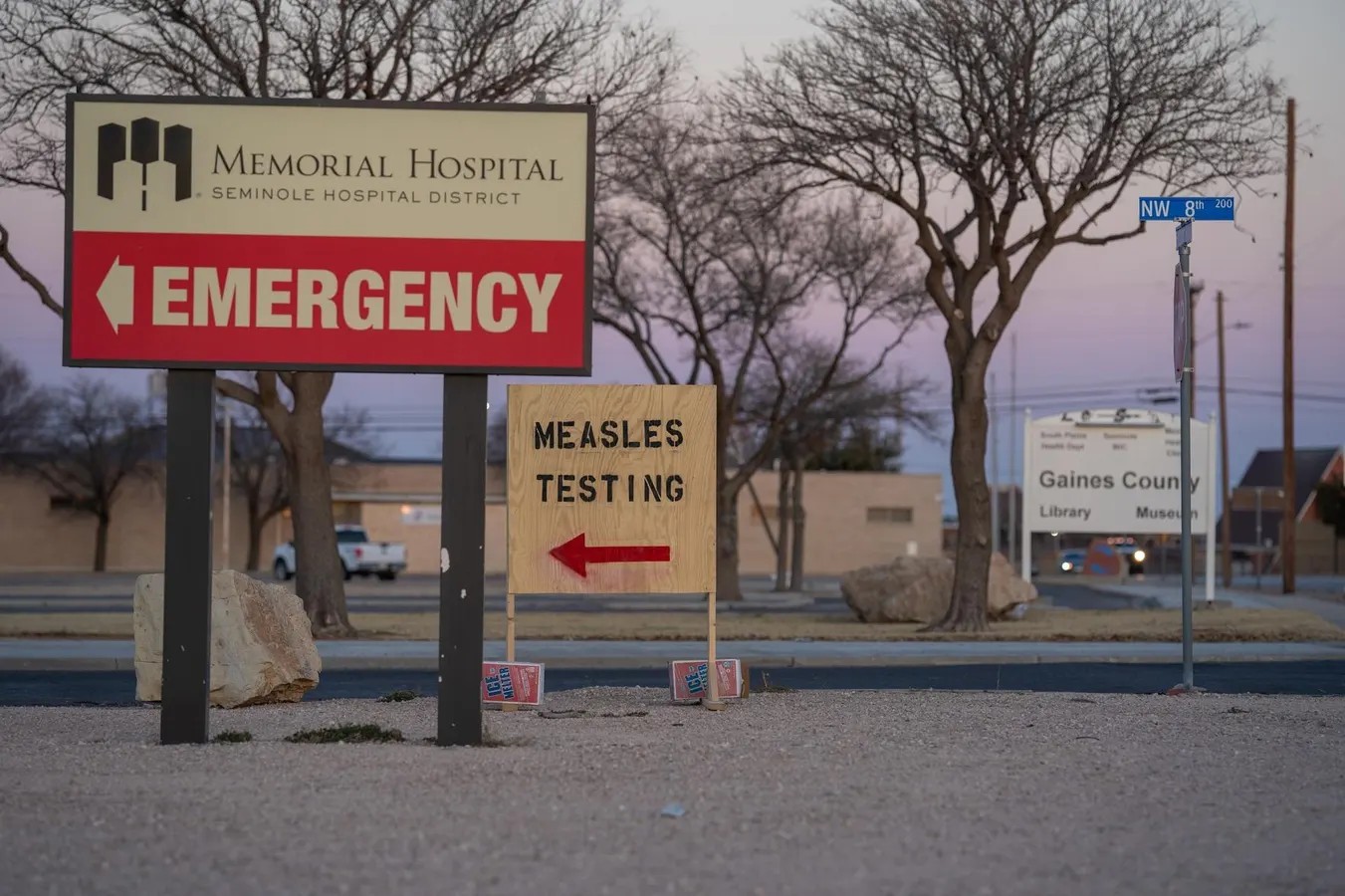
The measles resurgence is fueled by organized disinformation campaigns. Robert F. Kennedy Jr., in particular, has promoted unverified treatments like inhaled steroids and antibiotics as alternatives to the MMR vaccine, falsely claiming the vaccine is ineffective or contains harmful substances. This misinformation has taken root in vulnerable communities, such as an Orthodox Jewish community in New York and parts of Texas, where outbreaks are now occurring.
The spread of such falsehoods is not just irresponsible; it’s actively dangerous. Measles is highly contagious, with each infected person capable of infecting 12–18 others. The virus remains infectious in the air for hours, and maintaining herd immunity requires 95% vaccination coverage.
The Rising Costs of Outbreaks
The economic impact of measles outbreaks is significant. Researchers estimate that a single outbreak costs over $36 million for 2,242 confirmed cases in 2025, and even more if accounting for underreporting. These costs include initial investigations, contact tracing, quarantine measures, and emergency vaccinations. This dwarfs the cost of preventative vaccination.
Dr. Annie Andrews, a South Carolina pediatrician running for Senate, detailed the practical consequences of declining immunization rates: triage patients in their cars to prevent in-office spread, and constant questioning of patients about their vaccination status. The economic impact on tourism-dependent states is also a growing concern.
Personal Toll and Systemic Failures
The human cost of measles outbreaks is severe. Cases have surged to levels not seen since 1991, with 93% of infections occurring among the unvaccinated. In 2025, over 2,200 cases were confirmed, leading to an 11% hospitalization rate and three deaths. Stories like that of Therese, whose sister was left intellectually disabled by measles-induced encephalitis, illustrate the lasting devastation these outbreaks can cause.
The current administration’s approach, as articulated by CDC official Ralph Abraham, frames parental refusal to vaccinate as a matter of “personal freedom.” This ignores the risk to infants too young for vaccination and immunocompromised individuals. The current trajectory suggests that if public health is treated as a business, losing measles elimination is merely “the cost of doing business.”
The U.S. is at a critical juncture. Sustained action is needed to rebuild trust in vaccines, reinforce public health infrastructure, and combat the spread of dangerous misinformation. Without these changes, the resurgence of measles is not an anomaly but a symptom of a failing system.