Xylitol, a sugar alcohol found naturally in fruits like plums and raspberries, has emerged as a significant alternative to traditional sugar. First isolated from birch bark in 1890, this low-calorie sweetener is now approved for use in over 35 countries, including the United States. Its rising popularity stems from its unique properties: it doesn’t spike blood sugar and actively fights tooth decay, making it a valuable tool for health-conscious consumers and those managing metabolic conditions.
Dental Health: Xylitol’s Core Benefit
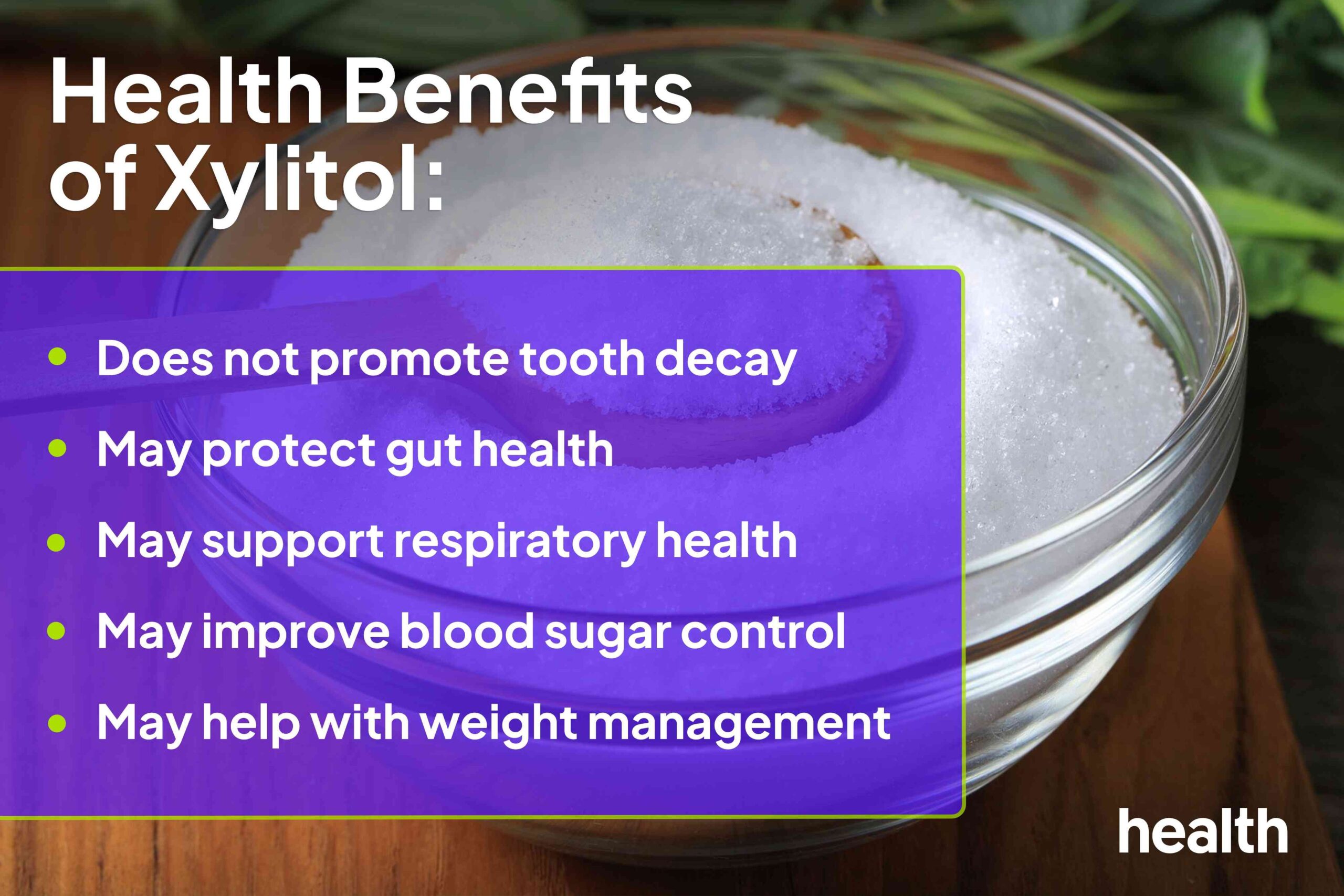
The most well-documented benefit of xylitol is its ability to prevent cavities. Unlike sucrose (table sugar), xylitol does not feed harmful oral bacteria. Instead, it inhibits their growth, reduces mouth acidity, and stimulates saliva production – a natural defense against tooth decay. Studies show that using fluoride toothpaste with 10% xylitol can reduce cavities by up to 13% compared to fluoride alone. This makes xylitol a key ingredient in sugar-free gums, mints, and toothpastes, offering a proactive approach to oral care.
Gut Health and Beyond: Emerging Research
Xylitol doesn’t stop at dental benefits. It acts as a prebiotic, nourishing beneficial gut bacteria while remaining largely undigested in the colon. This promotes a healthy microbiome, potentially leading to improved immune function and even reducing the risk of colon cancer through the production of short-chain fatty acids (SCFAs).
Emerging research suggests additional benefits:
- Respiratory Health: Studies show xylitol nasal irrigations may speed recovery after sinus surgery and reduce symptoms.
- Blood Sugar Control: As a non-glycemic sweetener, xylitol doesn’t raise blood sugar levels, making it a suitable sugar substitute for individuals with diabetes.
- Weight Management: With fewer calories than sugar (2.4 vs. 4 per gram), xylitol can support calorie restriction, and some evidence suggests it may even influence appetite hormones, promoting satiety.
Potential Risks and Considerations
While generally safe, xylitol isn’t without its downsides. High doses (over 20 grams) can cause digestive distress, including bloating, gas, and diarrhea. Pregnant or breastfeeding individuals should exercise caution due to limited research.
Crucially, xylitol is highly toxic to dogs, causing rapid hypoglycemia and potentially fatal consequences. Owners should keep xylitol-containing products strictly out of reach.
Where to Find Xylitol
Xylitol is incorporated into a growing range of products:
- Sugar-free gum, mints, and lozenges
- Toothpaste and mouthwash
- Baked goods and desserts
- Cough syrups and OTC medications
- Children’s and adult chewable vitamins
- Certain nut butters and dietary supplements
Smart Consumption: Maximizing Benefits, Minimizing Risks
To enjoy xylitol safely and effectively:
- Consume it with meals to reduce digestive issues.
- Limit intake of xylitol-sweetened beverages, as they are easy to overconsume.
- Pair it with fiber-rich foods to mitigate potential laxative effects.
- Individuals can generally tolerate 10-30 grams daily without side effects, but tolerance varies.
In conclusion: Xylitol presents a compelling alternative to sugar, offering significant dental and potential systemic health benefits. However, responsible consumption – mindful of dosage and pet safety – is paramount to harnessing its advantages without adverse effects.