
Cooking oils are essential for a healthy diet, but not all fats are created equal. Choosing the right oil can improve your health and lower your risk of heart disease. Here’s a breakdown of the best and worst cooking oils, backed by expert advice and recent research.
Why Oils Matter
Fats are an essential nutrient that supports cell growth and aids in nutrient absorption. Our bodies need fats to absorb vitamins A, D, E, and K, along with beta-carotene. However, the type of fat matters significantly. The goal is to prioritize oils rich in monounsaturated and polyunsaturated fats, while limiting saturated and avoiding artificial trans fats.
For those following a 2,000-calorie diet, daily oil intake should be capped at around 6 teaspoons (27 grams).
The 8 Healthiest Cooking Oils
-
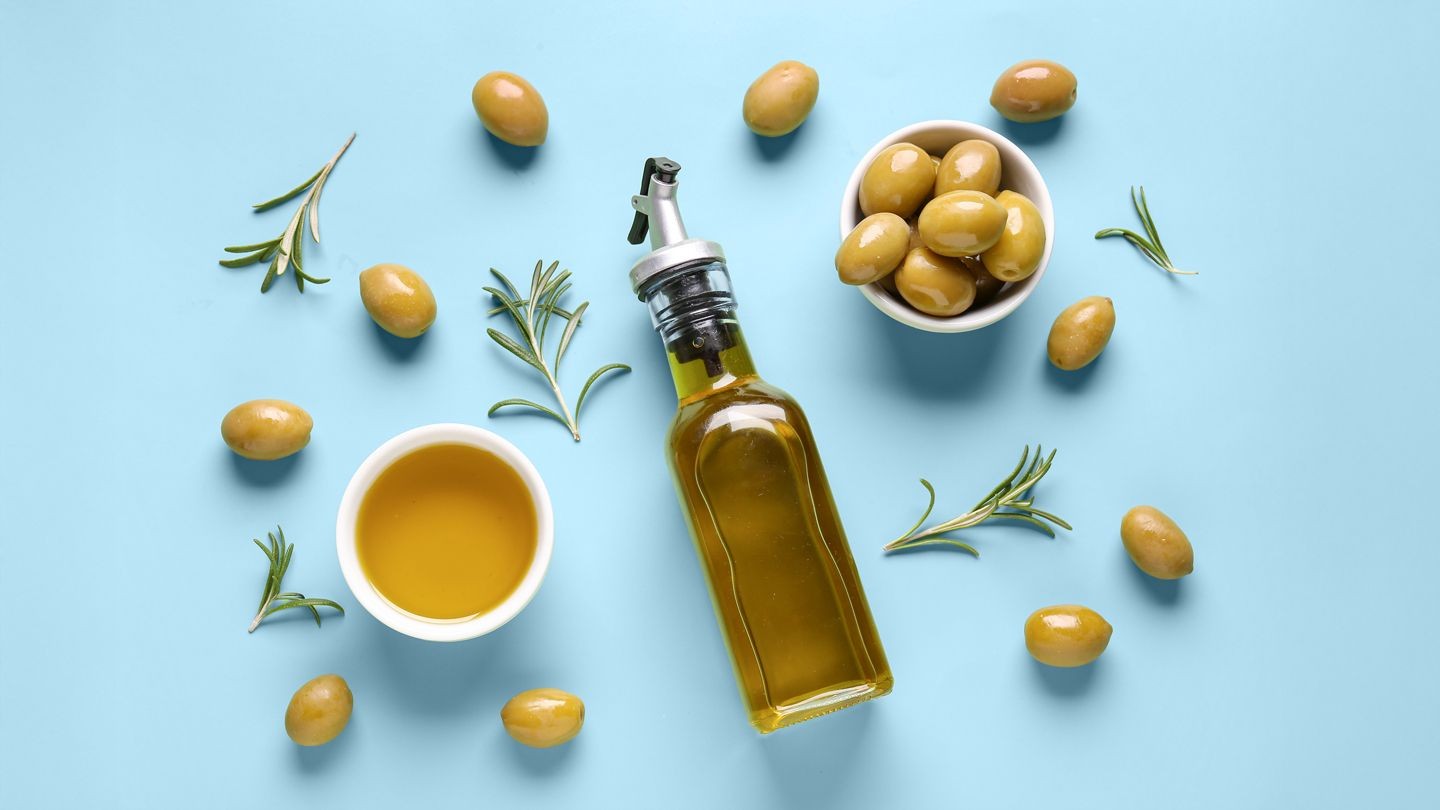
Extra-Virgin Olive Oil: This is the gold standard. Extra-virgin olive oil is extracted without high heat or harsh chemicals, preserving beneficial phenols that fight inflammation and expand blood vessels. It contains oleocanthal, a compound with anti-inflammatory properties, and is rich in monounsaturated fats that lower LDL (“bad”) cholesterol. Use it for sautéing, baking, or drizzling on salads. However, its low smoke point makes it unsuitable for deep-frying.
-
Canola Oil: A versatile option, canola oil has only 1 gram of saturated fat per tablespoon and is high in monounsaturated and polyunsaturated fats. Some concerns exist regarding hexane, a solvent used in extraction, but cold-pressed canola oil can mitigate this risk. Its neutral flavor and higher smoke point make it ideal for roasting and frying.
-
Flaxseed Oil: An excellent source of alpha-linolenic acid (ALA), an omega-3 fatty acid, flaxseed oil reduces inflammation and lowers the risk of heart disease. Do not heat it; instead, use it in cold dishes like smoothies and salads.
-
Avocado Oil: Rich in healthy monounsaturated fats, avocado oil has excellent nutritional value at both low and high temperatures. However, many commercially available avocado oils are adulterated with cheaper alternatives like soybean or safflower oil. Look for brands like Chosen Foods, Marianne’s, and CalPure for purity.
-
Walnut Oil: Another good source of omega-3 fatty acids, walnut oil may protect heart health and prevent diabetes. It has a low smoke point and a rich, nutty flavor, making it best for salad dressings or finishing dishes. Store refrigerated.
-
Sesame Oil: A staple in Asian and Indian cooking, sesame oil contains anti-inflammatory and antioxidant properties. Its high smoke point makes it good for stir-frying, but it has a strong flavor best suited for Asian-style dishes, sauces, and marinades.
-
Grapeseed Oil: Rich in omega-6 polyunsaturated fatty acids and vitamin E, grapeseed oil is low in saturated fat and has a high smoke point. It’s suitable for all types of cooking, grilling, and salad dressings.
-
Sunflower Oil: High in unsaturated fats and low in saturated fat, sunflower oil is a healthy choice. Opt for cold-pressed varieties to maximize vitamin E content. High-oleic sunflower oil, bred for more oleic acid, is particularly good for high-heat cooking.
3 Oils to Limit or Avoid
-
Coconut Oil: Though controversial, coconut oil contains over 80% saturated fat. While some argue that not all saturated fats are equal, it still elevates cholesterol levels and should be used in moderation.
-
Partially Hydrogenated Oils: These artificial trans fats, created through industrial processing, are harmful to health. They raise LDL cholesterol while lowering HDL (“good”) cholesterol, increasing heart disease risk. The FDA has banned them, but trace amounts may remain in ultra-processed foods.
-
Palm Oil: While better than partially hydrogenated oils, palm oil contains roughly equal parts saturated and unsaturated fat. Ethical concerns exist due to deforestation and unjust labor practices associated with its production.
The Bottom Line
For heart health, prioritize oils rich in unsaturated fats like olive, flaxseed, and canola oil. Coconut and palm oil can be used sparingly, while artificial trans fats should be avoided entirely. Choosing the right cooking oil is a simple step toward a healthier diet.