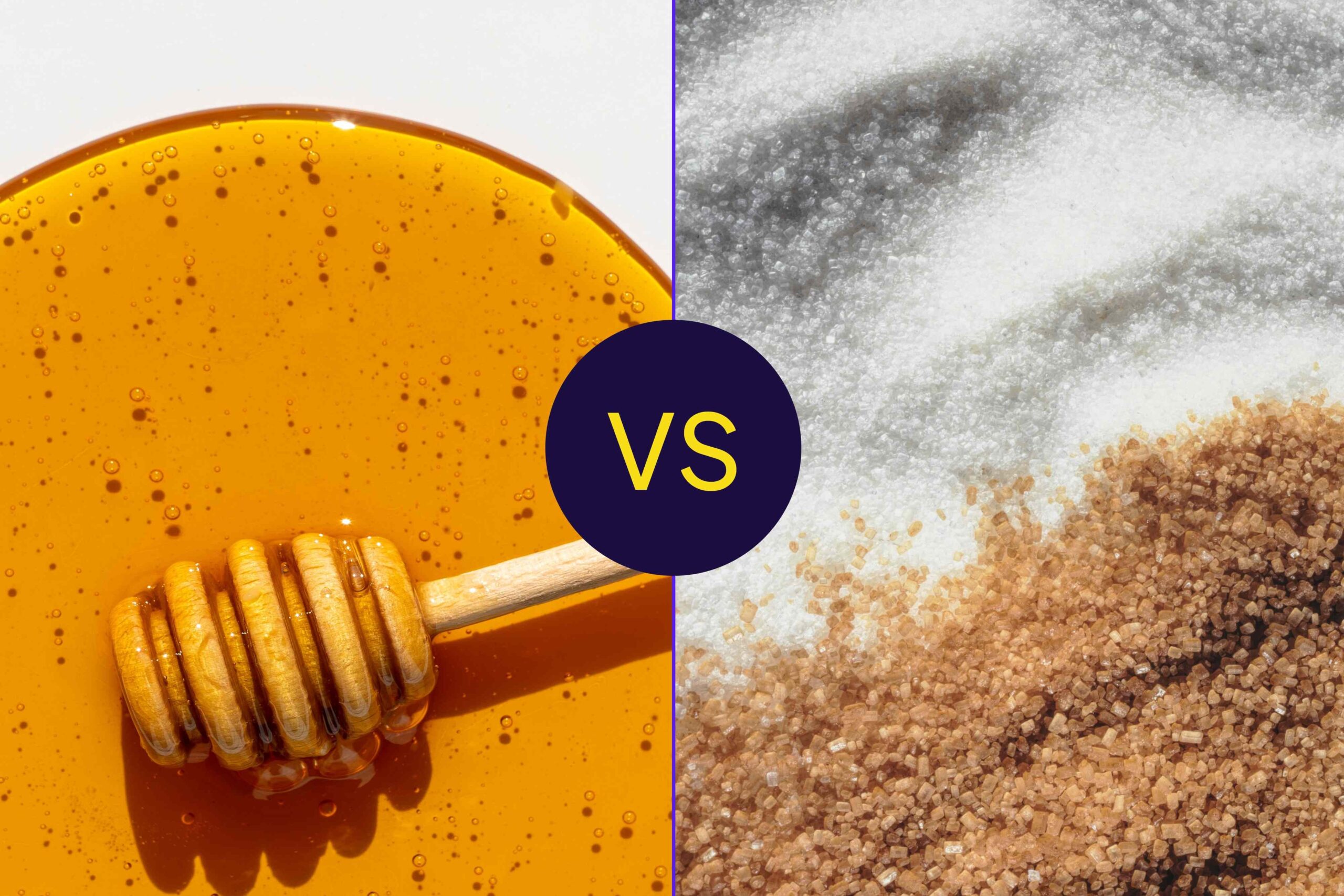
For those seeking a healthier way to satisfy their sweet tooth, the debate between honey and sugar is ongoing. Both serve as sources of sweetness, but their nutritional profiles, processing methods, and health effects differ significantly. This article breaks down the key distinctions to help you make an informed choice.
Nutritional Breakdown: What’s Inside?
Both honey and refined sugar are primarily carbohydrates. A 100-gram serving of honey contains approximately 80 grams of sugar, while refined sugar consists of nearly 100 grams. The main difference lies in what kind of sugar they contain. Honey is composed mainly of fructose and glucose, with smaller amounts of sucrose, and also includes trace amounts of vitamins, minerals, antioxidants, and enzymes. Refined sugar, conversely, is almost pure sucrose.
“While both are sugars, honey provides a broader range of nutrients than refined sugar,” says nutrition researcher Dr. Emily Carter. “However, moderation remains key.”
Processing Matters: Raw vs. Refined
The way these sweeteners are produced impacts their quality. Refined sugar undergoes extensive processing, often involving bleaching and preservatives. Many see this process as detrimental to health. Honey, on the other hand, can be consumed raw directly from the hive, preserving natural enzymes and proteins. Filtering removes debris, while pasteurization extends shelf life but reduces some beneficial compounds.
Health Effects: Weighing the Evidence
Honey’s potential health benefits include antioxidant and anti-inflammatory properties. Some research suggests it may aid in faster metabolism, wound healing, cold/cough relief, and reducing inflammation. Preliminary studies even hint at potential cancer treatment side effect relief, though more robust research is needed.
Refined sugar’s health implications are well-documented: excessive consumption is linked to dental cavities, weight gain, obesity, type 2 diabetes, and heart disease. While small amounts can fit into a balanced diet, overindulgence poses significant risks.
Glycemic Index: How They Affect Blood Sugar
Honey has a slightly lower glycemic index (GI) than refined sugar, meaning it raises blood sugar more slowly. This is due to its fructose content, which is sweeter than glucose. As a result, you can use less honey to achieve the same level of sweetness, potentially reducing overall sugar intake.
Moderation is Key: Daily Limits
The recommended daily intake for added sugars (including honey) should not exceed 10% of total calories. For a 2,000-calorie diet, that translates to around 200 calories or 12 teaspoons. The average American consumes about 17 teaspoons daily, highlighting the need for mindful consumption.
Ultimately, both honey and sugar can be part of a balanced diet when consumed in moderation. Choosing raw, unfiltered honey over refined sugar may offer slight nutritional advantages, but neither should be considered a health food.