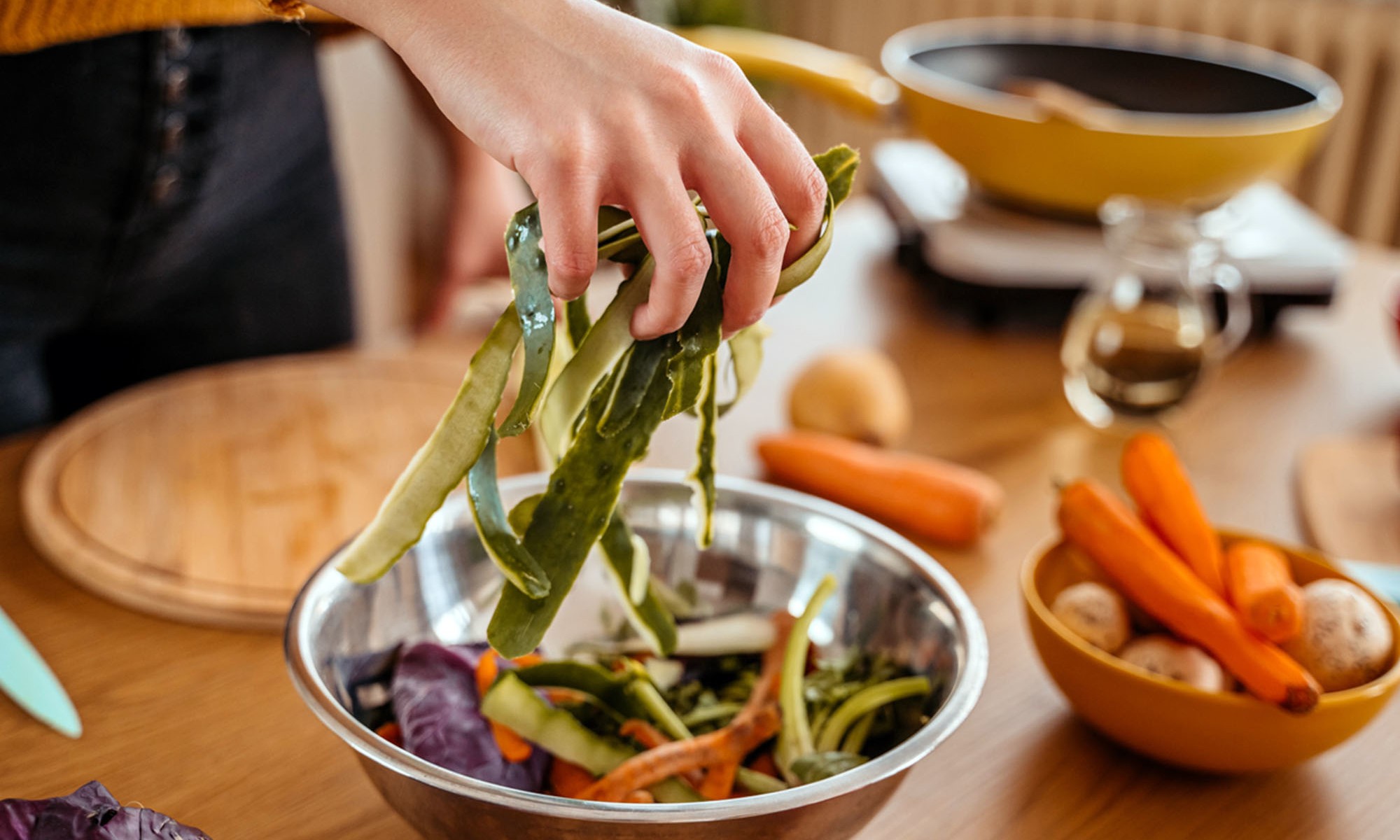
As the seasons shift, the availability of tender, vibrant produce offers a unique opportunity to transform simple ingredients into a culinary highlight. Rather than simmering vegetables in heavy liquids that can dull their natural essence, this method focuses on a minimal-liquid technique. By using just enough stock to steam and soften the vegetables, you preserve their bright colors, delicate textures, and essential nutrients.
The Philosophy of Seasonal Cooking
This recipe is designed to be a flexible guide rather than a rigid set of rules. The goal is to celebrate the “smallest and sweetest” finds from the market. While the core ingredients provide a solid foundation, the dish thrives on customization.
Ways to elevate the dish:
* Seasonal Swaps: Incorporate baby artichokes, young fennel, small turnips, or broccolini.
* Nutritional Balance: While delicious as a light starter or lunch on its own, adding a protein source—such as roasted chicken or fish—can turn this into a more substantial meal.
* Pro-tip: To ensure a balanced meal, aim for approximately 30 grams of protein per serving.
Ingredients and Preparation
The Base
– 2 tbsp extra-virgin olive oil
– 3 spring onions (white and pale green parts only), sliced into ¼-inch rounds
– Sea salt and freshly ground black pepper to taste
The Root & Aromatics
-
8 skinny carrots, cut diagonally into 2-inch lengths (unpeeled if young)
-
8 fingerling potatoes, halved lengthwise (unpeeled)
-
3 sprigs fresh thyme
- 1 garlic clove, smashed and peeled
- Up to 1 cup vegetable stock (homemade is best), or water
The Green Finish
- 8 asparagus spears, tough ends removed, cut into 2-inch diagonal pieces
- 1¼ cups shelled fresh peas (approx. 1 lb in shell) or frozen peas
For Serving
– High-quality extra-virgin olive oil and fleur de sel
– Fresh arugula leaves and Parmesan shavings
Step-by-Step Instructions
1. Sauté the Aromatics
Heat the olive oil in a sauté pan or Dutch oven over medium heat. Add the spring onions and a pinch of salt. Sauté for 2 to 3 minutes until they begin to soften.
2. Soften the Roots
Add the carrots, potatoes, thyme, garlic, and ½ cup (120 ml) of the vegetable stock or water. Cover the pan and cook over medium-low heat for about 10 minutes, or until the vegetables begin to yield.
3. Add the Delicate Greens
Introduce the asparagus and another pinch of salt. If the pan looks dry, add more stock until the bottom is covered. Cover and cook for 3 to 5 minutes until the vegetables are nearly tender.
4. The Final Touch
Add the peas. If using fresh peas, cook for 2 to 3 minutes; if using frozen, cook for 5 to 6 minutes. Season with black pepper.
5. Plating
Serve the stew warm. To enhance the flavors, finish each serving with a generous drizzle of extra-virgin olive oil, a sprinkle of fleur de sel, fresh arugula, and shaved Parmesan.
Summary: This cooking method prioritizes the integrity of spring produce by using minimal liquid, resulting in a vibrant, nutrient-dense dish that can be easily customized with seasonal vegetables or proteins.