Antioxidants – found abundantly in fruits, vegetables, nuts, and whole grains – are crucial for defending cells against damage from free radicals. While consistent intake is primary, emerging research suggests when you consume them can also significantly impact their effectiveness.
Why Timing Matters
The body naturally produces free radicals during digestion, particularly when processing meals high in saturated fats or refined carbohydrates. Consuming antioxidants with meals, especially larger ones, can help neutralize this temporary spike in oxidative stress. A 2021 review confirmed that supplementing with antioxidants before or during high-fat meals may lower post-meal oxidative markers. This is likely due to the short half-life of many plant compounds in the bloodstream.
Dinner: A Potentially Optimal Time
While there isn’t a definitive “best” time, recent studies suggest dinner may be particularly beneficial. A large 2023 study linked higher overall antioxidant consumption to reduced mortality risk, with the strongest correlation observed in people who consumed them at dinner. This could stem from dinner often being the largest meal, creating more oxidative stress that antioxidants can help mitigate.
The impact is clear: prioritizing antioxidant intake during dinner doesn’t negate benefits from earlier consumption, but it may amplify their protective effects.
Fat-Soluble Absorption and Supplement Considerations
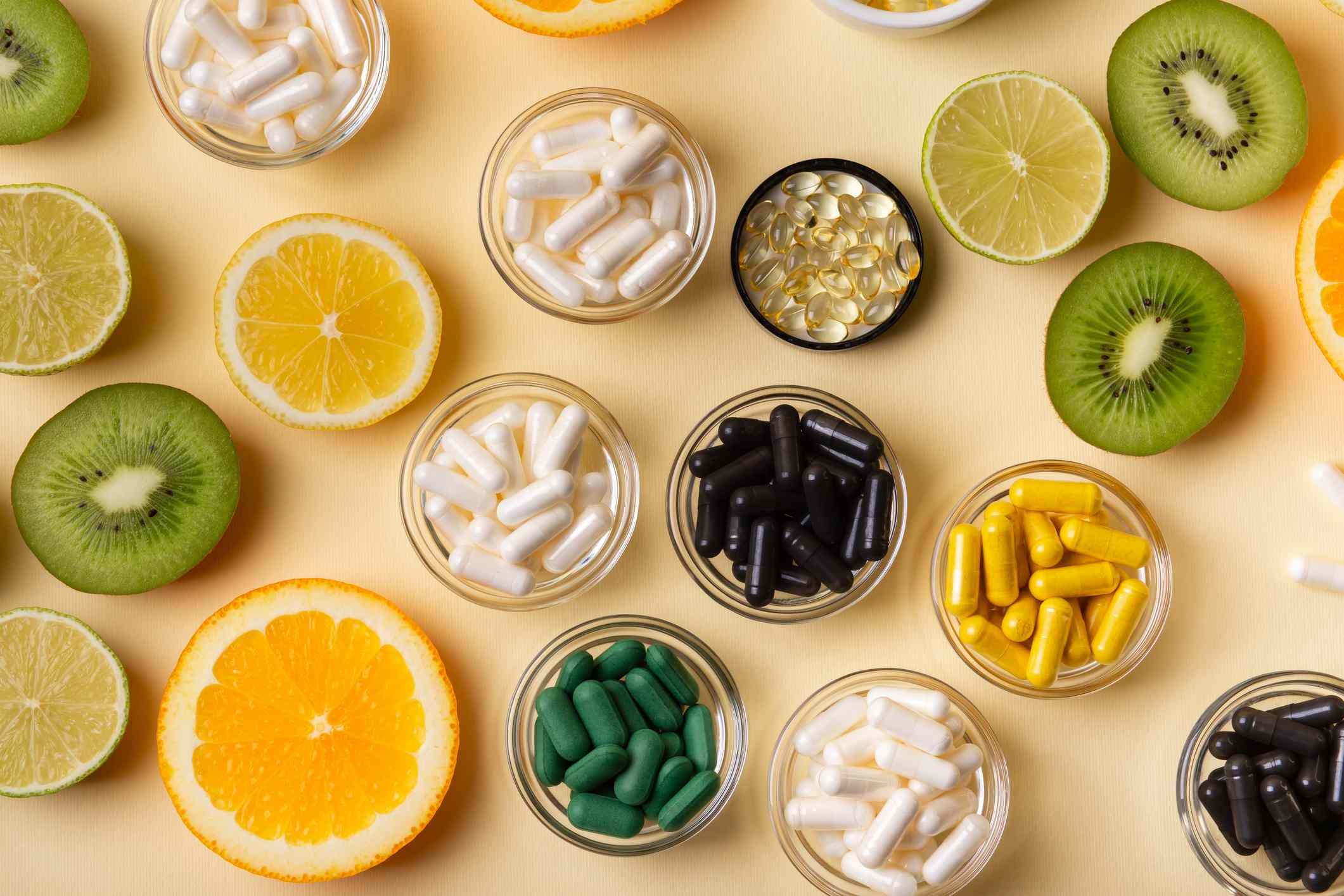
Fat-soluble antioxidants (like Vitamin E, beta-carotene, and lycopene) are absorbed most efficiently when consumed with dietary fats. Adding healthy fats – such as olive oil – to meals rich in fruits and vegetables can maximize antioxidant bioavailability. For supplements, taking them alongside a meal may also reduce digestive discomfort.
Risks and Precautions
Antioxidants from whole foods are generally safe, but high-dose supplements come with potential downsides:
- Exercise Interference: Long-term, high-dose supplementation may blunt natural adaptive responses to exercise, hindering muscle growth and endurance improvements.
- Health Risks: Beta-carotene supplements have been linked to increased lung cancer risk in smokers, and high-dose Vitamin E can elevate bleeding risks for those on blood thinners.
- Digestive Issues: Excessive Vitamin C can cause nausea, diarrhea, or stomach cramps.
- Cancer Treatment Interference: Some supplements may interfere with chemotherapy or radiation effectiveness.
If you have underlying medical conditions, are pregnant, or take prescription medications, consult a healthcare provider before starting antioxidant supplements.
Antioxidants are powerful tools for health, but maximizing their benefits requires understanding how to use them effectively.