Creating a sleep-conducive bedroom is essential for improving sleep quality. Many people struggle with rest even when practicing good sleep hygiene, and a poorly designed bedroom can be a major contributing factor. Sleep experts emphasize that the environment itself plays a critical role in how easily you fall asleep and how well you stay asleep.
The Science of Sleep and Your Bedroom
Your body operates on a natural internal clock called the circadian rhythm, which regulates sleep-wake cycles. A bedroom that reinforces this rhythm – by being dark, quiet, cool, and comfortable – can significantly improve sleep. This is because darkness triggers melatonin production, a hormone essential for sleep. Disrupting this process with light, noise, or an uncomfortable environment hinders the body’s natural sleep mechanisms.
Seven Steps to a Sleep-Optimized Bedroom
To improve sleep quality, consider these actionable changes:
-
Maximize Darkness: Melatonin production relies on complete darkness. Use blackout curtains or blinds to block all external light. Even small LED lights from electronics can suppress melatonin, so cover or turn them off. Dimming lights at least 30 minutes before bed helps prepare the brain for sleep.
-
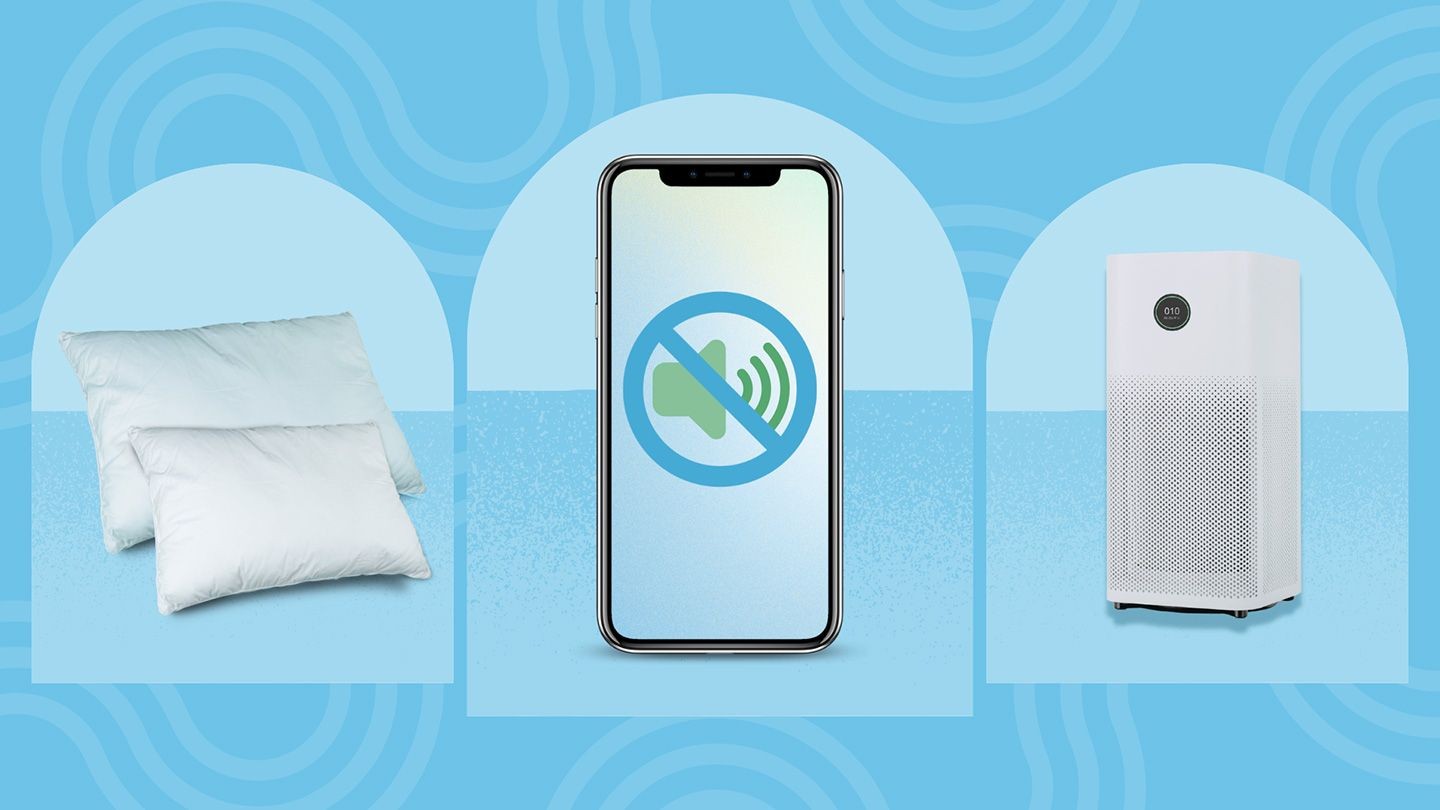
Eliminate Electronics: Phones, tablets, and laptops emit stimulating light and content that interfere with sleep. Activate “Do Not Disturb” mode at least an hour before bed to reduce distractions. For better results, keep electronics out of the bedroom entirely, or at least out of reach to avoid late-night use.
-
Maintain a Cool Temperature: The ideal sleep temperature ranges between 60 and 67°F (15.6–19.4°C). A cooler room supports the body’s natural temperature drop, facilitating faster and deeper sleep. Use breathable bedding like cotton or bamboo to prevent overheating.
-
Invest in Proper Support: An uncomfortable mattress or pillow can disrupt sleep. Choose a medium-firm mattress that aligns the spine and relieves pressure. Pillows should support the head and neck in a neutral position based on sleep position (back, side, or stomach). Consider separate mattresses or blankets if you share a bed with someone who has different preferences.
-
Minimize Disturbances: Noise pollution can disrupt sleep and even affect circadian rhythms over time. Use a sound machine, fan, earplugs, or noise-canceling headphones to block out disturbances. Address snoring with a sleep apnea evaluation if necessary. Consider keeping pets out of the bedroom to reduce movement and allergens.
-
Improve Air Quality: Poor air quality can worsen congestion, asthma, and allergies, leading to more nighttime wakeups. Run an air purifier with a HEPA filter to remove pollutants like dust, pollen, and mold. Wash bedding in hot water regularly. Hypoallergenic covers can further reduce allergens.
-
Declutter for Relaxation: A cluttered bedroom can create mental stress, making it harder to wind down. Keep surfaces clear and use storage solutions to organize belongings. A clean, organized space signals to the brain that it is time for rest.
The Bottom Line
Prioritizing bedroom optimization is a straightforward but often overlooked step toward better sleep. By implementing these changes, you can reinforce your body’s natural sleep-wake cycle and create a more restorative environment. Sleep experts agree that darkness, coolness, quiet, and comfort are the foundational elements for quality shut-eye.
Sources: Everyday Health, Cleveland Clinic, National Sleep Foundation, Journal of the American Academy of Child & Adolescent Psychiatry, Stanford Lifestyle Medicine, Sleep and Breathing, Journal of Orthopaedics and Traumatology, Noise & Health, National Heart, Lung, and Blood Institute, Archives of Neuropsychiatry.