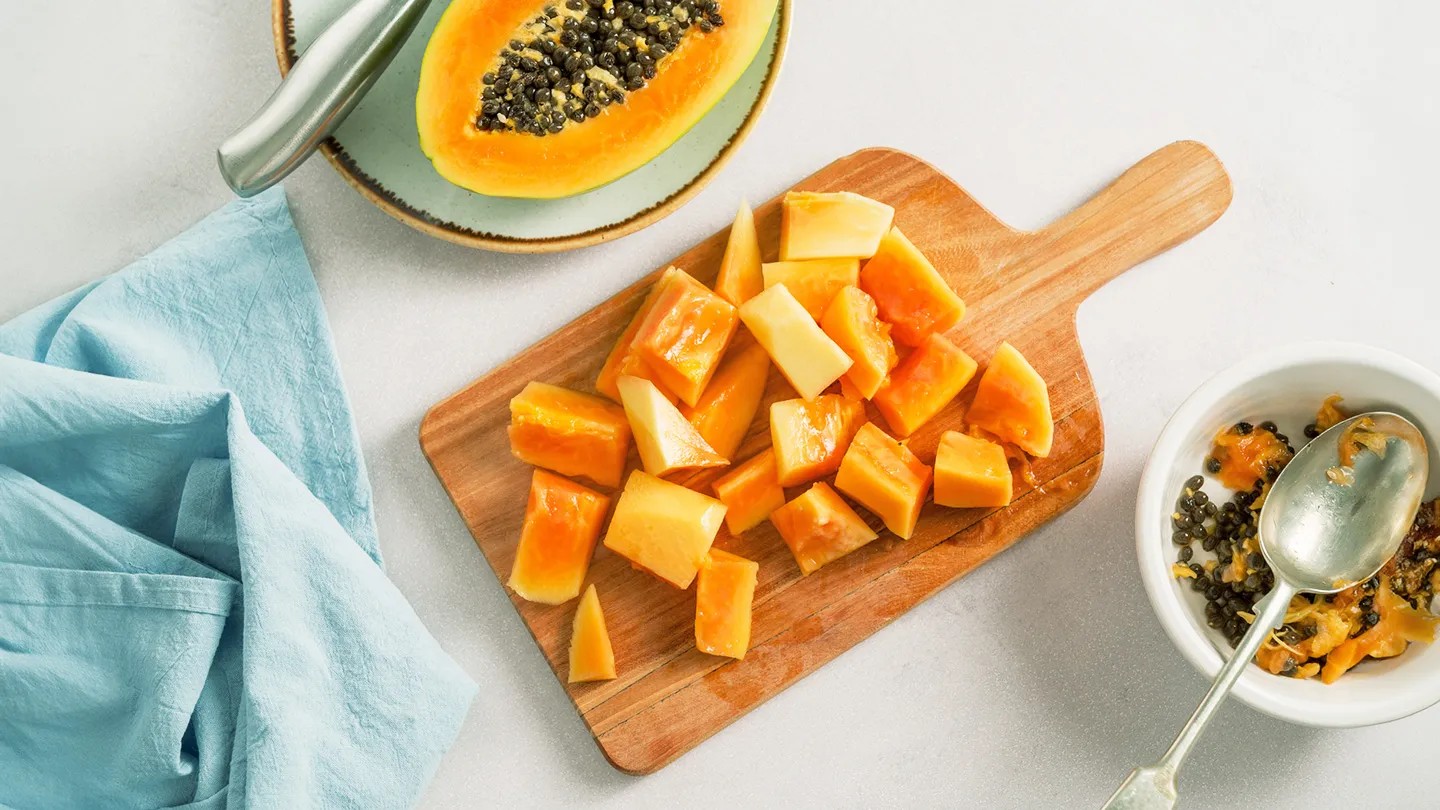
Papaya is a vibrant tropical fruit packed with nutrients and offering a range of potential health advantages. Originating in Central America, this sweet, melon-like fruit has spread globally, with Hawaii and Mexico now being major commercial producers. This guide will break down everything you need to know about papaya, from its nutritional profile to its potential benefits and practical uses.
Origins and Global Spread
Papaya ( Carica papaya ) traces its roots to southern Mexico and the Andes of South America. Indigenous communities first cultivated it, spreading it throughout the region and into the Caribbean during the Spanish colonial period. By the 19th century, papaya had reached Hawaii—the only U.S. state with commercial papaya farms today.
Mexican papayas tend to be larger, growing up to 10 pounds and exceeding 15 inches in length, while Hawaiian varieties are generally smaller. Regardless of origin, the fruit is prized for its sweet flavor when ripe and its versatility in culinary and health applications.
Nutritional Breakdown
Papaya is a low-calorie, nutrient-rich food. One cup of mashed papaya contains approximately 99 calories and a notable array of vitamins and minerals:
- Fiber: 3.9 grams per cup
- Calcium: 46 milligrams
- Magnesium: 48 milligrams
- Potassium: 419 milligrams
- Zinc: 0.184 milligrams
- Vitamin C: 140 milligrams
- Folate: 85 micrograms
- Vitamin A: 108 micrograms
- Vitamin E: 0.69 milligrams
- Vitamin K: 5.98 micrograms
This nutrient profile makes papaya a valuable addition to a balanced diet, supporting immune function, heart health, and overall well-being.
Potential Health Benefits
Research suggests several ways papaya may improve health:
- Alzheimer’s Disease Risk: Some studies suggest that fermented papaya may help reduce oxidative stress, a factor linked to Alzheimer’s disease. However, further research is needed to confirm these effects.
- Immune System Support: High vitamin C content (140mg per serving) boosts immune function.
- Heart Health: Fiber, potassium, and antioxidants in papaya can lower cholesterol, manage blood pressure, and reduce inflammation.
- Inflammation Control: Unripe papaya has traditionally been used to aid wound healing. Preliminary studies suggest it may regulate inflammation through cytokines, though human trials are still needed.
- Eye Health: Antioxidants like lutein and zeaxanthin, along with vitamin E, can protect against age-related macular degeneration.
- Digestive Aid: Papaya contains enzymes that break down protein, easing digestion and reducing bloating. The seeds are also high in fiber, promoting bowel regularity, though excessive consumption can cause diarrhea.
Weight Loss and Dietary Considerations
Papaya can be incorporated into a weight loss diet due to its low calorie count (99 calories per cup) and high fiber content, which promotes fullness. However, with 18 grams of sugar per cup, mindful consumption is key for those monitoring sugar intake.
Selecting, Storing, and Preparing Papaya
Choose ripe papayas with bright yellow, firm skin that yields slightly to gentle pressure. Avoid overly soft or mushy fruit with a strong, overly sweet odor. Unripe papayas will ripen at room temperature in a paper bag within a few days. Once ripe, store in the refrigerator in a plastic bag for up to a week, though best consumed within a day or two.
To prepare, cut the papaya lengthwise and scoop out the seeds (which are edible). The flesh can be eaten raw, added to salads, smoothies, or used in creative recipes like Papaya Avocado Salad.
Beyond the Fruit: Papaya Seeds and Hair Care
Don’t discard the seeds—they are edible, offering a crunchy texture and peppery flavor. Papaya flesh also contains antioxidants and vitamins C and E, making it beneficial for hair masks, either homemade or store-bought.
Important Precautions
Individuals with latex allergies should exercise caution, as papaya contains enzymes similar to those found in latex. Those with gastrointestinal conditions should consult a doctor before consuming papaya.
In conclusion, papaya is a versatile and nutrient-rich fruit with potential health benefits ranging from immune support to digestive aid. By understanding its origins, nutritional profile, and proper preparation, you can harness this tropical fruit’s full potential for a healthier lifestyle.