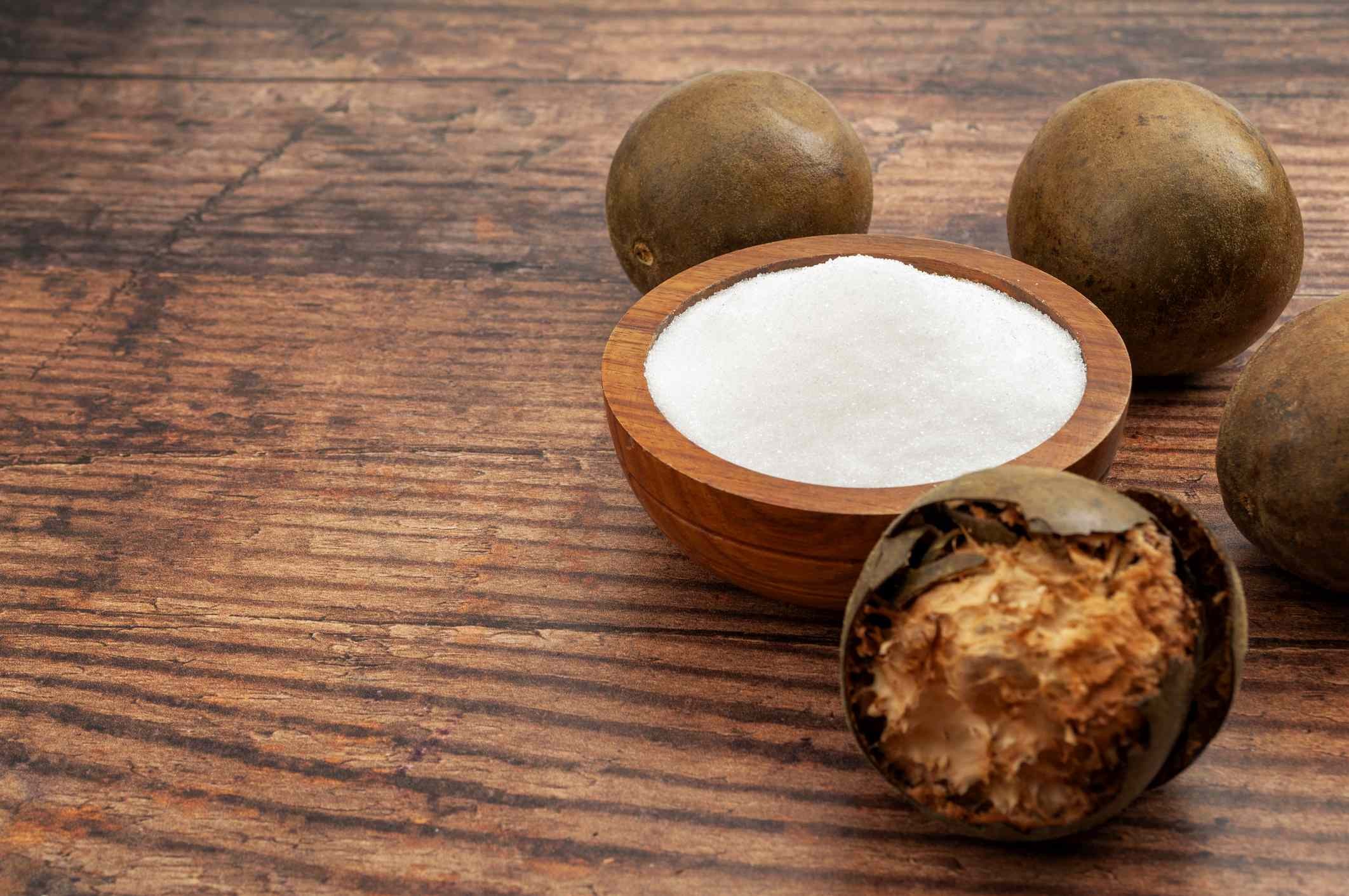
Monk fruit sweetener is gaining traction as a healthier alternative to traditional sugar, especially for those prioritizing stable blood sugar levels. Unlike regular sugars, monk fruit doesn’t contain carbohydrates that cause rapid glucose spikes. Instead, its sweetness comes from mogrosides, natural compounds the body doesn’t process like sugar. This difference isn’t just theoretical; it has measurable effects on how your body responds to sweetness.
Why This Matters: The Problem with Sugar Spikes
Rapid blood sugar fluctuations can lead to energy crashes, cravings, and, over time, contribute to insulin resistance. The modern diet, often packed with added sugars, frequently triggers these spikes. This isn’t just about immediate discomfort; chronic instability in glucose levels is linked to increased risk of metabolic disorders. Monk fruit offers a way to enjoy sweetness without the same physiological rollercoaster.
How Monk Fruit Differs: Insulin Response & Energy Stability
Monk fruit appears to elicit a smaller insulin response compared to sugar. Since it doesn’t dramatically raise blood glucose, your body doesn’t need to flood the system with insulin to compensate. This steadier hormonal response translates to more consistent energy levels.
The typical sugar rush is followed by a crash as insulin overcorrects. Monk fruit may help avoid this cycle, keeping you feeling balanced between meals. This is especially relevant when sweetening beverages like coffee or tea, which offer little fiber or protein to slow sugar absorption.
Beyond Glucose: Gut Health & Calorie Control
The mogrosides in monk fruit aren’t fully digested in the small intestine. Instead, they reach the lower digestive tract, where they may act as prebiotics, nourishing beneficial gut bacteria. While more human studies are needed, this suggests a potential benefit beyond blood sugar control.
Monk fruit is also zero-calorie, meaning you can reduce overall sugar intake without sacrificing sweetness. This is a significant advantage for anyone looking to manage weight or improve metabolic health.
Choosing Wisely: Not All Monk Fruit Is Equal
The quality of monk fruit products varies. To maximize benefits, look for 100% monk fruit extract on the label. Some products contain added sugars, fillers, or sugar alcohols (like erythritol) that can alter their impact on blood sugar or cause digestive issues. If you’re sensitive to sugar alcohols, pure monk fruit extract is the better choice.
Ultimately, monk fruit isn’t a magic bullet. It’s most effective as part of a balanced diet rich in fiber, protein, and healthy fats, combined with regular physical activity. However, as a sugar alternative, it provides a tangible tool for managing blood glucose and supporting long-term metabolic health.