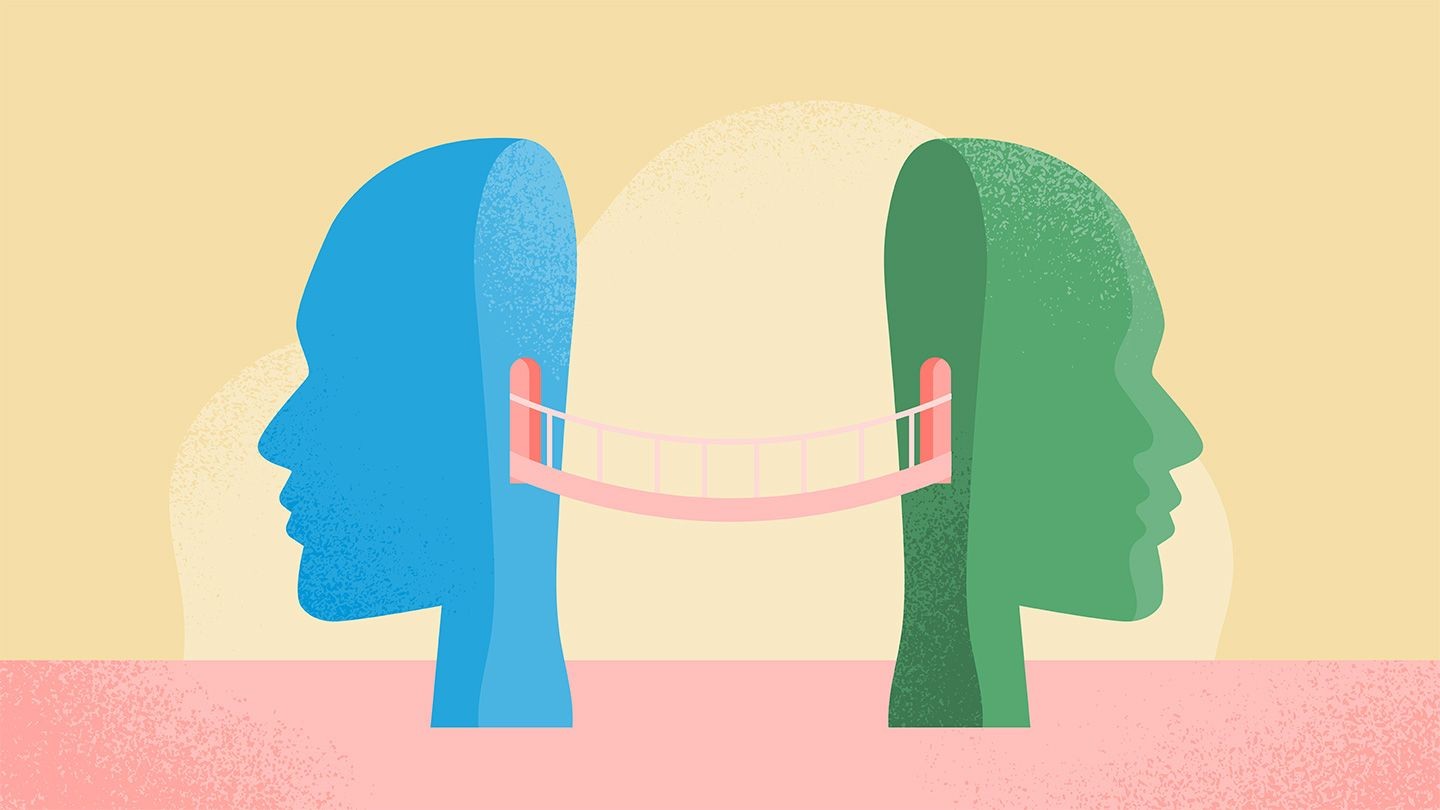
Many people with major depressive disorder (MDD) experience significant improvement with treatment, but don’t reach full remission —the complete or near-complete relief of symptoms. While a 50% reduction in symptoms is considered a positive response, it doesn’t equate to feeling truly well. This gap between response and remission is a common challenge, and understanding it is crucial for long-term recovery.
Why Remission Matters
Partial improvement isn’t enough. Residual symptoms—even mild ones—can increase the risk of future depressive episodes, harm relationships, impair work or school performance, and diminish overall well-being. Think of it like extinguishing a fire: partially putting it out leaves embers that can reignite.
Psychiatrists emphasize the importance of pushing beyond response toward full remission. As Dr. Nissa Keyashian explains, “Any ongoing or residual symptoms…can make it more likely to develop worsening depression in the future.”
Response vs. Remission: What’s the Difference?
Response is defined as a measurable improvement in symptoms, typically at least 50%. This can be tracked using standardized tools like the Hamilton Rating Scale for Depression (HAMD-17) or the Patient Health Questionnaire (PHQ-9). However, response doesn’t guarantee that someone feels fully functional.
Remission, in contrast, means the symptoms are essentially gone. While there’s no hard-and-fast definition of recovery, it’s generally considered full remission sustained for at least two months. Full remission is essential because residual symptoms are the strongest predictor of relapse.
Identifying Lingering Symptoms
The gap between response and remission often appears early in treatment—when starting medication or therapy. While these interventions improve sleep, appetite, and mood, it takes time (four to eight weeks or longer) to feel their full effect.
Common residual symptoms include:
- Inability to experience joy
- Loss of interest in activities
- Difficulty concentrating or making decisions
- Persistent sleep disturbances
- Fatigue and low energy
- Decreased appetite
- Physical aches and pains
These symptoms can also manifest as heightened irritability, agitation under stress, or increased social withdrawal.
Strategies to Bridge the Gap
If your current treatment isn’t fully effective, there are options:
- Medication Adjustments: Your doctor may adjust your dosage or switch to a different class of antidepressant (e.g., from SSRI to SNRI).
- Combined Therapy: Adding another antidepressant with a different mechanism of action can boost effectiveness.
- Advanced Treatments: Consider repetitive transcranial magnetic stimulation (rTMS) or ketamine therapy if appropriate.
- Increased Psychotherapy: More frequent cognitive behavioral therapy (CBT) sessions can provide additional support.
- Lifestyle Changes: Regular exercise, meditation, better sleep, creative hobbies, and social connection can complement treatment.
- Rule Out Underlying Conditions: Explore potential medical factors—nutritional deficiencies, hormonal imbalances, autoimmune issues—that may contribute to depression.
Open communication with your healthcare team is key. Discuss the frequency, intensity, and impact of residual symptoms.
The Bottom Line
Reaching remission in major depressive disorder is crucial for long-term recovery. While response is a step in the right direction, it’s not the ultimate goal. By actively addressing residual symptoms and working closely with your doctor, you can bridge the gap and achieve lasting well-being.