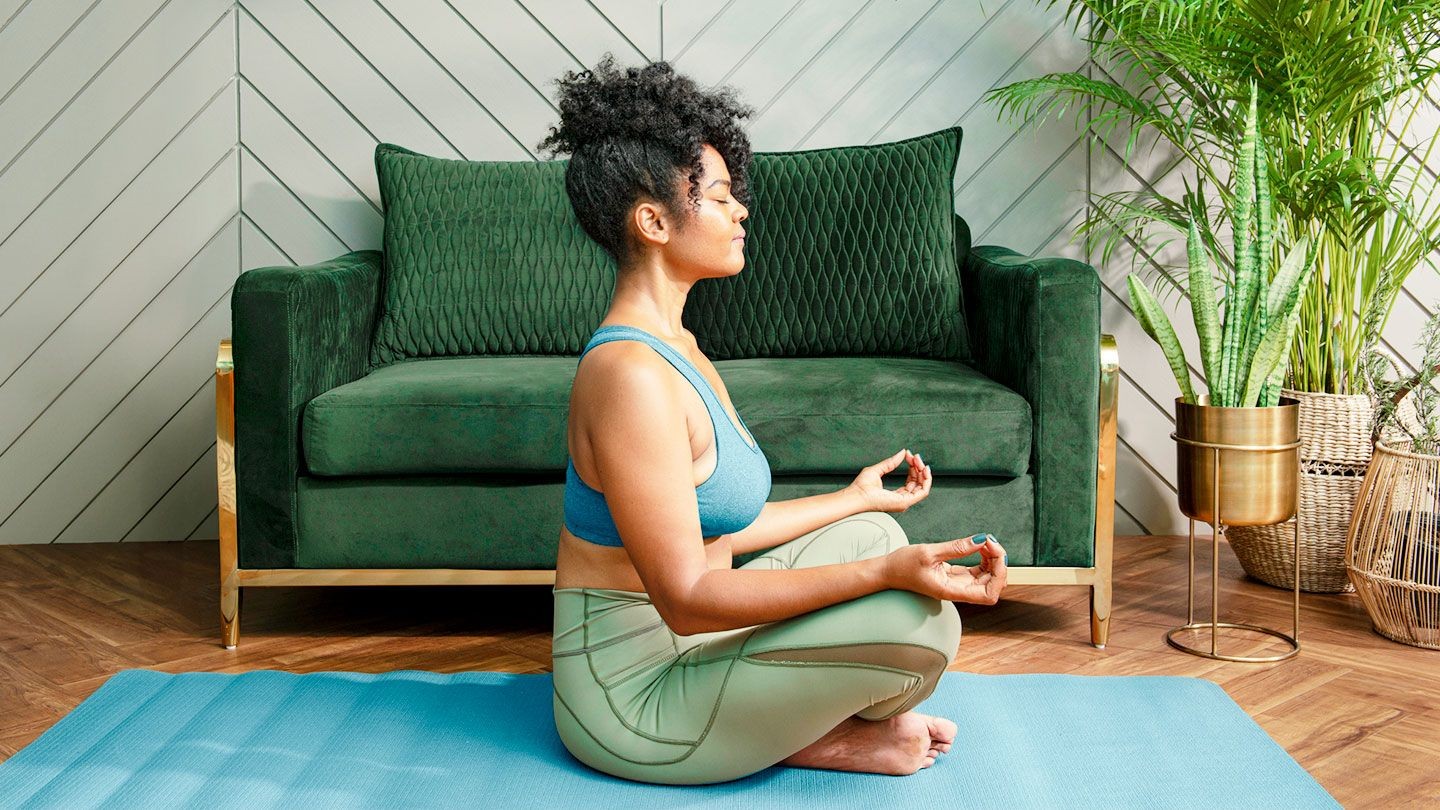
In today’s fast-paced world, stress is a common issue. Meditation, the practice of training your mind to focus on the present moment, offers a powerful way to manage this stress and improve mental clarity. Scientific research confirms that regular meditation can lower blood pressure, reduce negative thoughts, and even aid in managing chronic conditions like depression and heart disease.
But with so many techniques available, where do you start? This guide breaks down seven distinct types of meditation, making it easier to find a practice that fits your needs.
1. Mindfulness Meditation: Being Present
Mindfulness meditation centers on full awareness of your current experience. It’s about observing your thoughts, feelings, and surroundings without judgment. You can practice this anywhere: while walking, eating, or even during daily tasks. The core idea is to gently notice what arises in your mind and let it pass without getting carried away.
2. Transcendental Meditation: The Power of Mantras
Transcendental Meditation (TM) involves repeating a personalized mantra – a word or sound – to quiet the mind. Typically practiced for 20 minutes twice a day, TM aims to induce deep relaxation and inner peace. The goal is not to think about the mantra, but to allow it to fade into the background as your mind settles.
3. Guided Meditation: Visualizing Calm
Guided meditation uses verbal instruction to lead you through relaxing imagery or scenarios. Often, a teacher or recording will guide you through visualizing peaceful scenes, focusing on sensory details like smells, sounds, and textures. This is a great option for beginners, as it provides structure and reduces the need for self-direction.
4. Vipassana Meditation: Seeing Things as They Are
Originating in ancient India, Vipassana meditation (meaning “to see things as they really are”) is a rigorous practice focused on self-observation. It emphasizes connecting mind and body through attention to physical sensations. Traditionally taught in 10-day retreats, Vipassana demands discipline, often including abstaining from distractions like intoxicants.
5. Loving-Kindness Meditation (Metta): Cultivating Compassion
Metta meditation is about directing positive energy towards yourself and others. You repeat phrases like “May I be happy, may I be well,” gradually extending these wishes to loved ones, neutral people, and even those you struggle with. This practice aims to cultivate compassion and interconnectedness.
6. Chakra Meditation: Balancing Energy Centers
Rooted in ancient Indian tradition, Chakra meditation focuses on the seven energy centers within the body. Each chakra corresponds to a color and specific area of well-being. The practice involves visualizing these chakras and using techniques like color therapy or incense to promote balance.
7. Yoga Meditation: Mindful Movement
Yoga combines physical postures with intentional breathing exercises to calm the mind and increase flexibility. By focusing on the present moment during each pose, you minimize distractions and deepen your connection to your body. Yoga is a dynamic form of meditation that integrates movement with mental stillness.
Ultimately, meditation is a personalized journey. Each type offers unique benefits, and experimentation is key to finding what resonates with you. Consistent practice, even in small doses, can yield significant improvements in mental well-being and overall health.