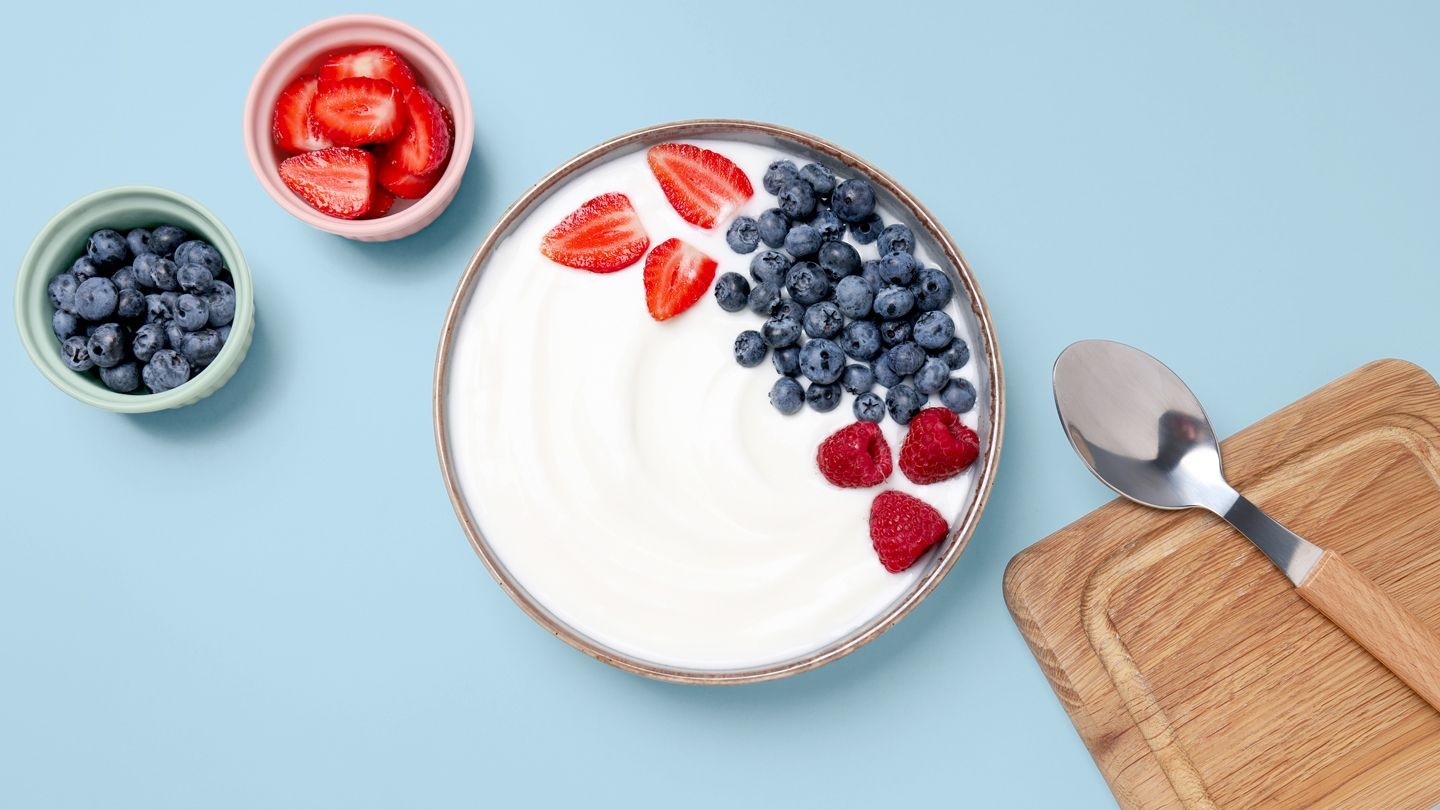
Many people with obesity experience persistent fatigue, but the right dietary choices can make a significant difference. Instead of relying on quick fixes that lead to energy crashes, building a lifestyle around nutrient-dense foods is key. Dietitians emphasize that consistent energy levels come from whole foods rich in protein and fiber, not from highly processed alternatives.
Why This Matters: The Energy-Weight Connection
Chronic fatigue and obesity often go hand in hand. This isn’t just about willpower; it’s about how food impacts your body. Highly processed foods cause blood sugar spikes and dips, leaving you feeling sluggish and craving more unhealthy options. This cycle reinforces both weight gain and low energy. The solution? Replacing energy-draining foods with smarter, more sustainable choices.
Simple Swaps for Steady Energy
Here’s how to replace five common vitality-sapping foods with energizing alternatives:
1. From White Bread to Whole Grain: White bread is stripped of fiber, protein, and essential nutrients. This leads to rapid digestion and an energy slump. Switching to whole-grain bread (whole wheat, barley, or oats as the first ingredient) provides sustained energy thanks to slower digestion. Introduce fiber gradually to avoid digestive discomfort.
2. From Processed Deli Meats to Cooked Protein: Deli meats often contain preservatives like nitrates and sorbates, which can disrupt gut health and worsen fatigue. Instead, opt for cooked chicken, turkey, or salmon, providing natural protein and avoiding hidden additives. Batch cooking lean proteins at dinner ensures leftovers for quick, healthy lunches.
3. From Soda to Flavored Sparkling Water: Sugary sodas cause rapid blood sugar spikes followed by crashes. Replace them with naturally flavored sparkling water, fruit-infused water, or diluted juice. This provides hydration without the energy roller coaster.
4. From High-Fructose Corn Syrup (HFCS) to Whole Fruit: HFCS is absorbed quickly, leading to blood sugar instability and cravings. Choose whole fruits instead, which contain fiber to slow digestion and keep you feeling full longer. Read labels carefully; many packaged snacks use HFCS instead of real fruit.
5. From White Rice to Quinoa: White rice breaks down quickly, causing blood sugar spikes. Switch to quinoa or brown rice for more fiber, protein, and a lower glycemic impact, resulting in steadier energy levels. Quinoa is also lower in carbs and calories than white rice.
Practical Tips for Lasting Change
Making these swaps doesn’t require a complete overhaul:
- Start Small: Focus on one change at a time. For example, reduce soda intake gradually instead of cutting it out cold turkey.
- Read Food Labels: Pay attention to added sugars and saturated fat content. Foods with 5% or less saturated fat are low; those with 20% or more are high.
- Dining Out Smart: Order steamed or roasted vegetables instead of fries, and choose dishes with fresh ingredients. Ask for sauces on the side.
The Bottom Line
Consuming added sugars and refined starches may give you a temporary energy boost, but they ultimately lead to crashes and sluggishness. Prioritize protein and fiber to stabilize blood sugar and sustain energy levels. By choosing fresher alternatives over processed foods, you can improve your energy, support better gut health, and effectively manage your weight.
Sources:
* Park N et al. Comparative Study for Fatigue Prevalence in Subjects With Diseases: A Systematic Review and Meta-Analysis. Scientific Reports. October 7, 2024.
* Whole Grains. The Nutrition Source. 2026.
* Norton S et al. Inflammation is associated with pain and fatigue in older adults. Brain, Behavior, and Immunity – Health. December 2024.
* Atary-Sheetryt I et al. The associations of dietary exposure to selected food additives with dietary patterns and overweight. PLoS One. February 25, 2026.
* Nucci AD et al. How does sugar-sweetened beverage consumption relate to sleep and mental health in adolescents? A scoping review. Frontiers in Nutrition. January 12, 2026.
* What Is High Fructose Corn Syrup? And Why It’s Bad for You. Cleveland Clinic. April 1, 2025.
* Rice, White, Medium-Grain, Enriched, Cooked. USDA FoodData Central. April 1, 2019.
* Quinoa, Cooked. USDA FoodData Central. April 1, 2019.