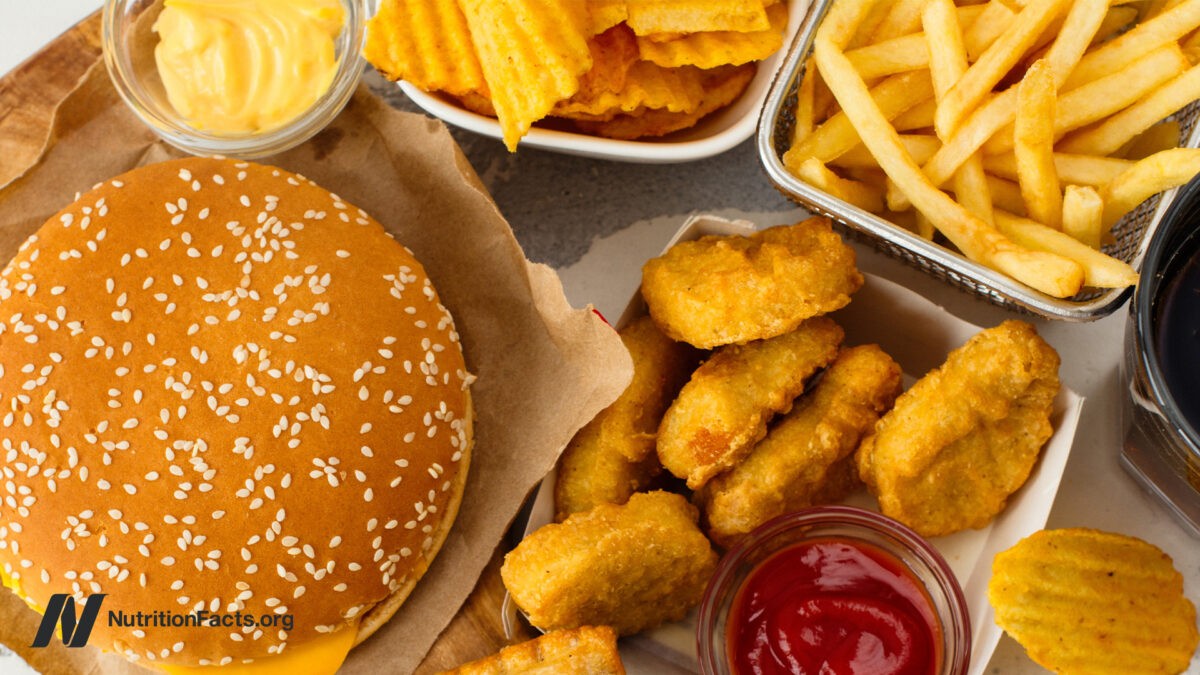
Inflammation is at the heart of many chronic illnesses—from heart disease and diabetes to obesity—and new research shows that a single meal can trigger a rapid, measurable inflammatory response within just six hours. The surprising takeaway? It’s not just chronic diets, but even isolated high-fat or high-sugar intakes that drive this effect.
The Immediate Impact of Unhealthy Meals
Studies demonstrate that inflammatory markers, particularly interleukin-6 (IL-6), can double after consuming a meal packed with saturated fats, refined carbohydrates, and added sugars. This isn’t merely about long-term dietary patterns; the inflammatory cascade can start almost immediately.
For example, consuming pure butter fat or even straight sugar water alone leads to the same spike in inflammation. This underscores that both excess fat and refined sugar are potent triggers for the body’s inflammatory response. The key marker, IL-6, rises to levels associated with a significantly increased risk of mortality—roughly double the risk when reaching around 3 pg/mL—comparable to well-established risk factors like high cholesterol.
Not All Fats Are Created Equal
While the study confirms that high-fat meals induce inflammation, the source of fat matters. Whole plant foods such as nuts, even in significant quantities, do not trigger the same inflammatory response. In fact, adding healthy fats like avocado to a meal containing meat can partially blunt the inflammatory effect.
However, even lean meats like wild game (elk, moose, or kangaroo) still induce an inflammatory response within hours. This means inflammation isn’t solely tied to fat content but is a broader reaction to meat consumption itself. The effect is consistent: inflammatory markers rise regardless of the meat’s leanness.
Why This Matters
The fact that inflammation spikes so quickly after eating underscores the urgent need to understand the immediate consequences of dietary choices. Chronic low-grade inflammation is linked to many high-mortality diseases, and diet directly influences this. Understanding this connection is crucial because what you eat today affects your health today —not just years down the line.
For a deeper dive, consider exploring how anti-inflammatory foods can counterbalance these effects, as discussed in related research.
Ultimately, reducing inflammation requires more than just long-term dietary changes. It demands awareness of the immediate impact of each meal.