




Eczema, or atopic dermatitis, is a common skin condition triggered by a complex mix of factors – from weather to allergies to diet. While there’s no single cure, emerging research suggests that an anti-inflammatory diet may help manage symptoms and reduce flare-ups. This approach isn’t about eliminating foods arbitrarily; it’s about strategically reducing chronic inflammation, a known driver of skin barrier dysfunction in eczema.
Why Inflammation Matters for Eczema
Inflammation is the body’s natural response to injury or infection. However, when it becomes chronic —meaning it persists even without an obvious threat—it can damage tissues, including skin. In eczema, this chronic inflammation weakens the skin’s protective barrier, making it more vulnerable to irritants and allergens.
The gut microbiome plays a critical role here. An imbalanced gut (dysbiosis) can contribute to systemic inflammation, which then affects the skin via the gut-skin axis. A healthy gut, supported by a diverse diet, can reduce this inflammatory load.
Core Principles of an Anti-Inflammatory Diet
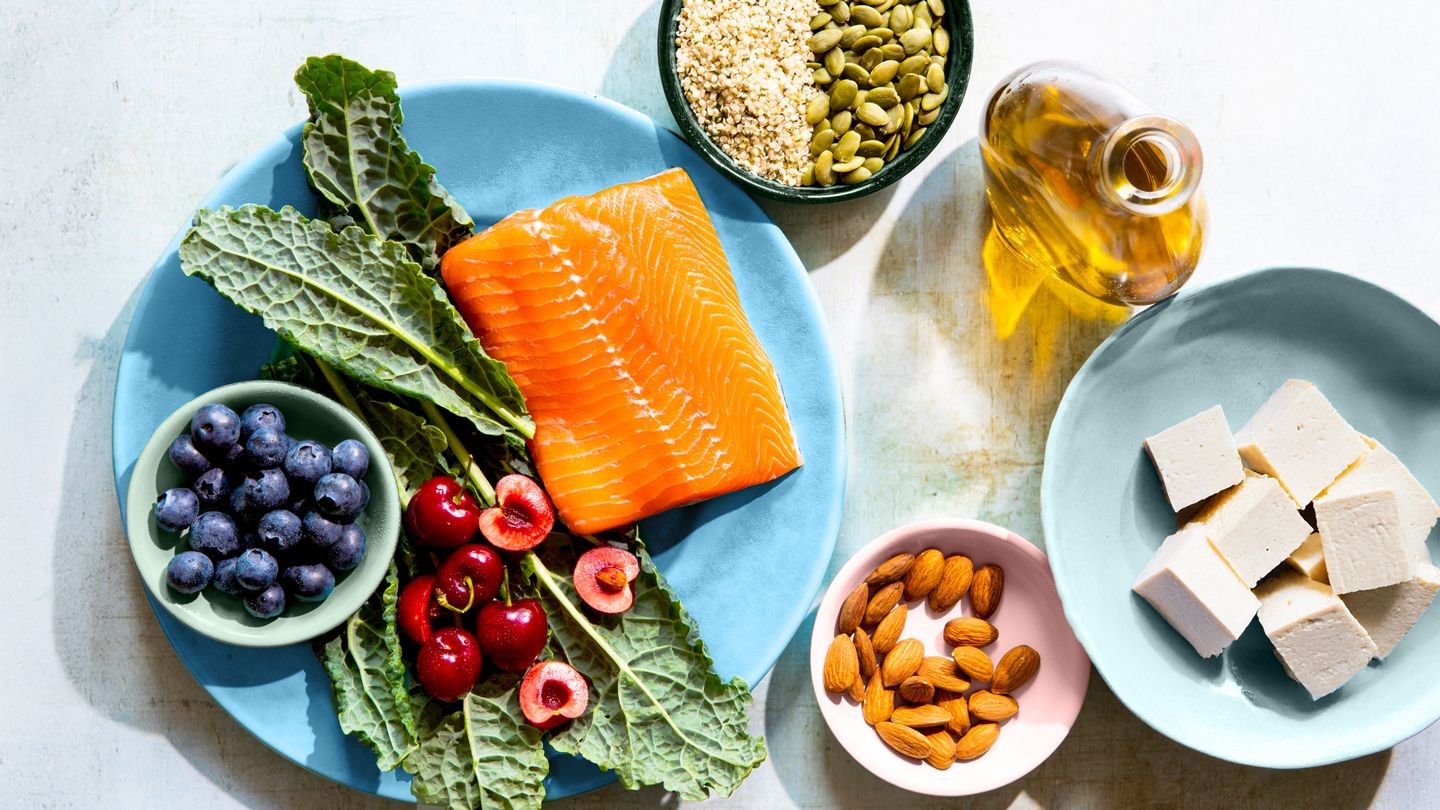
The goal is to prioritize foods that reduce inflammation while minimizing those that promote it. Key components include:
- Fruits and Vegetables: Rich in antioxidants and phytonutrients that combat inflammation.
- Whole Grains: Provide fiber and nutrients without the refined sugars found in processed grains.
- Nuts and Seeds: Good sources of healthy fats, including omega-3s, which are anti-inflammatory.
- Legumes: Plant-based protein with anti-inflammatory properties.
- Herbs and Spices: Turmeric and ginger, in particular, have potent anti-inflammatory compounds.
- Omega-3 Rich Fish: Salmon, sardines, and other fatty fish provide essential fatty acids.
- Olive Oil: A healthy fat source linked to reduced inflammation.
Foods to Limit or Avoid:
- Sugar-Sweetened Beverages: Promote inflammation and gut imbalance.
- Deep-Fried Foods: High in inflammatory fats.
- Processed Meats: Often contain inflammatory additives.
- Store-Bought Baked Goods: Typically loaded with refined sugars and unhealthy fats.
What Research Shows
Studies suggest that omega-3 fatty acids can directly improve skin inflammation in eczema. Plant-based diets, rich in fruits, vegetables, and fiber, are also linked to improved skin barrier function and reduced symptoms. Conversely, high consumption of pro-inflammatory foods is associated with a higher prevalence of atopic dermatitis.
However, it’s crucial to note that research is ongoing. The exact effect of diet varies from person to person, and dietary changes alone are unlikely to cure eczema. Instead, they can be a valuable part of a broader management strategy.
Gut Health and Eczema: The Connection
The gut microbiome profoundly influences skin health. An imbalanced gut microbiome can trigger systemic inflammation, exacerbating eczema symptoms. A diverse, anti-inflammatory diet supports a healthy gut, providing fuel for beneficial bacteria. This, in turn, can improve skin health.
“There’s a clear connection between gut health and eczema through the gut-skin axis. A healthy gut microbiome is essential for preventing dysbiosis and reducing inflammation that can worsen skin conditions.”
The Bottom Line
An anti-inflammatory diet isn’t a standalone cure for eczema, but it’s a potentially valuable tool for managing symptoms. By prioritizing whole, unprocessed foods and minimizing inflammatory triggers, individuals may reduce systemic inflammation, improve gut health, and support healthier skin.
The science is still evolving, but the link between diet, inflammation, and eczema is becoming increasingly clear.