



The risk of contracting human immunodeficiency virus (HIV) varies significantly depending on the type of exposure. However, effective prevention strategies exist, making HIV a preventable infection. This article breaks down the risks associated with different exposures and outlines how to protect yourself and others.
Risk Levels by Exposure Type
Anal Sex: Receptive anal sex without a condom carries the highest transmission risk, estimated at 0.5–1.4% per exposure—roughly 1 in 70 to 1 in 140 encounters. The insertive partner faces a lower risk (under 0.1%), though transmission can still occur through bodily fluids or sores.
Vaginal Sex: Receptive vaginal intercourse carries a 0.08% risk, while insertive vaginal intercourse has a 0.04% risk. Women account for 18% of new HIV diagnoses, often contracting the virus through unprotected sex with an infected male partner.
Oral Sex: The risk of HIV transmission through oral sex is low unless blood is present (e.g., from bleeding gums or open sores). Ejaculating into a partner’s mouth, under such conditions, could theoretically transmit the virus.
Shared Needles: Injecting drugs using shared needles, syringes, or other equipment carries a 0.6% risk. This applies to drug use, steroid injections, piercings, and tattoos—any activity involving shared blood exposure. HIV can survive in used needles for up to 42 days under certain conditions.
Other Sources: While rare, HIV can theoretically be transmitted through blood transfusions (though this is almost nonexistent in developed countries), biting, or sharing sex toys. Vertical transmission (mother to child) is possible during pregnancy or childbirth but can be reduced to less than 1% with treatment.
Effective Prevention Methods
Several proven methods can significantly reduce HIV transmission risk:
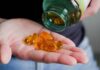
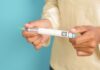
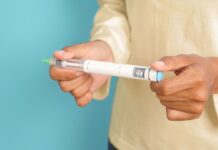
- Pre-Exposure Prophylaxis (PrEP): Oral or injectable PrEP reduces the risk of sexual HIV acquisition by about 99% and injection-related risk by over 74%.
- Post-Exposure Prophylaxis (PEP): Emergency medication taken within 72 hours of exposure can lower infection odds. It must be started as soon as possible, ideally within 24–36 hours, and taken for 28 days.
- Antiretroviral Therapy (ART): People with HIV who maintain an undetectable viral load through ART do not transmit the virus sexually.
- Condoms: Consistent and correct use lowers the risk of transmission.
- Sterile Equipment: Using sterile needles and syringes prevents HIV spread among drug users.
- STI Testing: Untreated sexually transmitted infections (STIs) can increase HIV transmission risk by up to 8 times.
What to Do If Exposed
If you suspect HIV exposure, seek medical attention immediately. PEP is most effective when started early.
Conclusion
The probability of HIV infection varies widely, with unprotected anal sex posing the highest risk. By understanding these risks and utilizing available prevention methods, you can drastically reduce your chances of contracting or spreading HIV. Early testing, treatment, and consistent prevention measures are crucial for protecting your health and the health of others.