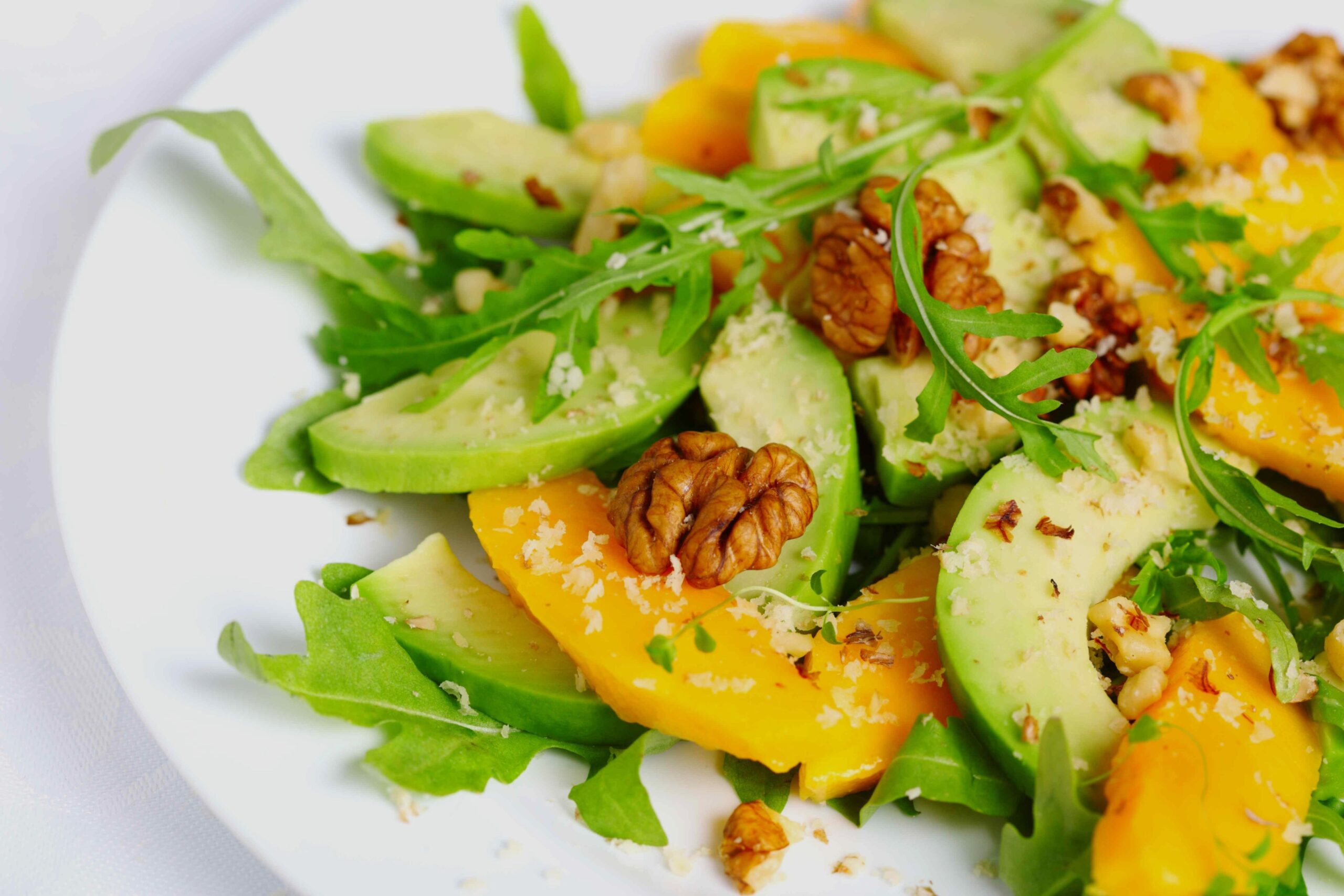
A recent study suggests that incorporating a daily serving of both mango and avocado may positively impact cardiovascular health, particularly for individuals with prediabetes – a condition affecting a substantial portion of the U.S. population and increasing the risk of developing type 2 diabetes and heart disease. The research, led by Dr. Britt Burton-Freeman at Illinois Tech, underscores the effectiveness of modest dietary adjustments in improving key health indicators.
The Study Design and Key Findings
Researchers followed 82 adults diagnosed with prediabetes over eight weeks. Participants were divided into two groups: one consumed a daily cup of mango and avocado, while the control group ate a diet with equivalent caloric intake from other sources. The study found that the mango-avocado group experienced a 1% average improvement in flow-mediated dilation (FMD), a measure of blood vessel function, whereas the control group saw a slight decline.
Why this matters: Each 1% increase in FMD is correlated with approximately a 13% reduction in cardiovascular events like stroke or heart attack. Additionally, men in the mango-avocado group demonstrated modestly lower diastolic blood pressure, another important marker of heart health. Participants consuming the two fruits also increased their intake of fiber, vitamin C, and healthy fats.
How Mango and Avocado May Benefit Cardiovascular Health
The exact mechanisms behind these benefits remain under investigation, but both fruits contain compounds known to support endothelial function—the ability of blood vessels to relax and regulate blood flow. Mangoes and avocados are rich in nutrients like vitamin C and potassium, and contain phytochemicals that protect the inner lining of blood vessels.
Nutritionist Lara Zakaria emphasizes that these fruits may work synergistically, with avocado’s monounsaturated fats potentially enhancing the absorption of phytochemicals. The study challenges the misconception that fruits beyond low-glycemic berries are detrimental to metabolic health.
Study Limitations and Broader Implications
The study was limited by its small sample size, short duration, and focus solely on prediabetic participants. The findings do not automatically translate to individuals without prediabetes, and the research measured early indicators of cardiovascular health rather than long-term outcomes. It is also important to note that the study was partially funded by the Hass Avocado Board and the National Mango Board.
Despite these limitations, experts suggest that increasing fruit consumption, including mango and avocado, can be a simple and accessible way to improve cardiovascular health. Cardiologist Dr. Kevin Shah points out that consistent, small dietary changes are often more effective than relying on single “superfoods.”
In conclusion: While further research is needed, this study supports the idea that incorporating mango and avocado into the daily diet may contribute to improved vascular health, particularly for those with prediabetes. The findings reinforce the importance of accessible, culturally relevant dietary choices for promoting cardiovascular well-being.