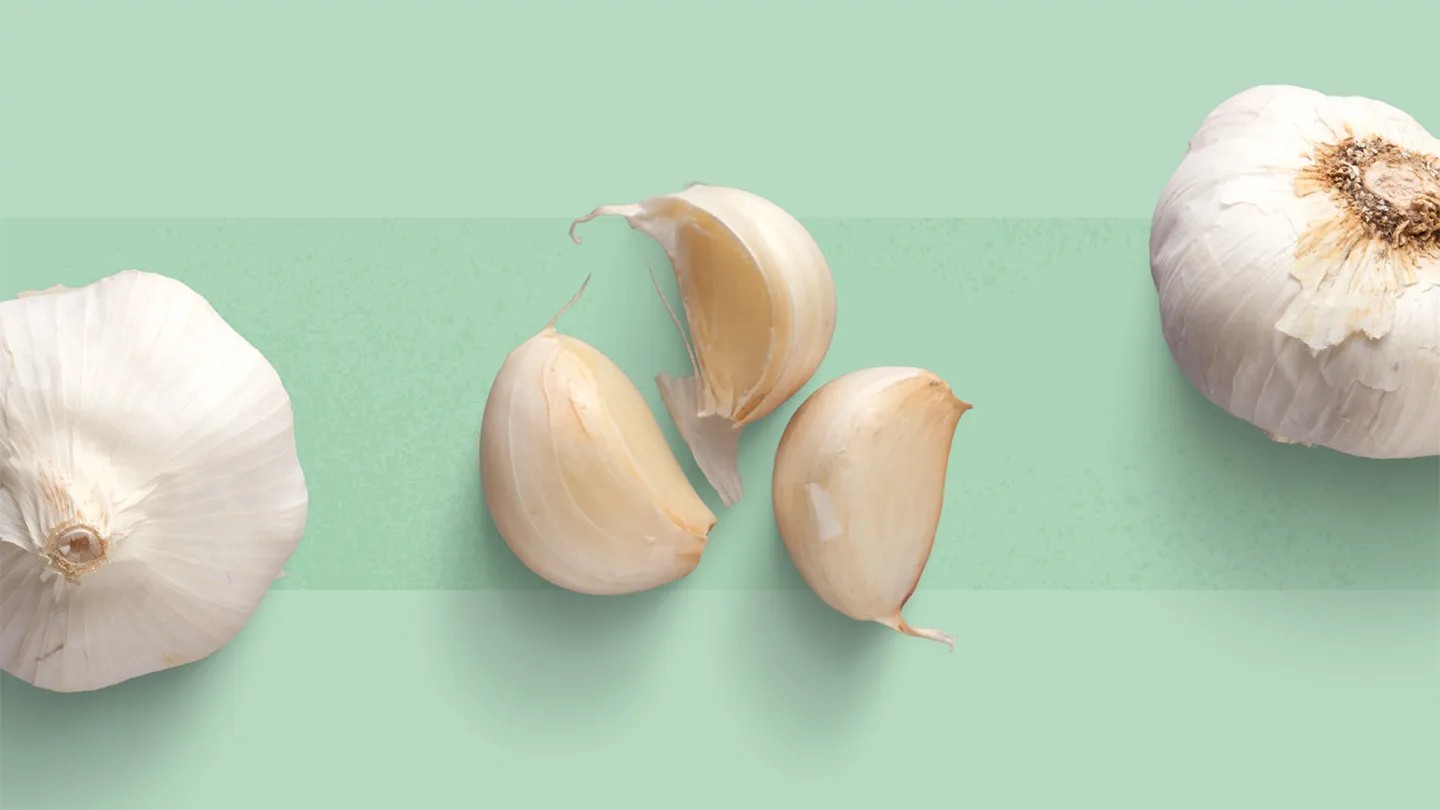
Garlic is a staple in many cuisines and a frequent topic in health discussions. While both raw and cooked garlic offer benefits, the preparation method significantly impacts its nutritional value and effectiveness. This article breaks down the science behind garlic’s health properties, explaining how to get the most from this versatile ingredient.
The Nutritional Power of Garlic
Garlic contains only 13 calories per three-clove serving, but it packs a nutritional punch. It provides small amounts of essential vitamins (B6, niacin, riboflavin, thiamine) and minerals (selenium, calcium, magnesium), but its real strength lies in sulfur-containing compounds, most notably allicin.
Allicin isn’t present in intact garlic; it forms when garlic is crushed, chopped, or chewed. This process activates enzymes that convert alliin into allicin, which is responsible for much of garlic’s health-promoting effects. The amount of allicin dictates the potency of garlic’s benefits.
Cooking Impacts Nutrient Retention
Heating garlic alters its chemical composition, reducing the amount of allicin and other beneficial compounds. High temperatures degrade water-soluble vitamins like B and C, and even lower heat can diminish allicin’s potency.
Research shows that raw garlic is more effective at protecting cells from damage and inhibiting cancer growth than cooked garlic. If cooking is necessary, keeping temperatures below 140°F (60°C) helps preserve more allicin. Adding garlic later in the cooking process minimizes heat exposure.
Key Health Benefits Supported by Research
Garlic’s health benefits are widely studied and include:
Reducing Inflammation
Garlic contains diallyl disulfide, a compound with anti-inflammatory properties. Studies show garlic consumption – whether through food or supplements – can reduce inflammation in people with colds, flu, diabetes, and even healthy individuals. Some research suggests it may even help manage inflammatory bowel disease.
Improving Cardiovascular Health
Garlic is a cornerstone of the heart-healthy Mediterranean diet. Research indicates that eating garlic can lower blood pressure, reduce waist circumference, and improve cholesterol levels – all major risk factors for heart disease. Aged black garlic supplements have also shown promise in lowering diastolic blood pressure, particularly in men with hypertension.
Potential Cancer Prevention
Emerging research suggests that garlic and allicin may have anticancer effects, particularly in the esophagus, pancreas, breast, endometrium, and prostate. While more human studies are needed, observational studies link higher garlic consumption to a lower risk of these cancers.
Conclusion
Garlic offers health benefits whether eaten raw or cooked. However, maximizing its effectiveness requires understanding how preparation affects its key compound, allicin. Raw garlic delivers the most potent dose, while cooking at lower temperatures can help preserve some of its benefits. Incorporating garlic into your diet – in any form – can contribute to reduced inflammation, improved cardiovascular health, and potentially lower cancer risk.