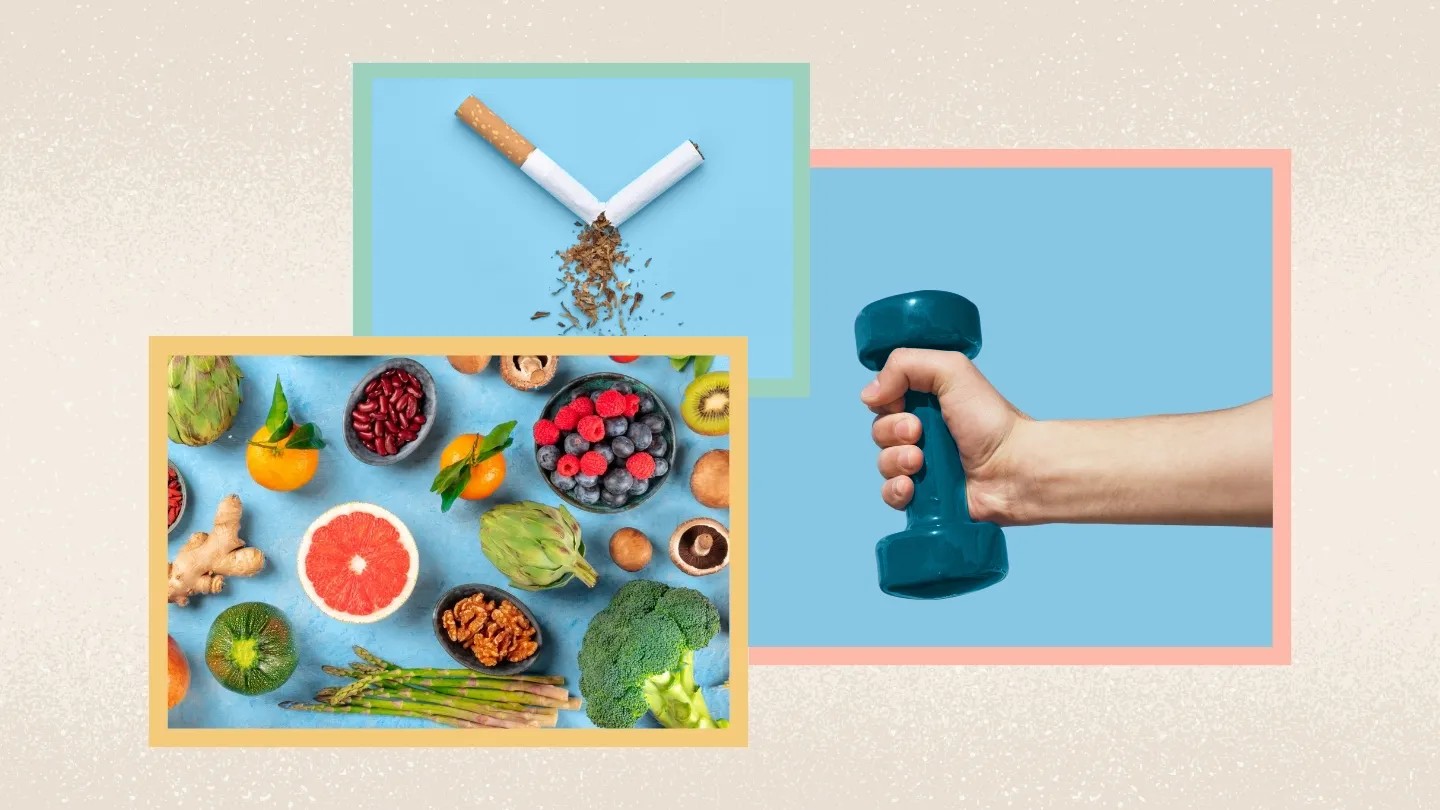
New research suggests that the key to preventing Irritable Bowel Syndrome (IBS) may lie in a combination of daily habits. A large-scale study published in the journal Gut has revealed that individuals who adopt multiple healthy lifestyle behaviors can reduce their risk of developing IBS by as much as 42 percent.
The Power of Cumulative Habits
While many people focus on single dietary changes to manage gut health, this study emphasizes that lifestyle is cumulative. Researchers tracked over 64,000 adults in the United Kingdom for more than 12 years, observing how various behaviors influenced the onset of IBS.
The study identified five core behaviors that contribute to a lower risk:
1. Never smoking
2. Getting quality sleep (at least seven hours per night)
3. Regular physical activity (75 minutes of vigorous exercise weekly)
4. Eating a balanced diet (rich in fruits, vegetables, and whole grains)
5. Moderate alcohol consumption (limiting intake to one drink daily)
The findings showed a clear correlation between the number of healthy habits maintained and the reduction in risk:
– One healthy behavior: 21% lower risk.
– Two healthy behaviors: 36% lower risk.
– Three to five healthy behaviors: 42% lower risk.
The “Big Three” for Gut Health
While all five factors are beneficial, three specific habits stood out as the most powerful independent predictors of lower IBS risk:
- Sleep: Getting at least seven hours of sleep offered the greatest protection, reducing risk by 27%.
- Exercise: Engaging in vigorous physical activity reduced risk by 17%.
- Smoking Cessation: Avoiding nicotine lowered risk by 14%.
Why does this matter? Medical experts note that sleep and exercise do more than just physically benefit the body; they manage stress. Since the gut and brain are deeply interconnected, high stress levels can amplify gastrointestinal distress, making these “lifestyle” habits essential biological regulators.
A Surprising Note on Alcohol
Interestingly, the study found that moderate alcohol consumption, when paired with other healthy habits, was associated with a greater drop in IBS risk than complete abstinence. While scientists are still investigating why, they suggest that the social benefits and reduced stress associated with moderate, social drinking might play a role in overall well-being.
Managing Symptoms and Triggers
It is important to note that this was an observational study. This means that while these habits are strongly linked to lower risk, they are not a guaranteed “cure” or a way to prevent IBS entirely.
For those already living with the condition—which affects between 25 and 45 million people in the U.S.—managing triggers is vital. Common culprits include:
– Dietary triggers: Spicy foods, dairy, gluten, caffeine, and high-fat foods.
– Physical triggers: Nicotine (which can increase stomach acid and constrict vessels) and poor sleep (which prevents the body from repairing itself).
Treatment Options
If lifestyle changes are not enough to manage symptoms like abdominal pain, bloating, or irregular bowel movements, healthcare providers may recommend:
– Dietary adjustments and increased water intake.
– Fiber supplements for constipation.
– Antidiarrheal medications.
– Prescription medications, including receptor agonists or even low-dose antidepressants to manage the gut-brain connection.
Conclusion: While genetics and other factors play a role, adopting a “bundle” of healthy habits—specifically prioritizing sleep, exercise, and smoking cessation—can significantly decrease your likelihood of developing IBS.