





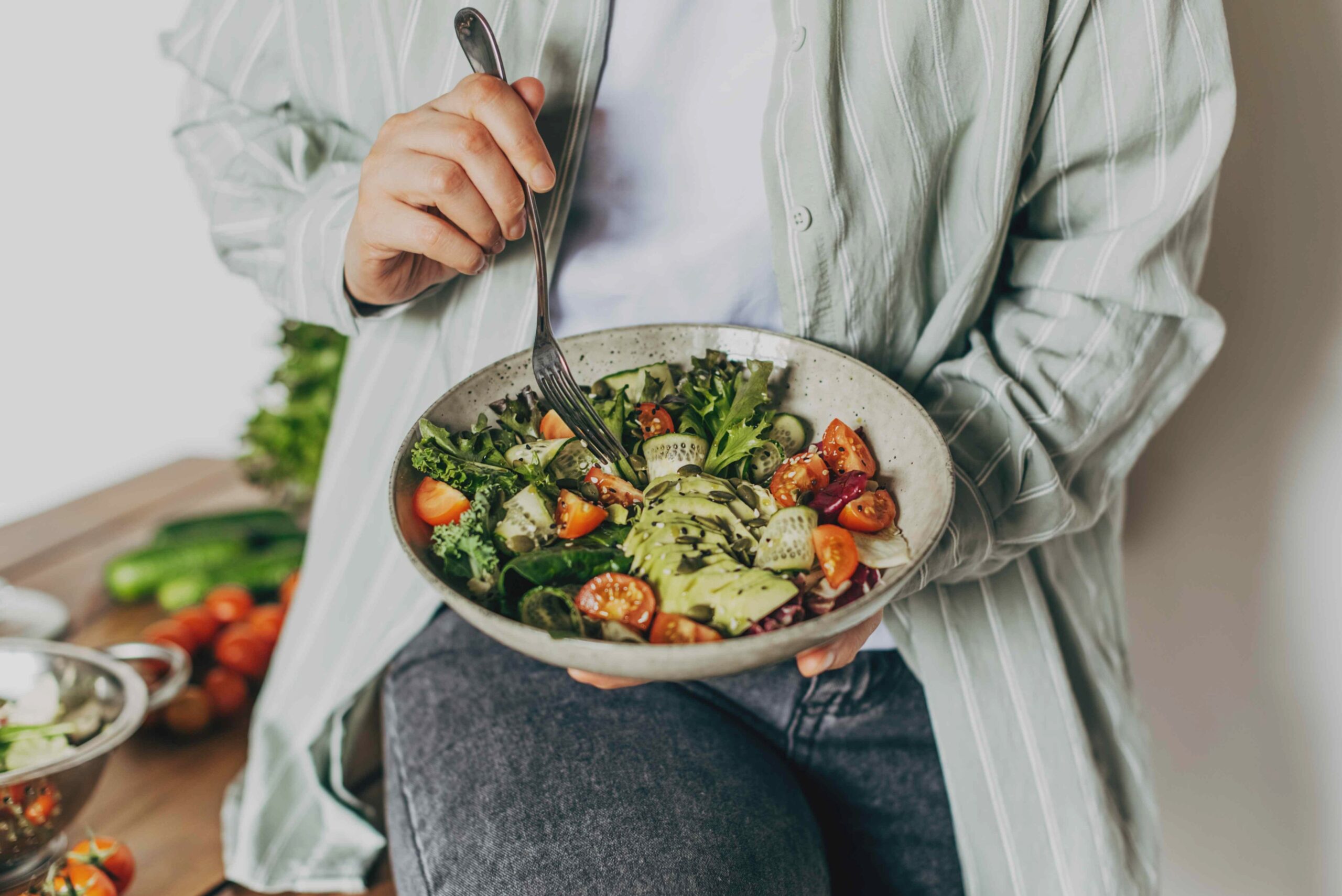
Superfoods are not magic bullets, but nutrient-dense foods that can significantly improve overall health when incorporated into a balanced diet. From boosting immunity to reducing chronic disease risk, these foods offer concentrated benefits that go beyond basic nutrition. Here’s a breakdown of 11 top superfoods, why they matter, and how they can enhance your well-being.
Leafy Greens: The Cellular Shield
Leafy greens – spinach, kale, Swiss chard, arugula – are packed with carotenoids, natural pigments that act as cellular protectors. Carotenoids don’t just give vegetables their vibrant color; they actively reduce inflammation and may lower the risk of cancers like breast and pancreatic cancer. This matters because chronic inflammation is a root cause of many modern diseases.
Cruciferous Vegetables: Cancer-Fighting Power
Broccoli, cauliflower, and cabbage fall into the cruciferous family, known for their high vitamin and mineral content (folate, magnesium, vitamins A and C). They also contain glucosinolates, which the body converts into isothiocyanates. These compounds help defend cells against damage and inflammation. Eating more cruciferous vegetables is a proactive step toward reducing cancer and heart disease risk.
Berries: Antioxidant Richness
Blueberries, strawberries, and blackberries consistently rank high in superfood lists for a reason. They’re loaded with antioxidants, vitamin C, B vitamins, and fiber, offering protection against chronic diseases like heart disease, diabetes, and even certain cancers. Berries combat oxidative stress, a major contributor to aging and disease.
Fatty Fish: Omega-3 Powerhouse
Salmon, mackerel, trout, and sardines are rich in omega-3 fatty acids, powerful anti-inflammatories that protect cells. Fatty fish also provide essential nutrients like protein, B12, vitamin E, selenium, iron, and crucially, vitamin D. Vitamin D deficiency is widespread; fatty fish is a potent natural source. Regular consumption can lower the risk of heart disease and colorectal cancer.
Herbs and Spices: Natural Defense
Turmeric, ginger, parsley, oregano, and thyme aren’t just flavor enhancers; they’re packed with health-protective compounds. Curcumin in turmeric fights cancer and supports brain health. Flavonoids in parsley protect against heart disease and cognitive decline. These compounds offer significant benefits beyond their culinary uses.
Citrus Fruits: Immunity Boosters
Lemons, oranges, and grapefruits are vitamin C powerhouses. Vitamin C strengthens the immune system, protects skin health, and acts as a potent antioxidant. Regular citrus consumption has been linked to lower risks of heart disease and certain cancers.
Fermented Foods: Gut Health Allies
Yogurt, sauerkraut, kimchi, and kefir contain probiotics – beneficial bacteria that improve gut health. A healthy gut microbiome lowers inflammation, strengthens the gut lining, and enhances nutrient absorption. Fermented foods also provide protein, calcium, vitamin A, and selenium.
Nuts and Seeds: Nutrient Density
Walnuts, almonds, hemp seeds, pumpkin seeds, and chia seeds are rich in fiber, protein, healthy fats, vitamin E, and magnesium. Magnesium balances blood sugar and blood pressure while supporting a healthy stress response. These foods promote regularity and improve metabolic health.
Organ Meats: Iron and Nutrient Goldmine
Liver, kidney, and heart may not be mainstream, but they’re incredibly nutrient-dense. Organ meats are the best source of iron, essential for oxygen transport and energy production. They also pack high amounts of B vitamins, vitamin A, selenium, and zinc.
Cocoa: Antioxidant Delight
Dark chocolate and cacao nibs are surprisingly rich in flavonoids, potent antioxidants linked to lower risks of heart disease, cancer, and neurodegenerative conditions. Cocoa offers more flavonoids by weight than most other foods.
Onions and Garlic: Allium Power
Onions and garlic contain compounds that protect against certain cancers, heart disease, and kidney disease. They are a good source of vitamin C and other beneficial nutrients that contribute to overall health.
In conclusion, incorporating these superfoods into your diet isn’t about following a trend; it’s about prioritizing nutrient-rich choices that support long-term health and well-being. Small, consistent changes can yield significant benefits, making superfoods a smart addition to any eating plan.