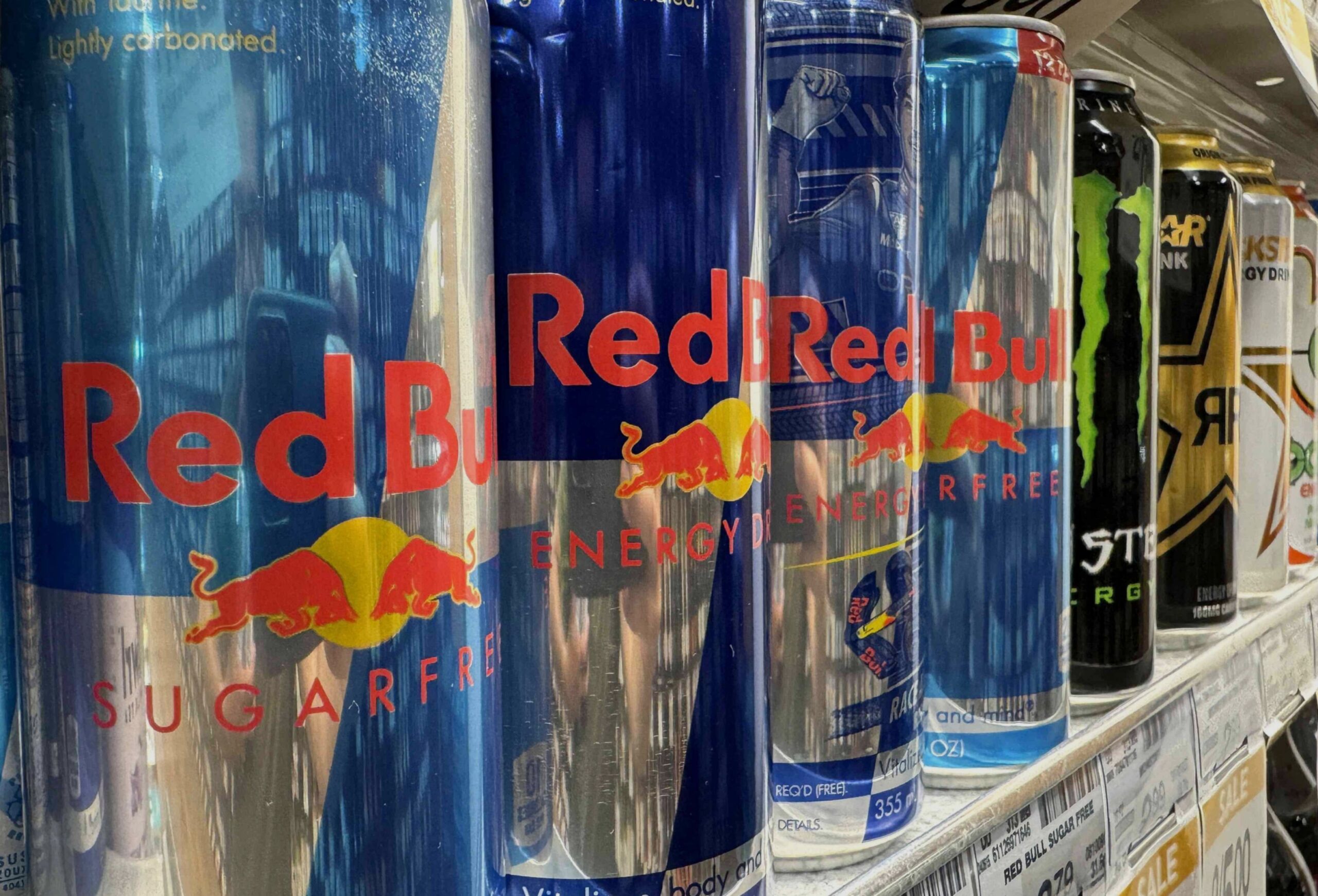
Recent studies have sparked concern about taurine, an amino acid commonly found in energy drinks, and its potential link to leukemia. While research on mice shows that taurine can accelerate the growth of leukemia cells, it’s critical to understand this does not automatically translate to human cancer risk. The current findings are limited to laboratory models, and no studies have directly shown taurine causes leukemia in people.
The Mouse Study Explained
The research, published in Nature, found that leukemia cells in mice utilized taurine to fuel their growth, effectively making the cancer more aggressive. However, this was observed in cells already exhibiting cancerous behavior. Researchers did not administer taurine to healthy mice to see if it initiated leukemia development. This distinction is crucial: correlation does not equal causation.
Why Human Data is Missing
Medical experts, such as Dr. Thomas George at the University of Florida, emphasize the importance of caution. “This study was very well conducted and provides insights into leukemia biology, but the average person shouldn’t alter their diet based on it.” Taurine is naturally produced by the human body and found in common foods like meat, seafood, and dairy. Energy drinks contain taurine concentrations 100 to 1,000 times higher than natural sources, but there’s no evidence that these levels directly cause leukemia.
What the Experts Say
Dr. Vijay Yadav of Rutgers University underscores the need for human data before drawing firm conclusions. “We need to wait until we have data in humans to understand what, if anything, these results mean for the general public.” Currently, the only individuals who may want to limit taurine intake are those with existing leukemia or in remission, as a precautionary measure.
The Conflicting Research
The science surrounding taurine is complex. Some studies suggest potential health benefits, including improved cardiovascular function and even lifespan extension in animal models. However, other research explores whether taurine might influence gut bacteria in ways that could increase colorectal cancer risk. These conflicting findings highlight the need for continued investigation.
Beyond Taurine: The Bigger Picture
While the taurine debate continues, it’s important to recognize the broader health risks associated with energy drinks. These beverages are often loaded with sugar, a known contributor to diabetes and heart disease. High caffeine levels can disrupt sleep, trigger anxiety, and, in rare cases, lead to serious cardiovascular issues.
The key takeaway: moderation is essential. More research is needed to clarify taurine’s role in human health. But the immediate concerns surrounding energy drinks stem from their excessive sugar and caffeine content, not just the presence of taurine.