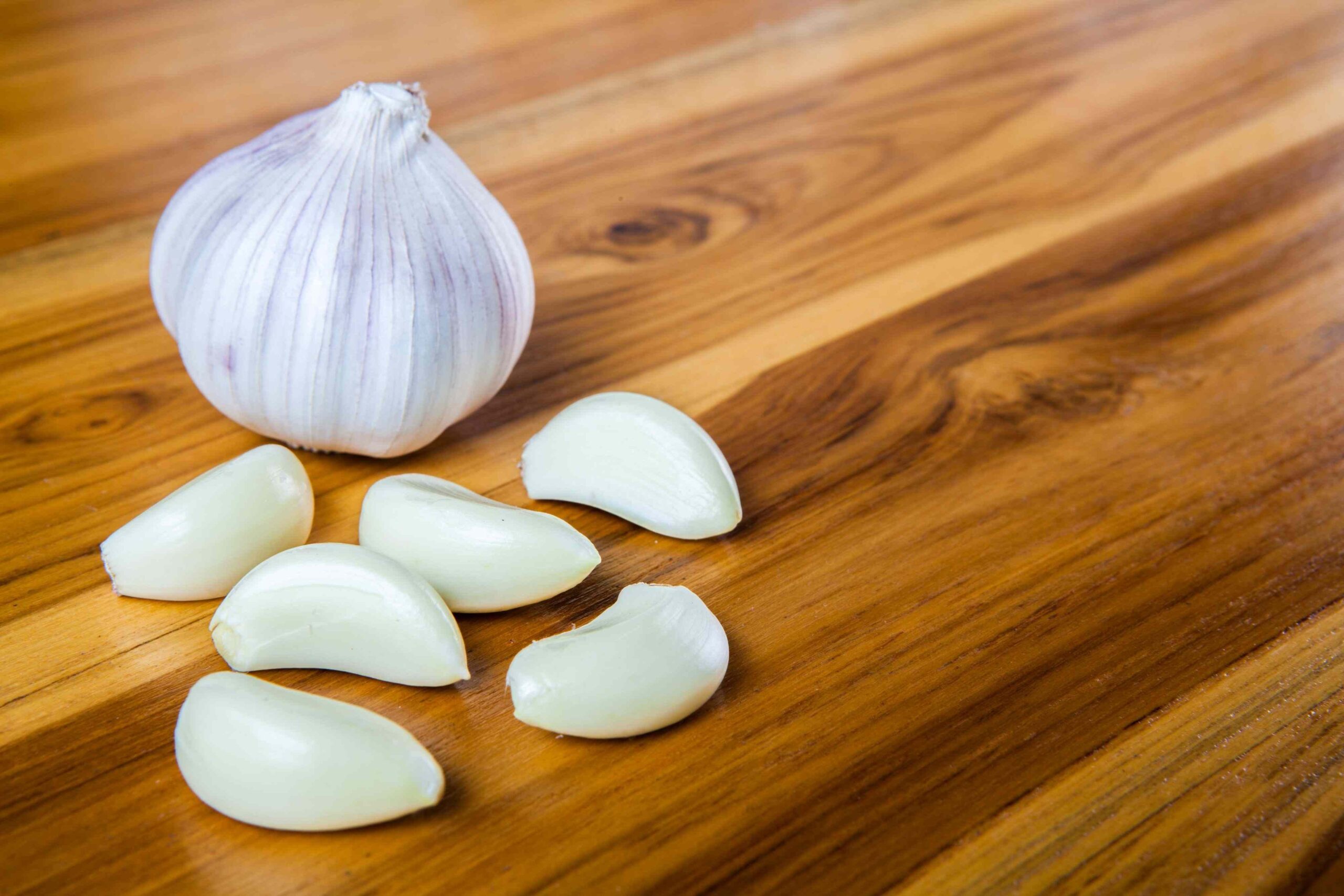
Raw garlic isn’t just a pungent ingredient—it’s a powerhouse of compounds that support heart health, immunity, and more. While cooking garlic mellows its flavor, it also diminishes some of its most potent benefits. Here’s a breakdown of what happens to your body when you consume garlic in its rawest form.
Heart and Artery Support: A Natural Booster
Garlic impacts cardiovascular health in multiple ways. Studies show that garlic supplements can lower blood pressure in individuals with hypertension, reducing the risk of heart disease and stroke. This effect is linked to allicin, a key compound that relaxes blood vessels and inhibits angiotensin—a hormone that raises blood pressure.
Beyond blood pressure, garlic may also help manage cholesterol levels. Meta-analyses indicate that daily garlic supplements can lower total and LDL (“bad”) cholesterol, though more research is ongoing. Crucially, garlic also exhibits antithrombotic properties, meaning it helps prevent blood clots. This is because it inhibits platelet aggregation, reducing the risk of dangerous blockages.
Why this matters: Cardiovascular disease remains the leading cause of death globally. Natural interventions like garlic may offer a low-risk way to support heart health alongside traditional treatments.
Immune System Reinforcement: Fighting Off Illness
Raw garlic can significantly boost immune function. Trials have demonstrated that adults taking garlic supplements during cold and flu season experience fewer and less severe symptoms. While it doesn’t necessarily prevent getting sick, it does reduce the impact—leading to fewer missed work or school days.
The mechanism? Garlic contains sulfur compounds with anti-inflammatory properties, reducing the severity of infection symptoms. Additionally, these compounds exhibit antiviral activity, potentially interfering with viruses’ ability to replicate.
The science behind it: The sulfur compounds in garlic don’t just fight off disease; they also play a role in cellular health and antioxidant defense.
Antioxidant Power: Protecting Cells from Damage
Garlic is rich in antioxidants, particularly S-allyl-l-cysteine (SAC). These compounds neutralize free radicals—unstable molecules that cause oxidative stress. Oxidative stress contributes to aging, neurological conditions (like Alzheimer’s), cancer, and chronic disease.
Early research suggests that SAC may protect neurons from damage and inflammation, potentially offering benefits in neurodegenerative diseases. Preliminary studies also hint at a cancer-preventive effect, though further research is needed.
A broader context: Oxidative stress is a universal health challenge. Antioxidant-rich foods like garlic play a vital role in mitigating its effects.
Digestive Harmony: Feeding Your Gut Microbiota
Garlic is a potent prebiotic, meaning it feeds beneficial gut bacteria. Fructans, saccharides, and fiber in garlic reach the intestines undigested, nourishing species like bifidobacteria and lactobacilli. These bacteria are crucial for digestion, nutrient absorption, and even immune function. A healthy gut microbiota is linked to better overall health.
Blood Sugar Management: A Potential Ally
Studies suggest that daily garlic supplementation may help manage blood sugar levels. Researchers have observed reductions in fasting glucose and HbA1c levels, indicating potential benefits for people with diabetes. Organosulfur compounds in garlic may stimulate insulin production, though larger studies are necessary.
Bone and Joint Support: Reducing Inflammation
The antioxidants in garlic may also promote bone health. Clinical trials have shown that garlic supplements can reduce markers of oxidative stress associated with osteoporosis, a disease that weakens bones. Garlic’s anti-inflammatory effects may also alleviate joint pain in conditions like osteoarthritis.
Maximizing Benefits: How to Eat Raw Garlic
To get the most from raw garlic, crush or chop one to two cloves and let them sit for about 10 minutes before consuming. This allows allicin and other compounds to fully form. Be mindful that eating garlic on an empty stomach can cause digestive irritation. Pairing it with food (like dips or dressings) mitigates this effect.
In conclusion, raw garlic offers a remarkable range of health benefits—from supporting heart health and immunity to protecting cells from damage. While further research is always needed, the existing evidence suggests that incorporating raw garlic into your diet can be a simple yet powerful way to boost overall well-being.