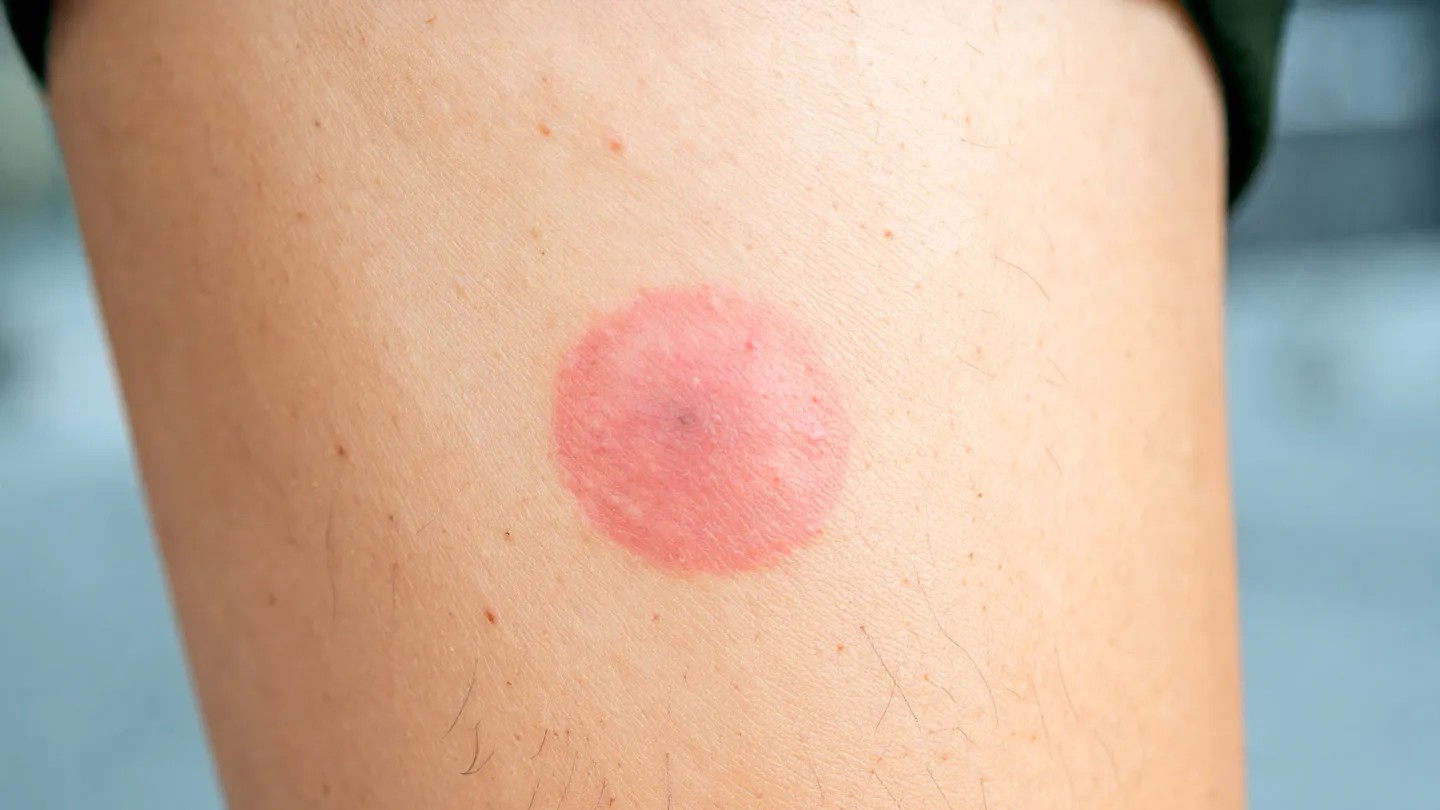
Tick bites are often overlooked, yet they can transmit serious diseases like Lyme disease. Unlike mosquito bites, ticks don’t usually cause immediate irritation, making detection tricky. Here’s a breakdown of how to identify a tick bite, what symptoms to watch for, and how to protect yourself.
Identifying a Tick Bite
Ticks inject immunosuppressants into the skin, suppressing the typical inflammatory response seen with other insect bites. This means a tick bite doesn’t necessarily itch or swell right away. After the tick detaches, a red bump or lesion may develop, but it can easily be mistaken for a mosquito bite. If the tick didn’t carry an infection, the bite will likely fade quickly.
Recognizing Infection Symptoms
The key is to monitor for symptoms after the bite. Fever, chills, swollen lymph nodes, and fatigue within a week to ten days could indicate a tick-borne illness. The most recognizable sign is a bull’s-eye rash: a red welt surrounded by one or more rings of inflamed skin. If you notice this or a bite that looks larger than a mosquito bite, see a doctor immediately.
Other potential symptoms to watch for, which may develop months later, include severe headaches, neck stiffness, muscle weakness (especially facial droop), intense joint pain, irregular heartbeat, and nerve pain.
Treating a Tick Bite
If you find a tick attached to your skin, remove it carefully using fine-tipped tweezers. Grasp the head as close to the skin as possible and pull straight out to avoid leaving mouthparts behind. Place the tick in alcohol or a sealed bag for testing if desired.
Clean the bite area with soap and water. A small red bump is normal, but watch for increasing size, pain, or oozing. Seek medical attention if you develop any concerning symptoms.
Preventing Tick Bites
Ticks thrive in wooded and grassy areas. To avoid bites, wear long pants and shirts, use insect repellent (permethrin is effective), and check your skin thoroughly after spending time outdoors. Throw clothes in the dryer on high heat to kill any lingering ticks.
The Rising Threat of Lyme Disease
Lyme disease is becoming more common in the United States, making prevention crucial. By understanding how to identify bites, recognize symptoms, and take preventive measures, you can significantly reduce your risk of infection. Early detection and treatment with antibiotics are key to preventing long-term complications.