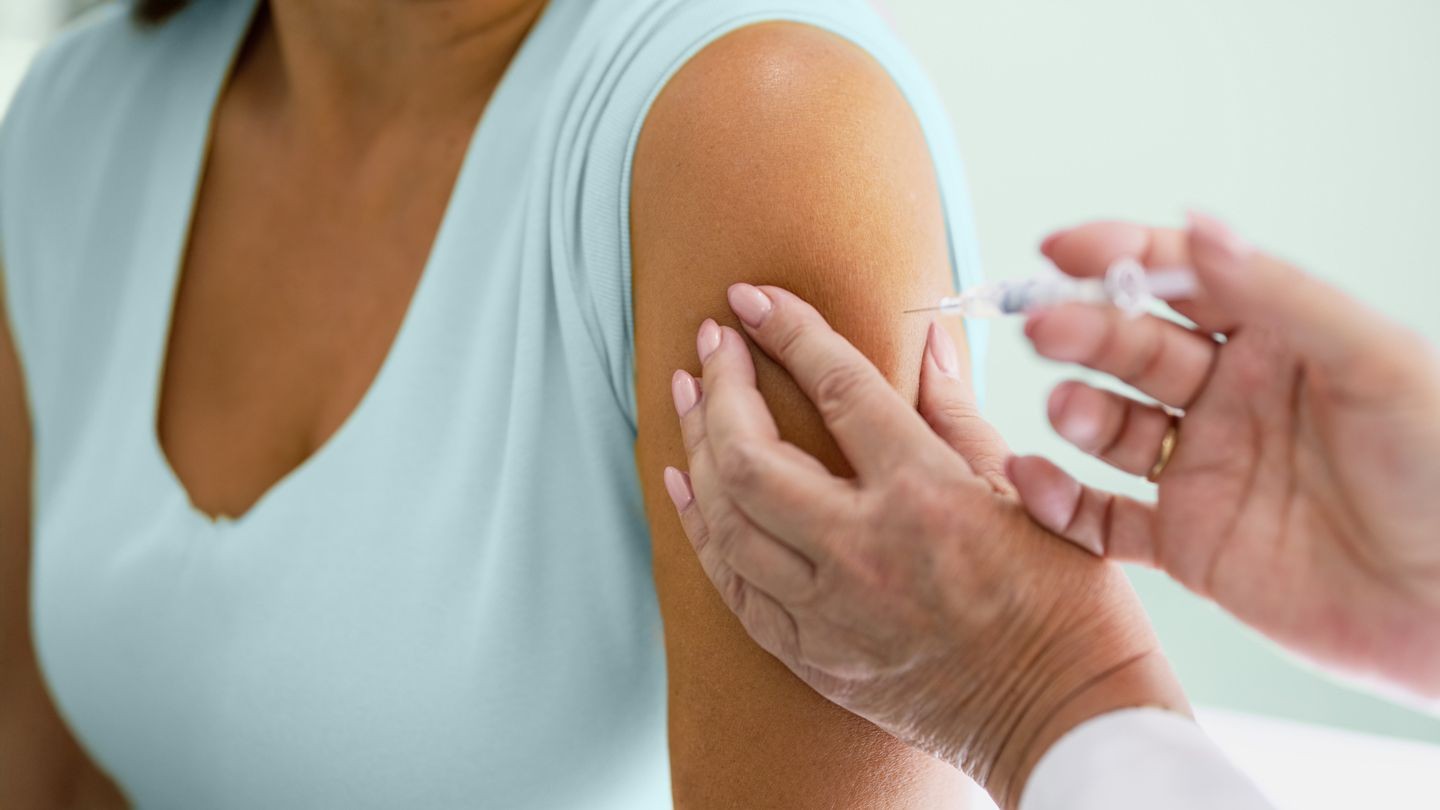
Recent studies demonstrate a compelling link between the shingles vaccine and a reduced risk of dementia, including a near 50% decrease in dementia-related deaths among vaccinated individuals. The findings, based on analysis of health records from over 280,000 older adults in Wales, suggest that vaccination not only prevents new cases of mild cognitive impairment but also offers therapeutic benefits for those already diagnosed with dementia.
Key Findings: A Significant Reduction in Dementia Risk
Researchers found that vaccinated individuals with existing dementia had a substantially lower mortality rate over nine years (30% death rate) compared to unvaccinated counterparts (60% death rate). This suggests the vaccine isn’t just preventative; it may slow disease progression. Notably, women experienced greater protection than men, potentially due to stronger immune responses or differences in how dementia develops across genders.
The study also revealed a 3 percentage point reduction in new diagnoses of mild cognitive impairment among vaccinated adults, indicating the vaccine’s potential to delay or prevent cognitive decline.
Why This Matters: A Unique Observational Study
The strength of this research lies in its quasi-experimental design. A unique vaccination program in Wales, designed to ration supply, created naturally comparable groups: those eligible for the vaccine at age 79 versus those ineligible at age 80. This allowed researchers to analyze dementia rates with a level of control rarely seen in long-term disease studies. Similar protective effects have been observed in datasets from New Zealand, Australia, and Canada, strengthening the validity of the findings.
This is significant because conducting true randomized trials for dementia prevention is extremely difficult due to the decades-long timeframe required to observe outcomes.
The Science Behind the Connection: Inflammation and Viral Reactivation
Experts suggest the link between shingles vaccination and dementia reduction stems from the role of inflammation in neurodegenerative diseases. Severe viral infections, like the flu, can accelerate cognitive decline. Preventing shingles, caused by the reactivation of the chickenpox virus, may reduce chronic inflammation and protect against Alzheimer’s and other forms of dementia.
Monica Carson, PhD, chair of biomedical sciences at the University of California in Riverside, explains that “more inflammation is associated with increased risk, so there is a common sense to this.”
What About US Vaccines? Shingrix vs. Zostavax
The research utilized the Zostavax vaccine, no longer available in the United States. The current US vaccine, Shingrix, may be even more effective. Researchers believe Shingrix’s superior protection against shingles itself could translate to greater benefits for dementia prevention. Further studies are needed to confirm this, but the existing data suggests a compelling argument for widespread vaccination.
Conclusion: A New Reason to Get Vaccinated
The evidence strongly suggests a protective relationship between shingles vaccination and dementia. This finding reinforces the existing benefits of preventing shingles – a painful viral infection with potentially serious complications – and provides a powerful new incentive for older adults to get vaccinated. Given the low cost and proven efficacy, the shingles vaccine could become a vital tool in combating neurodegenerative diseases.