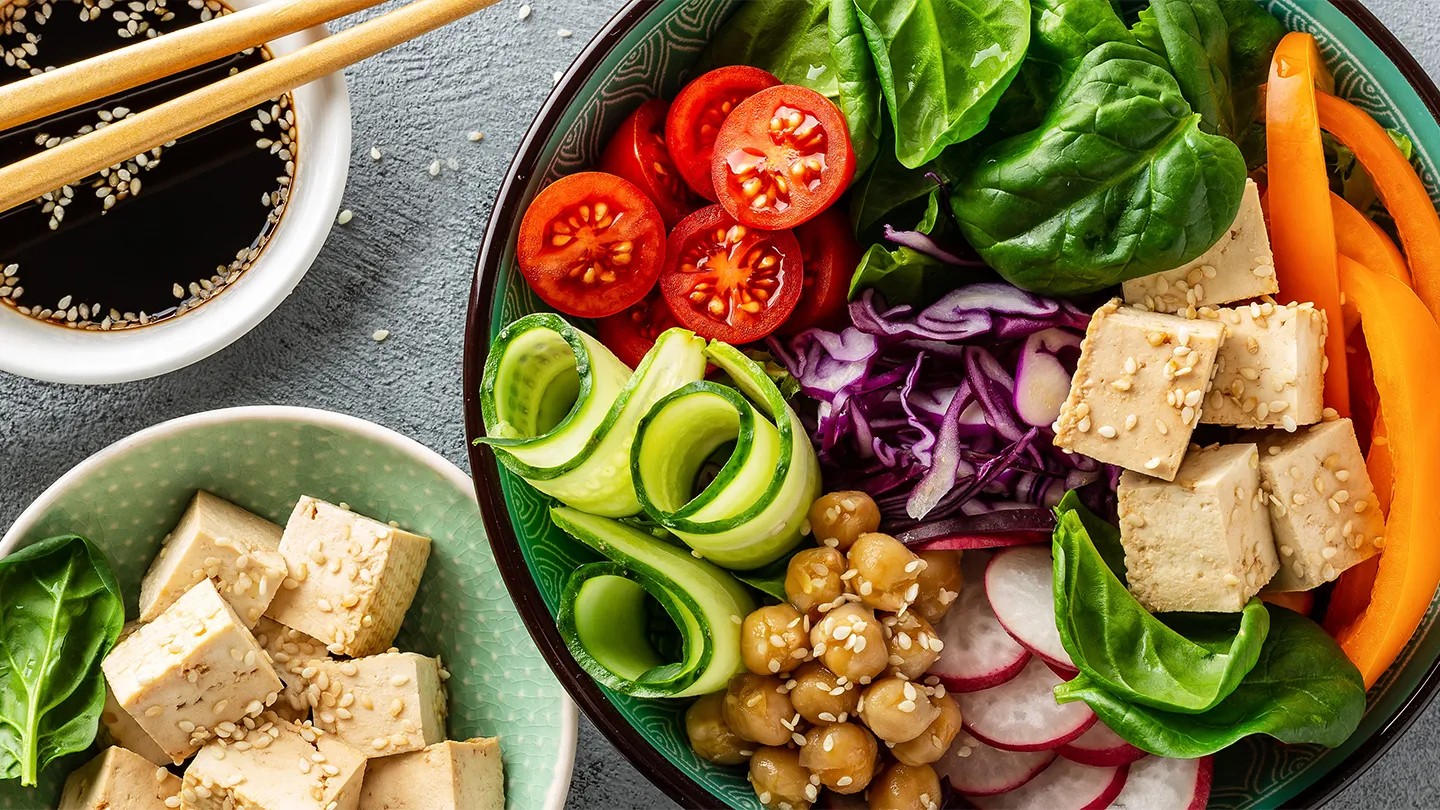
Veganism, the practice of abstaining from all animal products, has gained significant traction in recent years. Currently, around 1% of Americans identify as vegan, while 4% follow a vegetarian lifestyle. This shift reflects growing awareness of the health, ethical, and environmental implications of dietary choices. But what does it truly mean to go vegan, and is it a sustainable or even healthy option for everyone?
What is Veganism?
At its core, veganism extends beyond simply avoiding meat. It’s a lifestyle that excludes all animal-derived ingredients, including dairy, eggs, honey, and even gelatin found in some processed foods. The motivations behind adopting a vegan diet are varied. Some are driven by health concerns, seeking to reduce their intake of saturated fats and cholesterol. Others are motivated by ethical considerations, opposing animal exploitation in food production. Finally, many are drawn to the environmental benefits of plant-based eating, as animal agriculture is a significant contributor to greenhouse gas emissions.
Types of Vegan Diets: Beyond the Basics
While the standard vegan diet is already restrictive, several subcategories take it even further:
- Raw Vegan: This approach limits food to uncooked items, often relying on dehydrated or sprouted foods to maximize caloric intake.
- Raw Till 4: A variation where raw foods are consumed until 4 PM, with cooked meals allowed afterward.
- High Carb, Low Fat (HCLF): Emphasizes carbohydrates from fruits, grains, and vegetables while minimizing fats from nuts, seeds, and oils.
- 80/10/10: A strict raw HCLF diet where 80% of calories come from carbohydrates, 10% from protein, and 10% from fat.
These highly restrictive diets require meticulous planning to avoid nutrient deficiencies. While some proponents claim superior health benefits, the scientific evidence remains limited.
Navigating a Vegan Lifestyle: Practical Considerations
Transitioning to a vegan diet requires more than just removing animal products. Many processed foods contain hidden animal ingredients, such as gelatin in candies or casein in some bread. Reading labels carefully is crucial.
For some, veganism extends beyond food to encompass all aspects of life, avoiding leather, fur, animal-tested cosmetics, and even medications with animal-derived components.
Vegan-Friendly Foods: What to Eat and What to Avoid
Foods to prioritize:
- Fruits
- Vegetables
- Legumes (lentils, chickpeas)
- Grains (quinoa, rice)
- Nuts and seeds
- Plant-based milk (almond, coconut)
- Tofu, tempeh, seitan
Foods to eliminate:
- All meat and poultry
- Seafood
- Dairy (milk, cheese, butter)
- Eggs
- Honey
- Foods with hidden animal ingredients (gelatin, lard)
Health Benefits and Potential Drawbacks
Studies suggest a well-planned vegan diet can lower the risk of obesity, type 2 diabetes, heart disease, and certain cancers. Plant-based foods are rich in fiber, antioxidants, and essential nutrients.
However, veganism also carries potential risks. Plant-based iron (non-heme iron) is less readily absorbed than animal-based iron. Vitamin B12, zinc, and omega-3 fatty acids are also commonly deficient in vegan diets, often requiring supplementation.
Overcoming Challenges and Making Veganism Sustainable
Social pressure and limited dining options can make sticking to a vegan diet difficult. Using apps like HappyCow or Yelp to find vegan restaurants can help. Cooking at home is often more affordable and ensures control over ingredients.
Featured Recipe: Mediterranean Lentil Tacos
These tacos provide a plant-based protein alternative using lentils, roasted red peppers, and a refreshing cucumber yogurt sauce. They serve as an example of how vegan meals can be flavorful and satisfying.
The Bottom Line
The vegan diet is a lifestyle choice with potential health benefits, but it demands careful planning to avoid nutritional deficiencies. It requires commitment, research, and sometimes supplementation. Whether it’s right for you depends on your individual needs, ethics, and willingness to adapt.